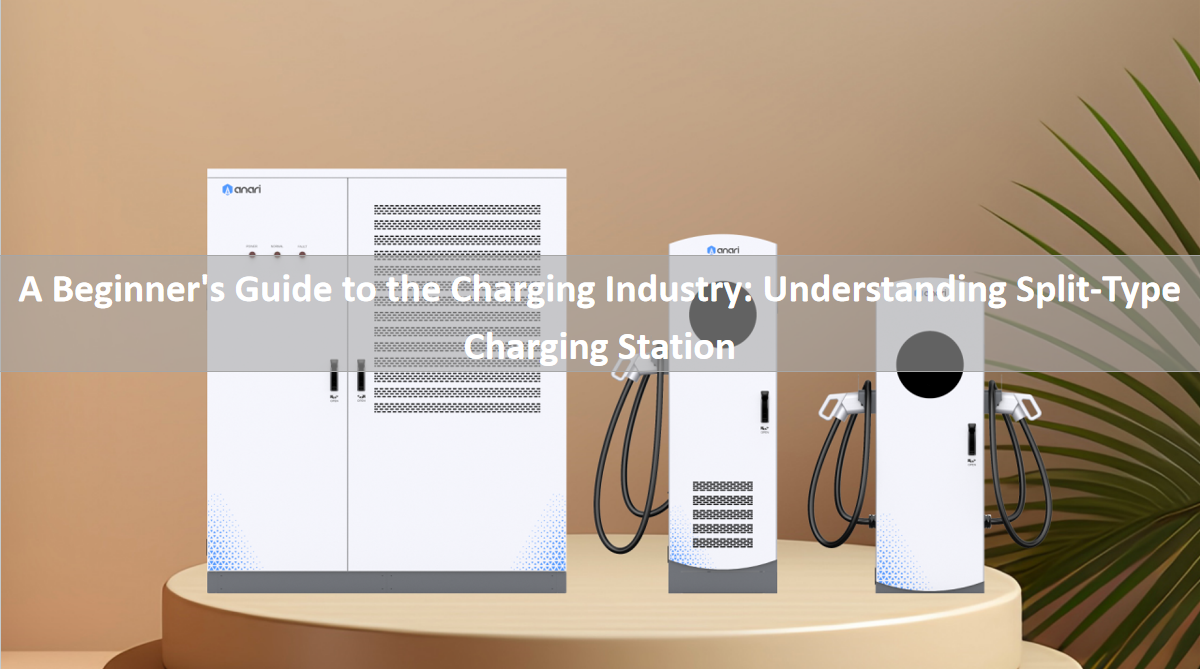
Split-type charging systems, characterized by a centralized power unit feeding multiple dispensers, represent the optimal solution for high-demand charging sites due to superior power utilization, scalability, and lower operational costs. This architecture's core advantage is dynamic power allocation—intelligently distributing available capacity among connected vehicles to maximize efficiency.
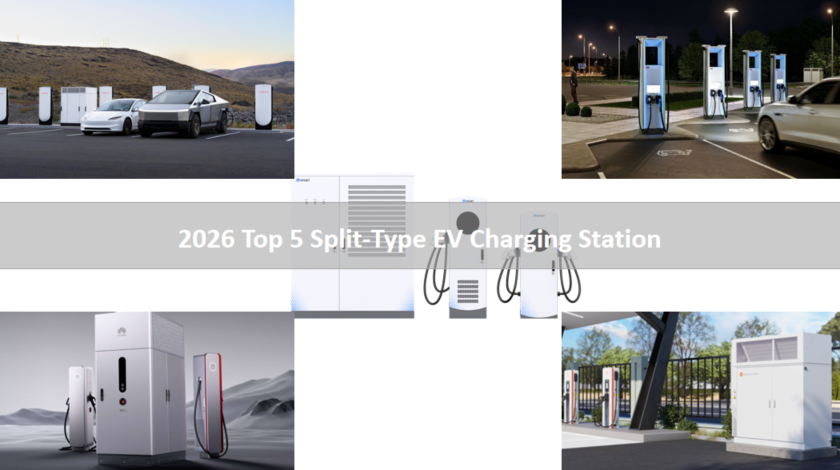
Leading global solutions excel in different niches. Tesla's Supercharger V4 network sets the benchmark for seamless, high-uptime public charging. Huawei Fusion Charge leads in digital grid interaction and AI-driven management. Anari Energy's Fora DC Series offers exceptional modularity and layout flexibility. ABB Terra HP provides rugged, high-power reliability for demanding commercial use. Star Charge's Skyscraper Series delivers exceptional cost-effectiveness for large-scale deployments.
Selecting the optimal system requires analyzing the Total Cost of Ownership (TCO), not just initial price. Key decision factors include specific site needs (e.g., fleet depot vs. highway station), required power levels, compatibility with local grid standards, and the robustness of the supplier's software and service network. Ultimately, the "best" system is the one that most precisely aligns with the operator's technical requirements, financial model, and long-term strategic goals for reliability and expansion.
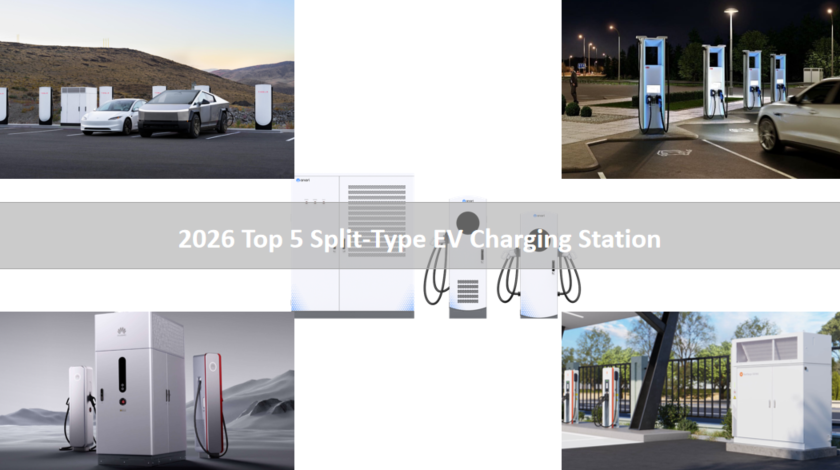
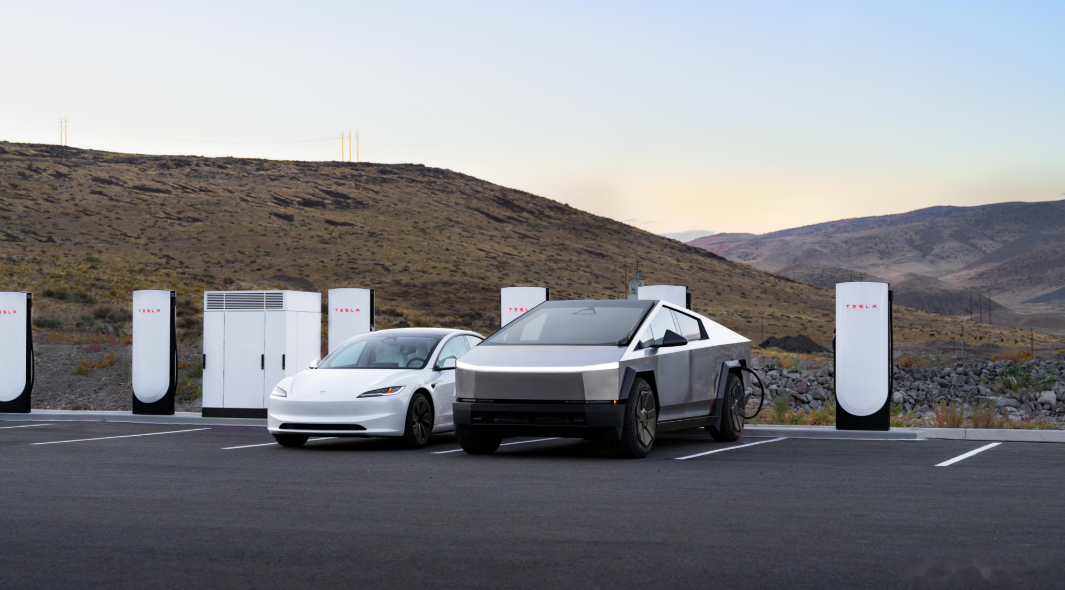
1. Tesla Supercharger V4 (The Integrated Ecosystem Leader)
- Core Model: Megapack-powered Supercharger stations.
- Why It's Top-Tier: Tesla's system is the most mature, large-scale implementation of a centralized power backbone paired with multiple dispensers. It features seamless dynamic power allocation based on vehicle state of charge (SOC) and station load. Its deep integration with vehicle BMS ensures optimal charging curves, reliability, and a superior user experience. The recent V4 cabinet supports higher power outputs for future vehicles.
- Best For: High-volume public charging networks and fleet operators within the Tesla ecosystem seeking proven reliability and performance.
- Value Proposition: While not the cheapest, its industry-leading uptime and charging efficiency translate to high revenue potential per site and low lifetime operational costs.
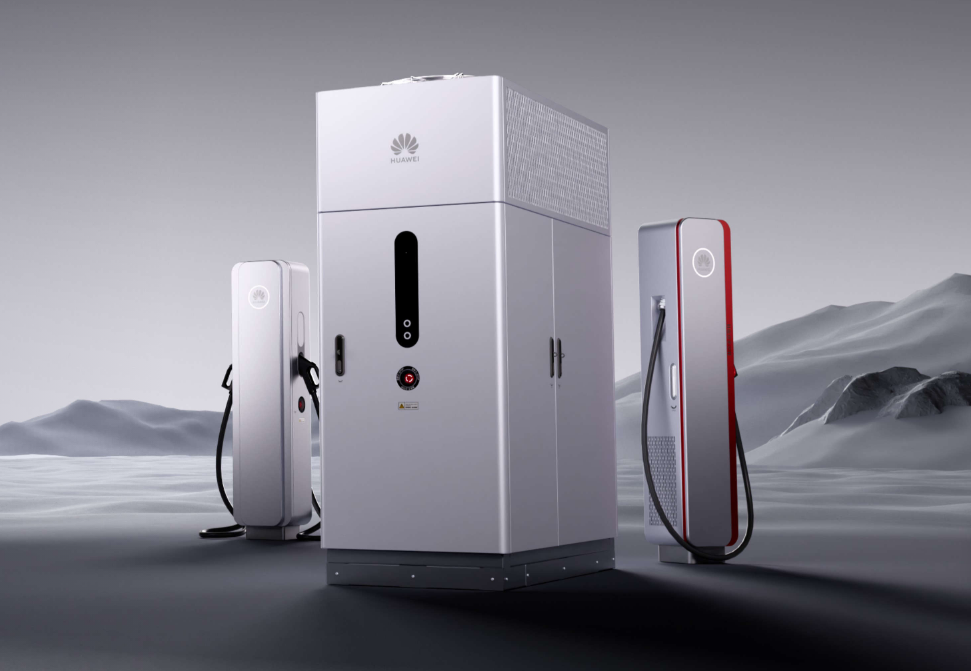
2. Huawei FusionCharge (The Digital & Grid-Interactive Pioneer)
- Core Model: FusionCharge 600kW/720kW Centralized Power Unit + DC Terminal.
- Why It's Top-Tier: Huawei leverages its expertise in power electronics and digitalization. Its systems feature extremely high power density and efficiency (>96%). The real strength lies in its AI-powered power pooling and advanced grid interaction capabilities, including precise load balancing and V2G readiness. Its cloud-based management platform offers superior monitoring and diagnostics.
- For Whom: Site operators and utilities looking for a future-proof, smart grid-integrated solution, especially in regions with unstable grids or high electricity costs.
- Value Proposition: Offers excellent long-term TCO through energy savings, intelligent peak shaving, and minimal maintenance due to high component quality and predictive analytics.
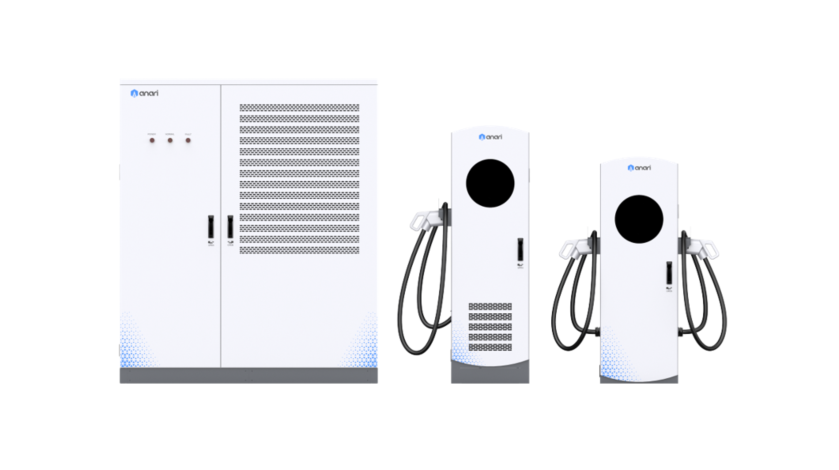
3. Anari Energy's Fora DC Series (The Flexible & Modular Specialist)
- Core Model: Fora DC Series
- Why It's Top-Tier: Anari Energy is renowned for its ultra-flexible and modular approach. Each "Satellite" charger adopts liquid-cooled or air-cooled design for customers to choose flexibly, and provides different currents, with 600A for liquid cooling and 250A for air cooling., and power is dynamically allocated from the central "C-Station." The system is incredibly scalable and adaptable to complex site layouts.
- Best For: Urban charging hubs, fleets with mixed vehicle types, and sites requiring a tailored layout where dispensers need to be placed far from the power source.
- Value Proposition: High operational flexibility and scalability reduce initial planning complexity and allow for easy future expansion, protecting the investment.
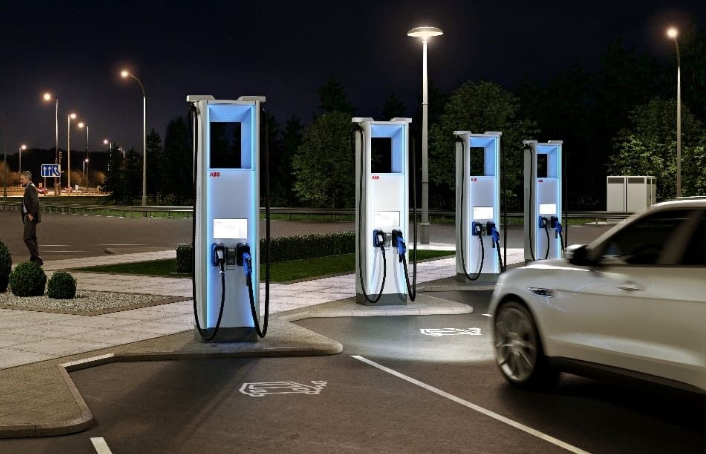
4. ABB Terra HP (The High-Power & Ruggedness Benchmark)
- Core Model: Terra HP Power Module + Dispensers.
- Why It's Top-Tier: ABB, a global industrial giant, offers robust and reliable centralized systems built for high-power continuous operation. They are engineered for durability in harsh environments and feature advanced cooling systems. ABB's global service network provides a significant advantage for large-scale, cross-border operators.
- Ideal For: Highway corridors, heavy-duty electric truck/bus charging, and demanding commercial applications where maximum uptime and robustness are critical.
- Value Proposition: Lower risk and high reliability from a trusted industrial brand. The modular design ensures serviceability and long operational life, minimizing unexpected downtime costs.
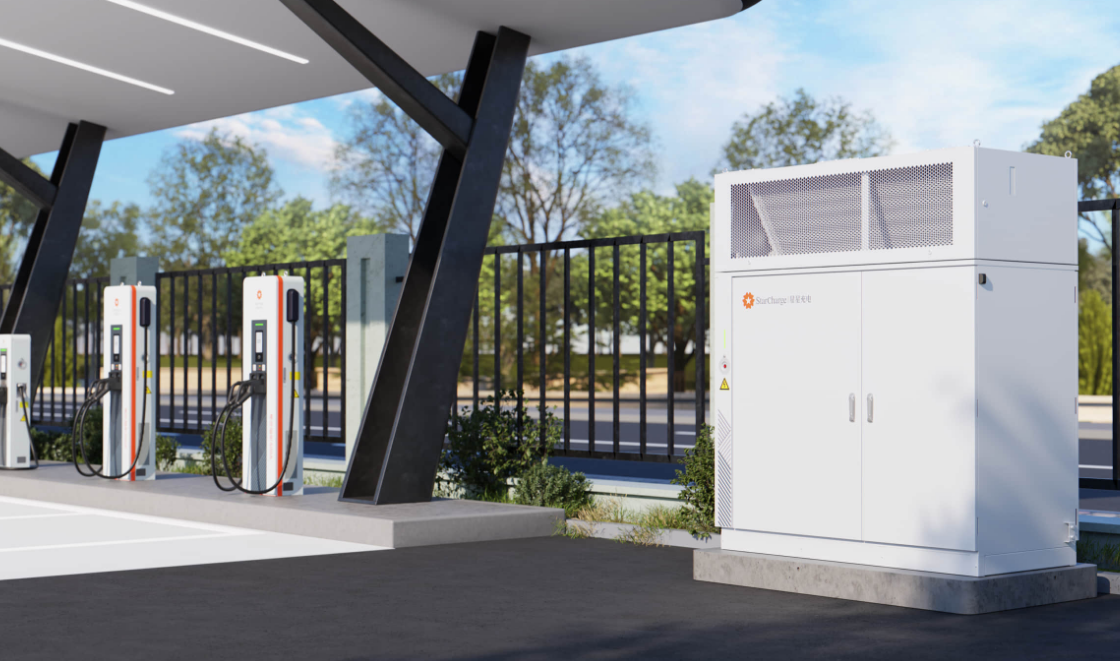
5. Star Charge Skyscraper Series (The High Value-for-Money Contender)
- Core Model: Skyscraper Centralized DC System.
- Why It's a Top Contender: As one of the world's largest EV charging providers, Star Charge offers cost-effective split-type solutions that have been mass-deployed across China. The Skyscraper series provides strong performance (e.g., 480kW power cabinets) with essential features like power sharing at a very competitive price point. It represents a balance of core functionality and affordability.
- Best For: High-volume fleet depots (e-buses, logistics), public charging stations in cost-sensitive markets, and operators seeking a practical, no-frills split-type solution with strong local support in Asia and expanding regions.
- Value Proposition: Arguably the best initial cost-to-performance ratio, enabling the deployment of split-type architecture's benefits (like power pooling) at a lower capital expenditure threshold.



















.png)

