With the continuous increase in the global popularity of electric vehicles, the operational quality of charging infrastructure has become a key factor affecting user choice, brand loyalty, and the healthy development of the industry. Based on in-depth user feedback and industry best practices, this article systematically sorts out 20 core improvement suggestions for charging station operators, aiming to improve service quality, enhance Customer Satisfaction Score, and build sustainable competitive advantages.
1. Site Planning and Infrastructure
1.1 Scalability and Accessibility Layout
When constructing or expanding a charging station, it should be ensured that the number of charging parking spaces meets the regional demand (it is recommended that medium-sized stations be equipped with at least 10-15 parking spaces, and large transportation hubs require more than 50), and priority should be given to locations on main roads or commercial areas with convenient transportation and heavy traffic flow, avoiding hidden alleys. The station should be equipped with prominent, multilingual guiding signs, and the parking space status should be synchronized in real-time with mainstream navigation platforms.
1.2 Professionalized station design
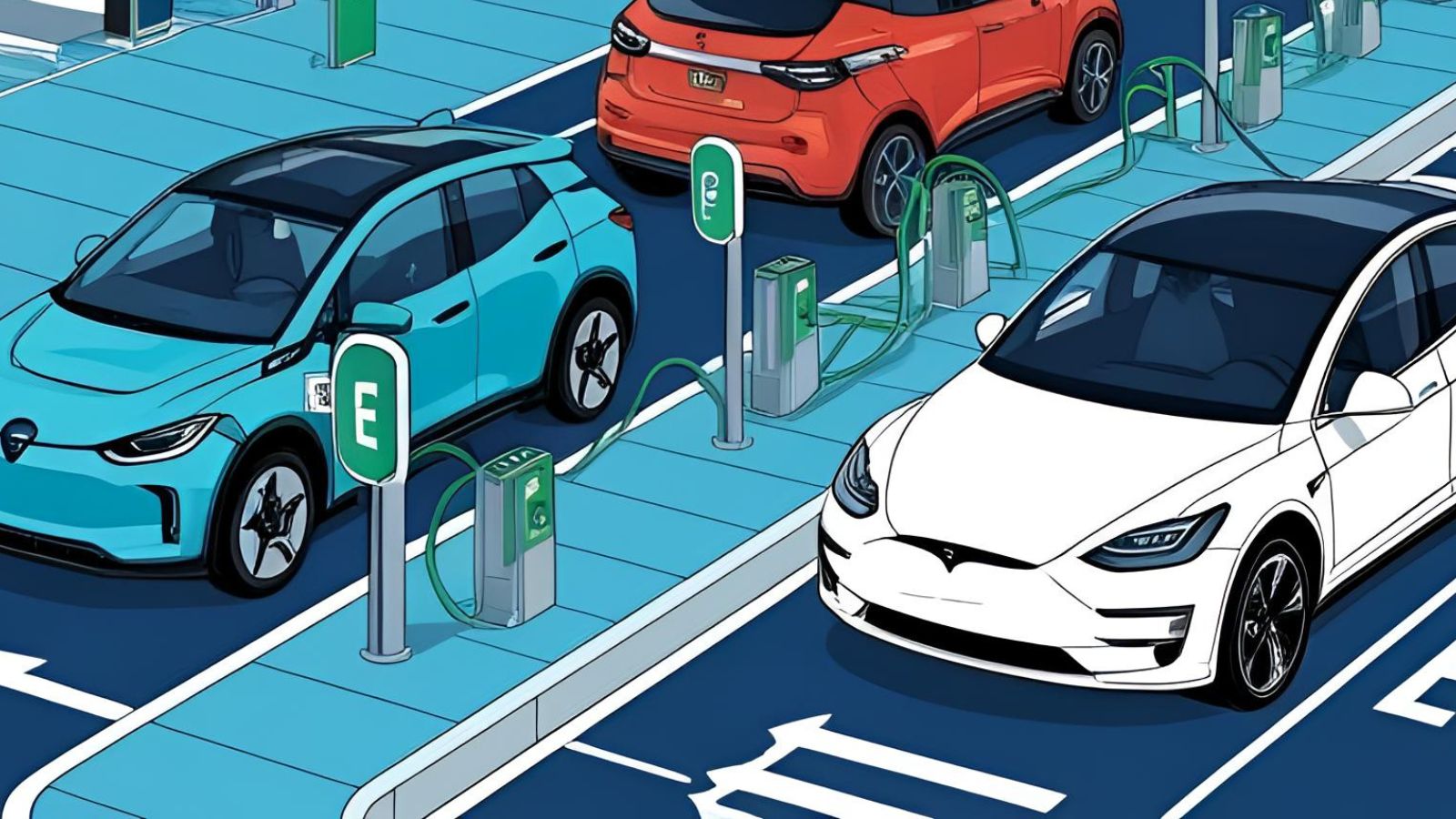
Implement dedicated electric parking space management, using intelligent ground locks or monitoring systems to prevent fuel vehicles from occupying the space. The parking space layout should be reasonable and spacious to ensure smooth entry and exit of vehicles. The ground should be flat and hardened, the environment should be kept clean, and a professional and safe charging environment should be created.
1.3 All-weather charging facilities
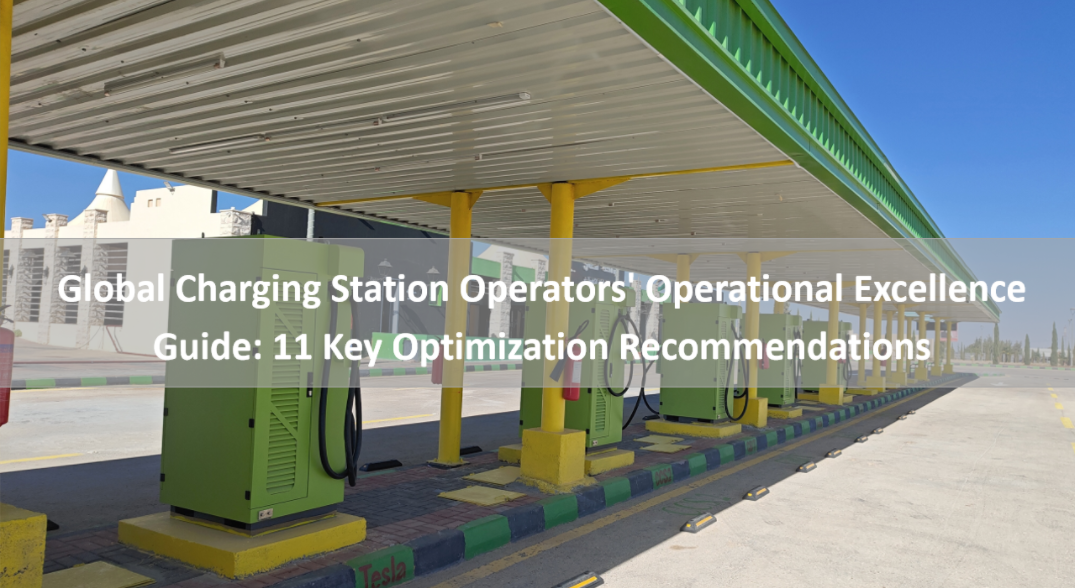
All charging stations should be equipped with rain and sun protection sheds to ensure safe charging under various weather conditions. The equipment power should keep up with technological development (currently recommended DC fast charging station power should not be less than 150kW), and hardware upgrades should be carried out regularly to shorten user charging time.
2. User Experience and Service Package
2.1 Comfortable waiting space
A user lounge will be established, equipped with air conditioning, free Wi-Fi, drinking water, comfortable seating, and clean restrooms. Retail machines, televisions, or reading areas may be added as appropriate, and contactless services are encouraged. The space must be kept clean, smoking is clearly prohibited, and regular maintenance is required.
2.2 Value-added Service Integration
Explore cooperation with surrounding merchants to provide catering services, or introduce self-service food vending machines. Provide free or paid car wash service options, and cooperation with local car wash enterprises is also acceptable. Consider implementing charging + service packages to enhance the value of user stay.
2.3 Intelligent service support
Develop or optimize cross-platform applications to support direct startup of charging on mainstream maps, payment, and in-vehicle systems. Ensure that mini-programs/APPs are stable and user-friendly, and reduce the complexity of registration. Provide on-site specialists or remote customer service to assist with handling charging anomalies, vehicle relocation on behalf of users, etc., with the response time preferably controlled within 15 minutes.
3. Operation, Maintenance, and Technical Support
3.1 High reliability operation and maintenance
Establish a preventive maintenance system and a rapid response mechanism to ensure that the equipment availability rate is higher than 95%. Faulty charging stations should be reported for repair within 24 hours and repaired within 48 hours. Regularly update the charging station software to ensure compatibility and safety.
3.2 Transparentize fees and parking policies
Free parking during charging period (can be automatically deducted through charging records), supports automatic recognition of pole lifting and diversified payments (including RF cards, ETC, contactless payments, etc.). The fee structure should be clear and transparent to avoid hidden costs.
4. Business Strategy and Customer Relationships
4.1 Flexible Promotions and User Incentives
Regularly conduct promotional activities, such as point redemption, discount coupons, charging packages, referral rewards, etc. Maintain interaction through user communities (such as social media groups), grant exclusive rights and interests to loyal users, and build a brand community.
4.2 Network expansion and brand trust
Accelerate network layout to form a coverage network in major cities and transportation corridors, thereby enhancing user confidence. For emerging operators, they can prioritize ensuring the ultimate single-station experience and actively join cross-operator charging platforms to share traffic and enhance visibility.
4.3 Localization adaptation and inclusive design
When operating in non-China regions, it is necessary to adapt to local charging standards (such as CCS, CHAdeMO, Type 2, etc.), respect local user habits. Facilities should consider barrier-free design, provide multilingual interface support, and comply with local safety and environmental protection regulations.
5. Conclusion
Charging station operation has shifted from the era of "quantity competition" to the era of "quality competition". Operators need to be user-centric and systematically improve site planning, facility quality, service experience, and operational efficiency to establish long-term competitiveness in the global market. It is recommended that industry peers regularly conduct user research, benchmark against industry best practices, continuously iterate services, and jointly promote the maturity and development of the electric vehicle ecosystem.



















.png)

