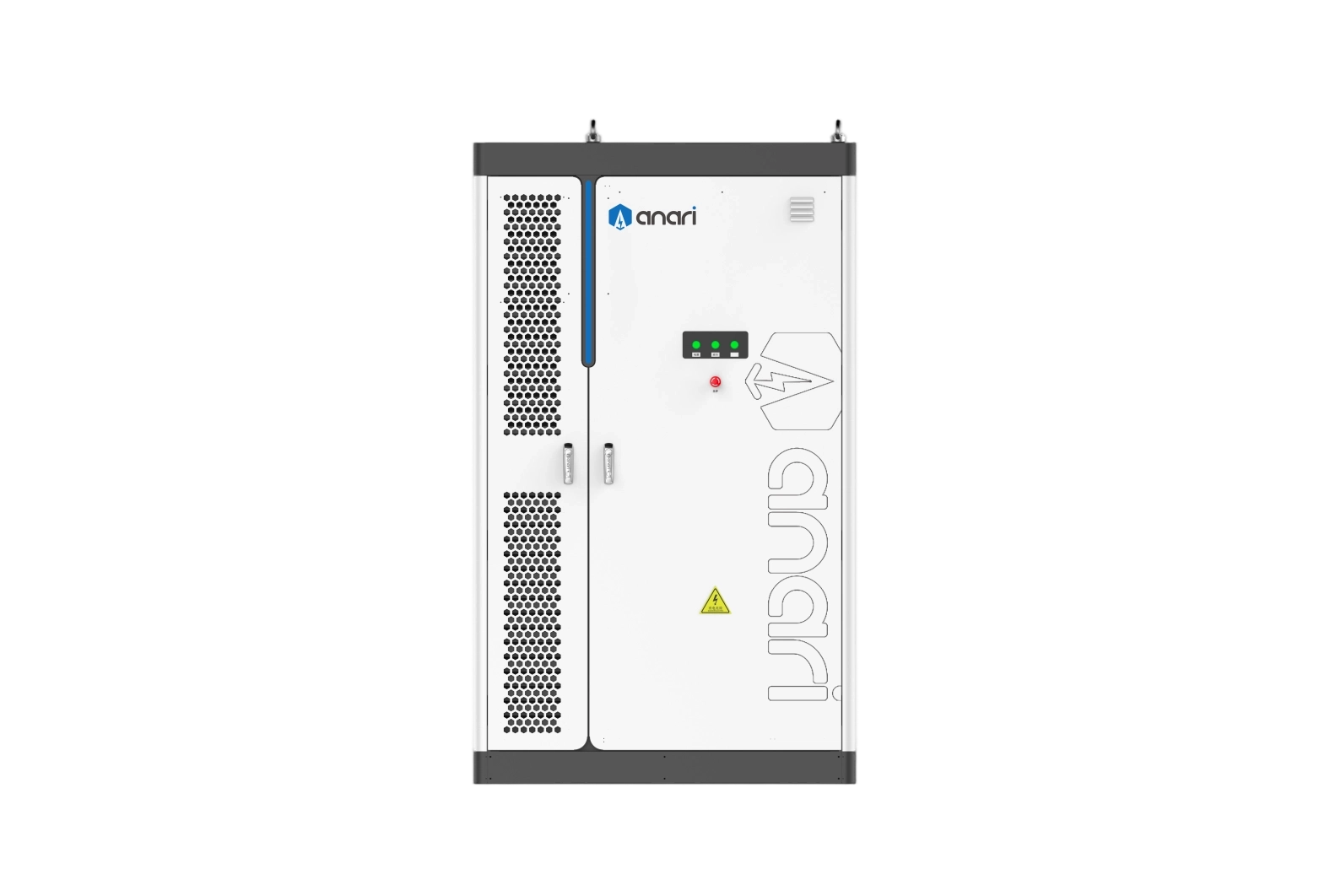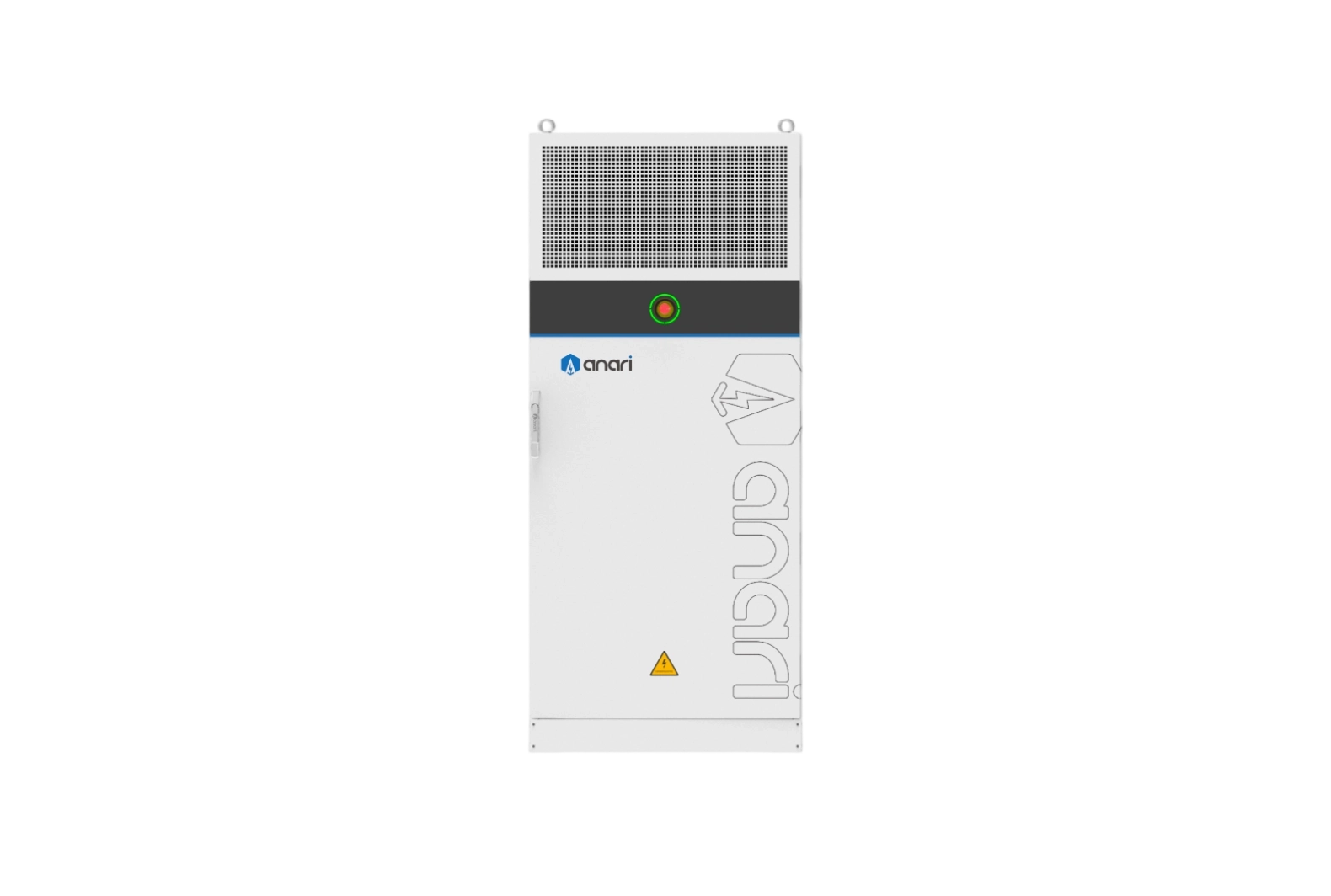



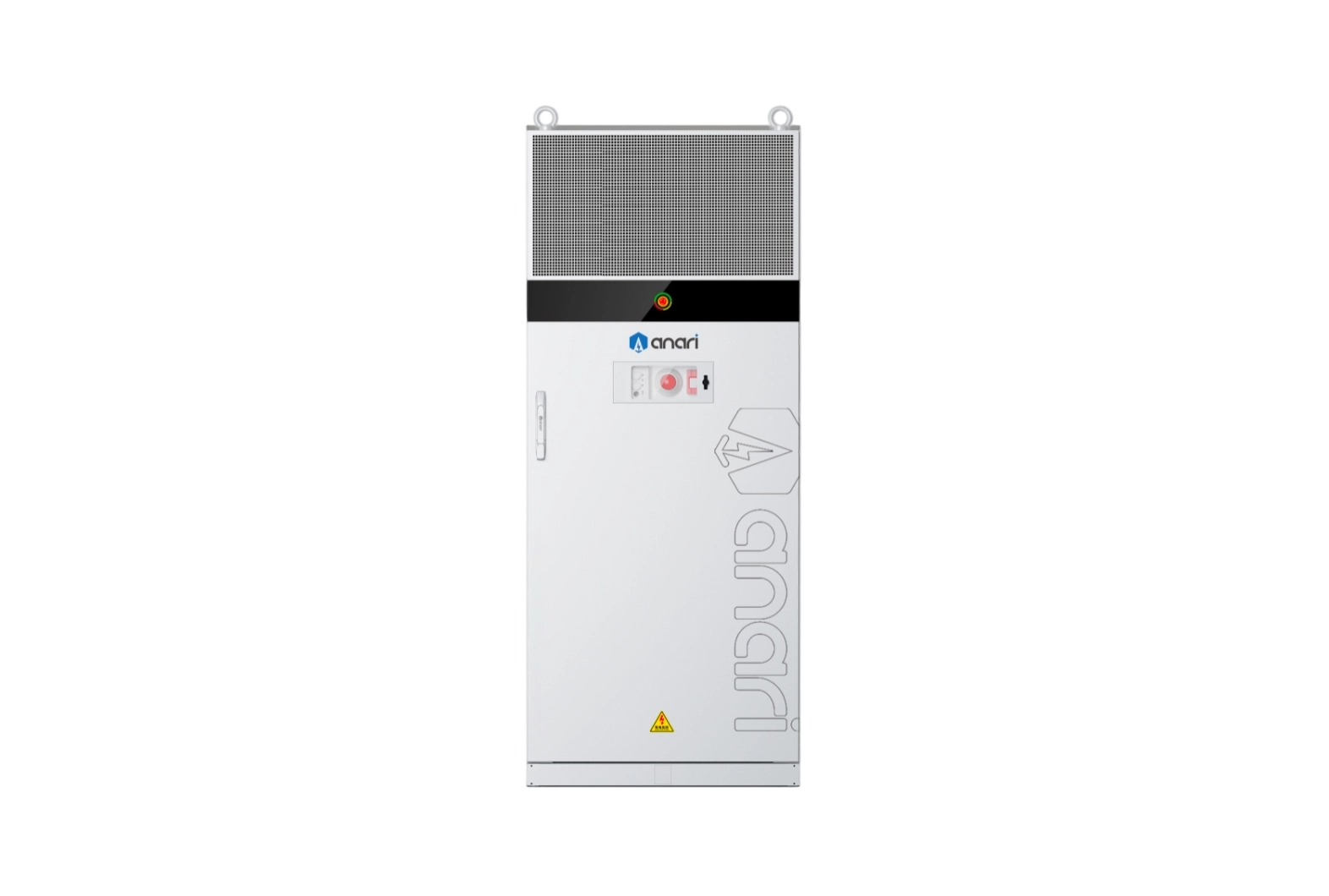
261kWh Liquid-cooled Energy Storage Cabinet
- 261kWh
- IP55
- GB/T
Product Features
-
Safe and Worry-Free
Battery module-level fire protection; Cabinet partition safety isolation; AI health management; 3S control and protection integration -
Cost-Effective
Storage depth 100%; AC-side conversion efficiency >90%; Flexible deployment; Elastic expansion -
Grid-Friendly
Weak connection support; Three-phase imbalance management; Efficient AGC/AVC scheduling; Grid-connected/isolated mode switching -
Intelligent Operation and Maintenance
BCS comprehensive and all-round monitoring; Modular design improves operation and maintenance efficiency; Cloud analysis significantly reduces operation and maintenance costs
Product Description
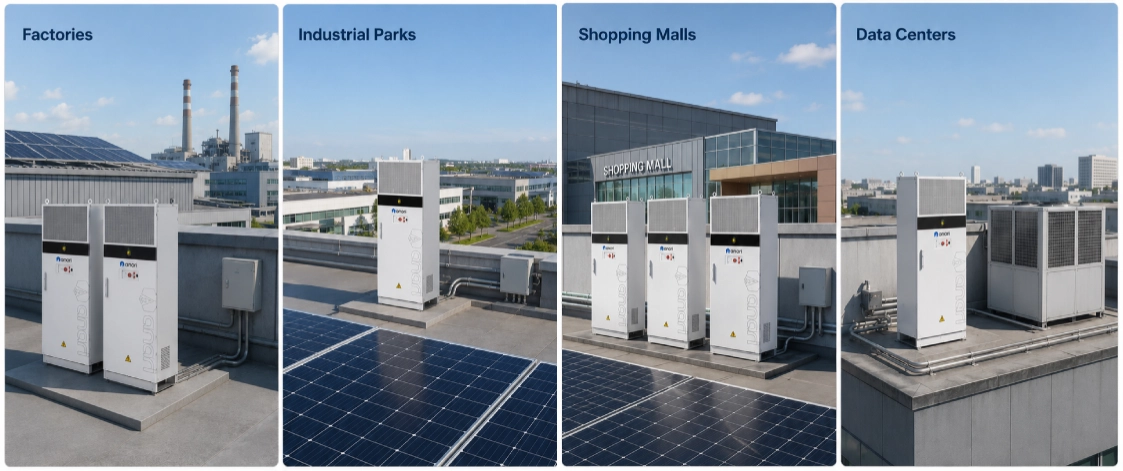
The 261kWh Liquid-cooled Energy Storage Cabinet, adopting modular design, it highly integrates systems such as battery PACK, battery management, AC/DC conversion, thermal management, fire protection, and intelligent control to form an integrated energy storage solution. It has advantages such as high energy density, small footprint, high system efficiency, and multiple safety protections. It does not require foundation excavation, significantly reducing construction costs, and can be quickly deployed and operated stably. It is widely used in various scenarios such as peak shaving and valley filling for industry and commerce, virtual power plants, backup power supplies, and three-phase unbalance management.

Specifications
| SYSTEM DATA | Maximum System Efficiency | ≥90% |
| Charge-discharge Rate | ≤0.5P | |
| Operating Temperature | -35℃~55℃ | |
| Depth of Discharge | 100%DOD | |
| Installation Position | Outdoor | |
| Access Method | Grid-Connected/Grid-Connected and Off-Grid | |
| Noise | ≤70dB | |
| Maximum Number of Cycles | ≥10000 | |
| Altitude | ≤2000m | |
| Charge-Discharge Switching Time | <50ms | |
| Communication Interface | LAN | |
| Fire Protection System | Perfluorohexanone + Cluster-Level Water Fire Protection Interface + Active Early Warning | |
| System Protection Level (battery compartment) | IP55 | |
| Operating Humidity | 0%RH ~ 95%RH (No condensation) | |
| Thermal Management Methods | Liquid Cooling | |
| Communication Protocol | Modbus \ IEC 104 \ IEC 61850 \ MQTT | |
| Certification | GB/T 36276-2023、GB/T 34120-2023, GB/T 34131-2023 | |
| AC TERMINAL DATA | AC Rated Power | 131kW |
| Rated Voltage Range | 400V(-15%~10%) | |
| Power Factor | -1~1 | |
| AC Current Distortion Rrate | <3% | |
| Rated Grid Frequency | 50Hz | |
| Grid Type | TN 400V | |
| DC TERMINAL DATA | Battery Cell Type | LFP 3.2V/314Ah |
| Battery Grouping Method | 260S1P | |
| Battery Capacity | 261kWh | |
| Battery Voltage Range | 728~936V | |
| Number of Temperature Detections | 155 | |
| DC Protection | Contactor+FUSE | |
| MECHANICAL PARAMETER | Dimensions (L*W*H) | 1000*1350*2400 mm |
| Total Weight(Kg) | ≤2800 | |
| Installation Method | Floor Installation |
Application Scenarios
FAQ
-

Q: What is the ARK-E 261, and what are its primary applications?
A: The ARK-E 261 is a distributed energy storage system (ESS) purpose-built for commercial and industrial (C&I) applications, particularly suited for space-constrained scenarios such as factories, shopping malls, and office buildings. It is designed to address key C&I energy challenges, including peak shaving and valley filling, virtual power plant (VPP) participation, and "zero capacity expansion" renovations—enabling facilities to add energy capacity without upgrading utility infrastructure. The system also supports millisecond-level switching between grid-connected and islanded modes, providing uninterrupted power protection for critical loads in facilities such as factories and data centers. Additional applications include backup power provision and three-phase imbalance management.
-
Q: How does the ARK-E 261 ensure safety and thermal management?
A: The ARK-E 261 incorporates a comprehensive six-layer safety protection system providing multi-level defense against thermal runaway. The six layers include: smoke detection, embedded fire-fighting module, cell-level temperature sensing, fireproof insulation layer, pressure relief channel, and insulation monitoring. The system achieves zero-distance detection of cell thermal runaway with a fault response time ≤ 5 seconds.
Thermal management is handled by an integrated liquid cooling system for the battery, which reduces self-consumption by over 30% compared to air-cooled alternatives and enhances long-term reliability. The top of the cabinet is equipped with a burst valve to prevent ignition and explosion risks. Additionally, the DC-side non-parallel design eliminates circulating current losses between battery clusters. -
Q: Is the ARK-E 261 easy to deploy and scale?
A: Yes, the ARK-E 261 is explicitly designed for fast, flexible deployment. Key deployment advantages include:
- Modular design – The system uses a standardized modular architecture, with each energy block identical in appearance and style.
- Plug-and-play connectivity – Supports direct AC-side parallel connection without complex combiner equipment, enabling easy capacity expansion.
- Ultra-fast commissioning – Full system commissioning takes ≤ 1 hour.
- Outdoor-ready – With an IP55 protection rating (battery cabinet), the ARK-E 261 can be installed outdoors, eliminating the need for dedicated equipment shelters and reducing deployment costs.
- Simplified civil works – No foundation trench digging is required, significantly reducing site civil construction costs.
The modular design also reduces the risk of product failure and allows flexible capacity configuration tailored to specific project requirements. -
Q: What intelligent O&M and monitoring features does the ARK-E 261 offer?
A: The ARK-E 261 is equipped with an AI-powered cloud-based management platform that enables sophisticated operational intelligence:
- Cell-level real-time monitoring – Continuous tracking of each individual cell with AI-driven health assessment.
- Fast fault localization – Ability to locate problems within 30 seconds and provide early fault warnings.
- Millisecond-level unified dispatching – Supports efficient AGC/AVC (Automatic Generation Control/Automatic Voltage Control) dispatching for grid integration.
- Unattended operation – Enables intelligent unmanned O&M with remote active fire extinguishing capabilities.
- Comprehensive monitoring – The system monitors battery status, grid parameters, and operating environment, providing fault pre-warning, status monitoring, and maintenance reminders. -
Q: What are the operating temperature range and environmental adaptability?
A: The ARK-E 261 is engineered for operation across a wide range of environmental conditions:
- Operating temperature – -35°C to 55°C (with derating applied between 45°C and 55°C).
- Operating humidity – 0% RH to 95% RH (non-condensing).
- Altitude – Suitable for installations up to ≤ 2,000 meters above sea level.
- Protection rating – IP55 for the battery cabinet, ensuring dust and water ingress protection for outdoor deployment.
- Noise level – Maximum noise ≤ 80 dB, comparable to busy street-level ambient noise. Alternative sources indicate noise levels as low as < 70 dB.
Additionally, the liquid cooling system reduces self-consumption by over 30%, improving overall efficiency in varied operating environments. -
Q: What international certifications does the ARK-E 261 hold?
A: The eBlock-250 has obtained a comprehensive portfolio of international certifications, demonstrating strong compliance with global safety standards and grid-connection requirements:
Safety-IEC 62619, UN38.3, UL 9540A
Grid Compliance-VDE 4105, VDE 4110, CEI 0-16, CEI 0-21, EN 50549-1, EN 50549-2
EMC/General-IEC 62477, IEC 61000
Chinese-CQC, LVRT/HVRT
Of particular note, the ARK-E 261 has successfully achieved VDE 4110 certification — one of the most stringent technical codes for medium-voltage grid connection in Europe. This certification sets demanding requirements for dynamic response, voltage and frequency regulation, fault ride-through capability, reactive power management, and grid protection. The system has also passed the rigorous UL 9540A thermal runaway propagation test, verifying its ability to contain thermal runaway within a single cabinet without propagation to adjacent units.