



OCPP-Compatible: Your Stations, Your Rules
When you buy charging stations, you're not just buying hardware. You're making a 10-year operational commitment. The most expensive mistake a commercial operator can make is buying chargers that lock you into one vendor's software forever.
The Expensive Decision No One Warns You About
When you buy commercial EV chargers, you're not just buying hardware. You're making a 10-year operational commitment. The most expensive mistake? Buying chargers that lock you into one manufacturer's software — permanently.
Most established brands ship chargers with proprietary protocols. Their hardware only works with their own backend system. It feels fine in Year 1. But by Year 3, when your business has scaled and you need advanced features — dynamic pricing, multi-site analytics, demand response — and their platform can't deliver, you're stuck. The migration quote arrives: 40–60% of your original hardware investment to switch.
OCPP prevents this. It separates hardware ownership from software decisions. Today your Anari chargers talk to Driivz. In three years, if Ampeco offers a better platform, you switch — without replacing a single charger.
What OCPP Actually Is?
OCPP stands for Open Charge Point Protocol. Think of it as the USB standard for EV chargers — a universal language that lets any certified charger communicate with any certified management platform.
Without OCPP: Charger A only talks to Backend A. Charger B only talks to Backend B. Your network becomes a patchwork of incompatible systems, each with its own login, its own maintenance schedule, and its own vendor to negotiate with.
With OCPP: Every charger speaks the same language. One backend manages your entire network — regardless of which manufacturer built each individual station. You can add chargers from any OCPP-compliant supplier. You can switch your backend software at any time. The chargers stay. The decisions stay yours.
What Changes When Your Stations Speak OCPP
You control procurement, not your supplier. Expansion becomes a competitive process. When you need 10 more chargers, you're not forced back to the original manufacturer at their price — you request quotes from multiple OCPP-compliant vendors. Competition drives your cost down.
You reduce operational costs dramatically. OCPP enables remote diagnostics, remote firmware updates, and remote configuration changes. When a charger reports an error, your backend reads the fault code in real time. Roughly 80% of issues can be diagnosed and resolved without sending a technician to the site. Every avoided truck roll saves you hundreds of dollars.
You're ready for what comes next. OCPP 2.0.1 provides the protocol foundation for V2G (vehicle-to-grid) — bi-directional charging that lets your stations sell power back to the grid during peak demand. When V2G becomes commercially viable in 2027–2028, OCPP-native chargers upgrade over-the-air. Closed-protocol chargers get replaced.
Anari's OCPP Commitment
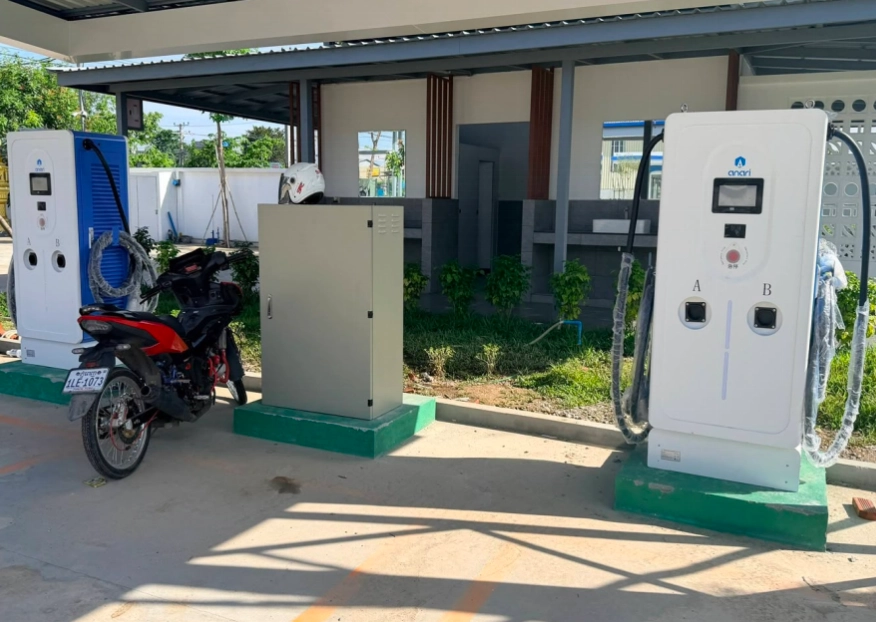
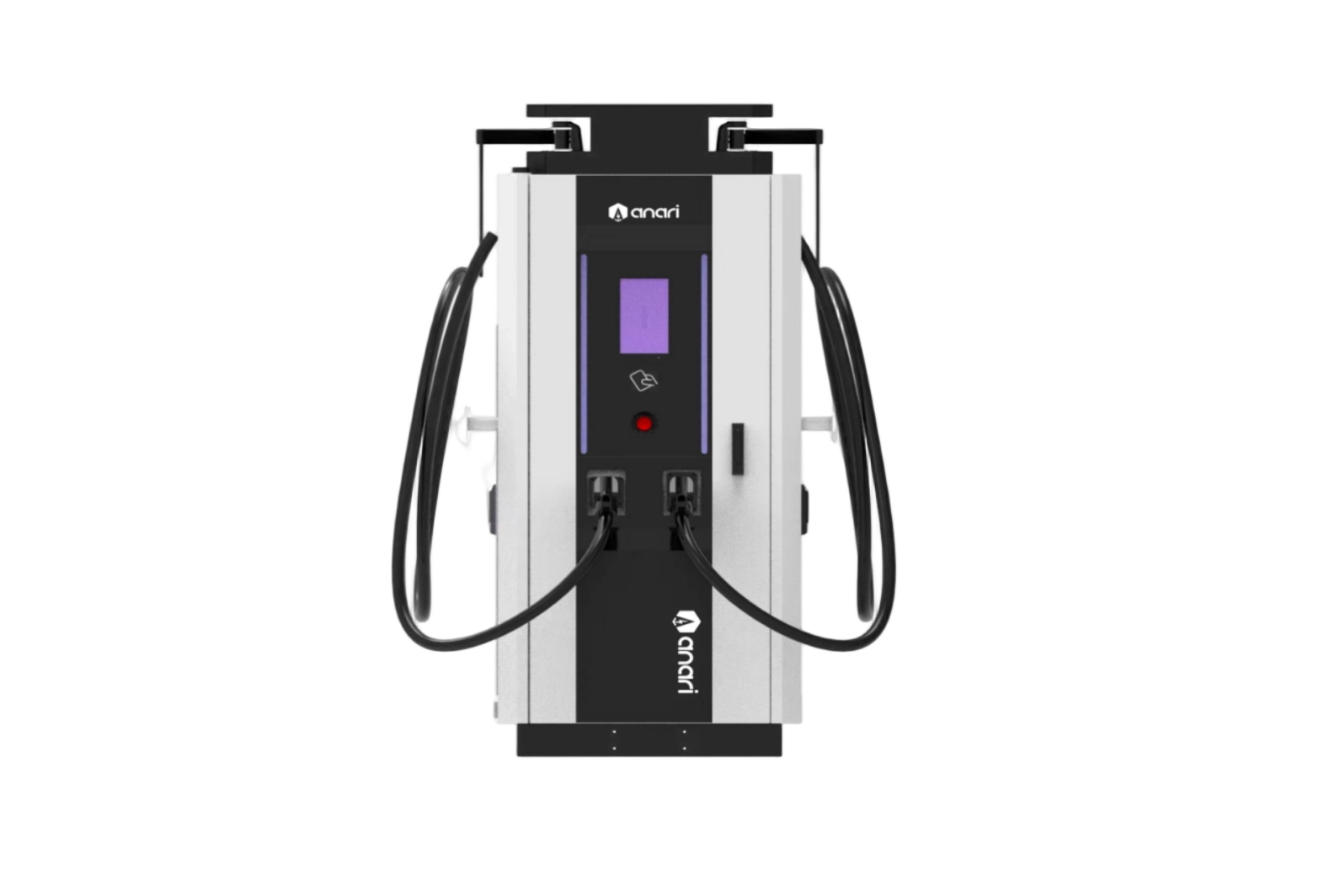
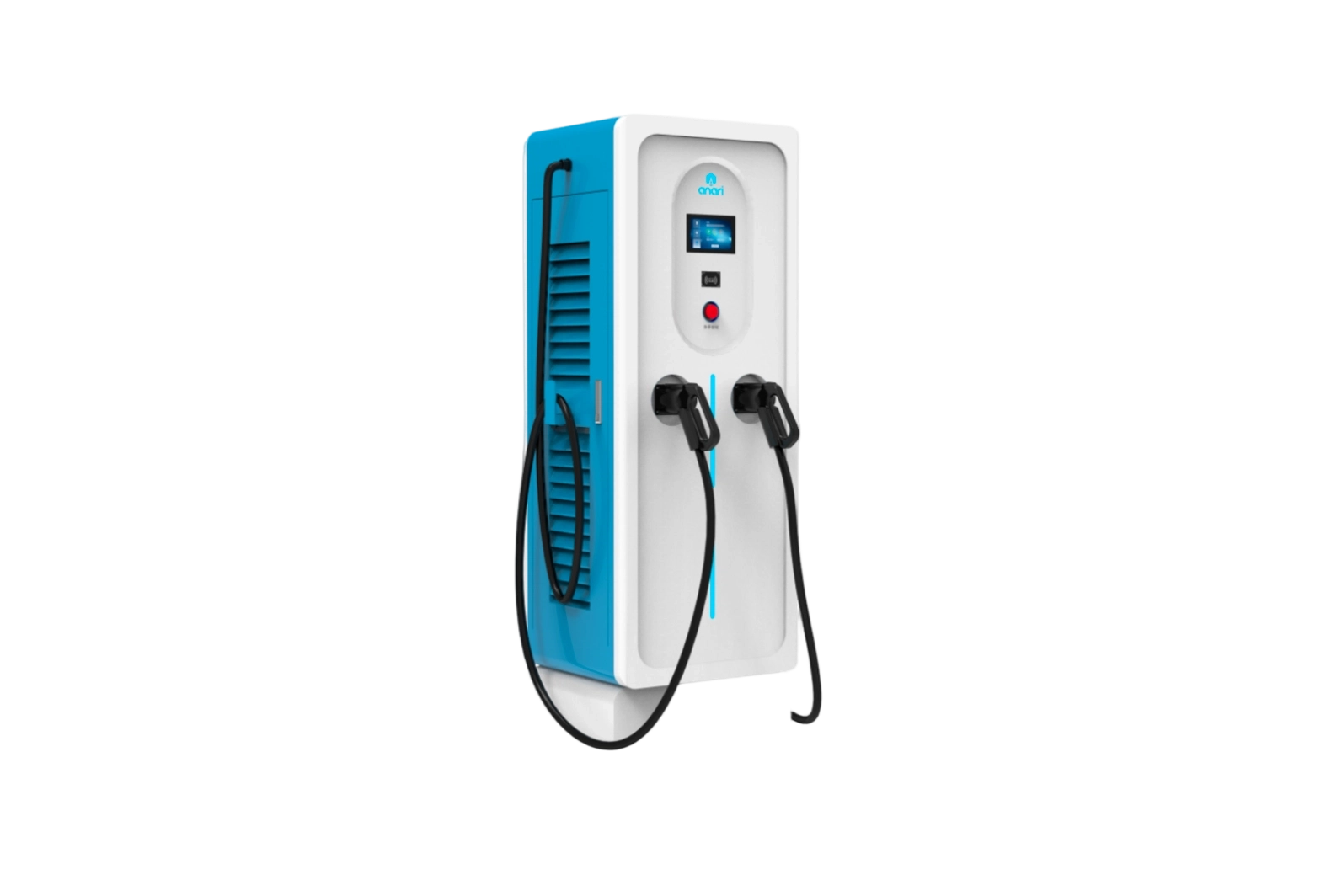
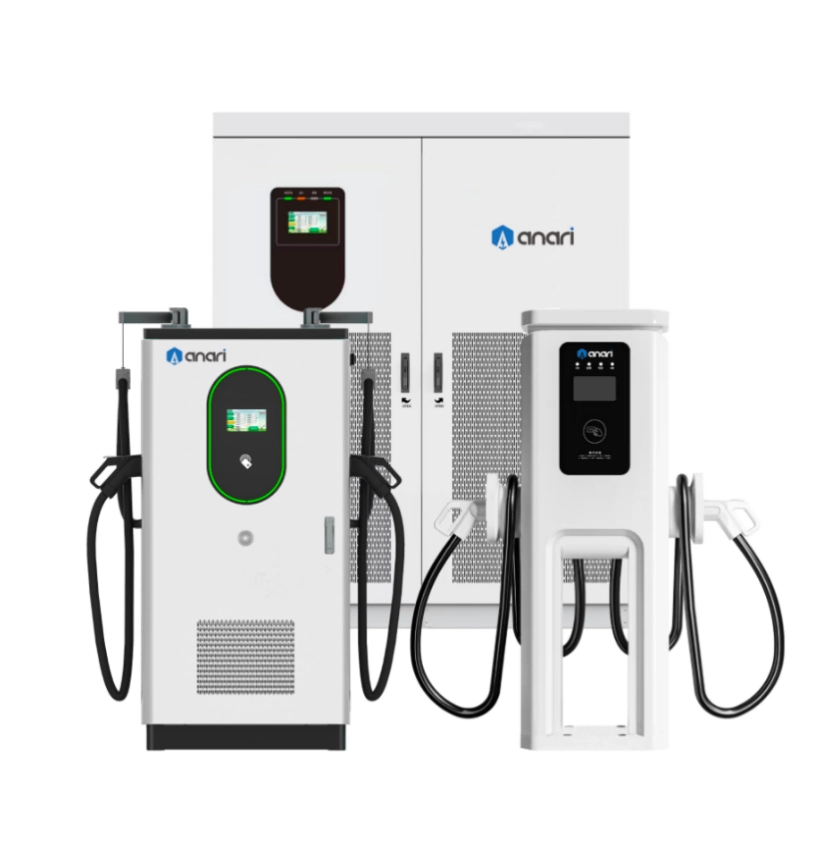
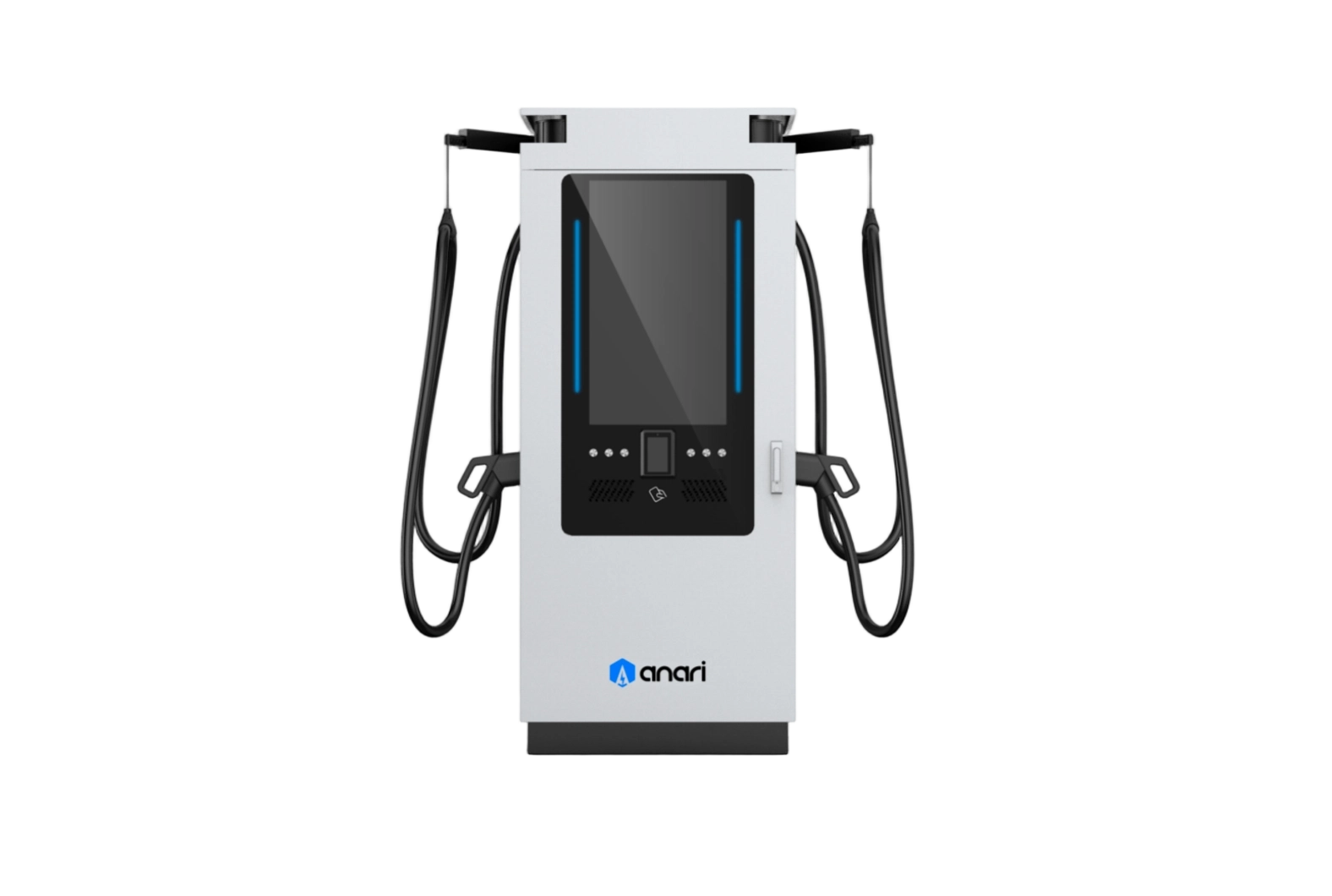
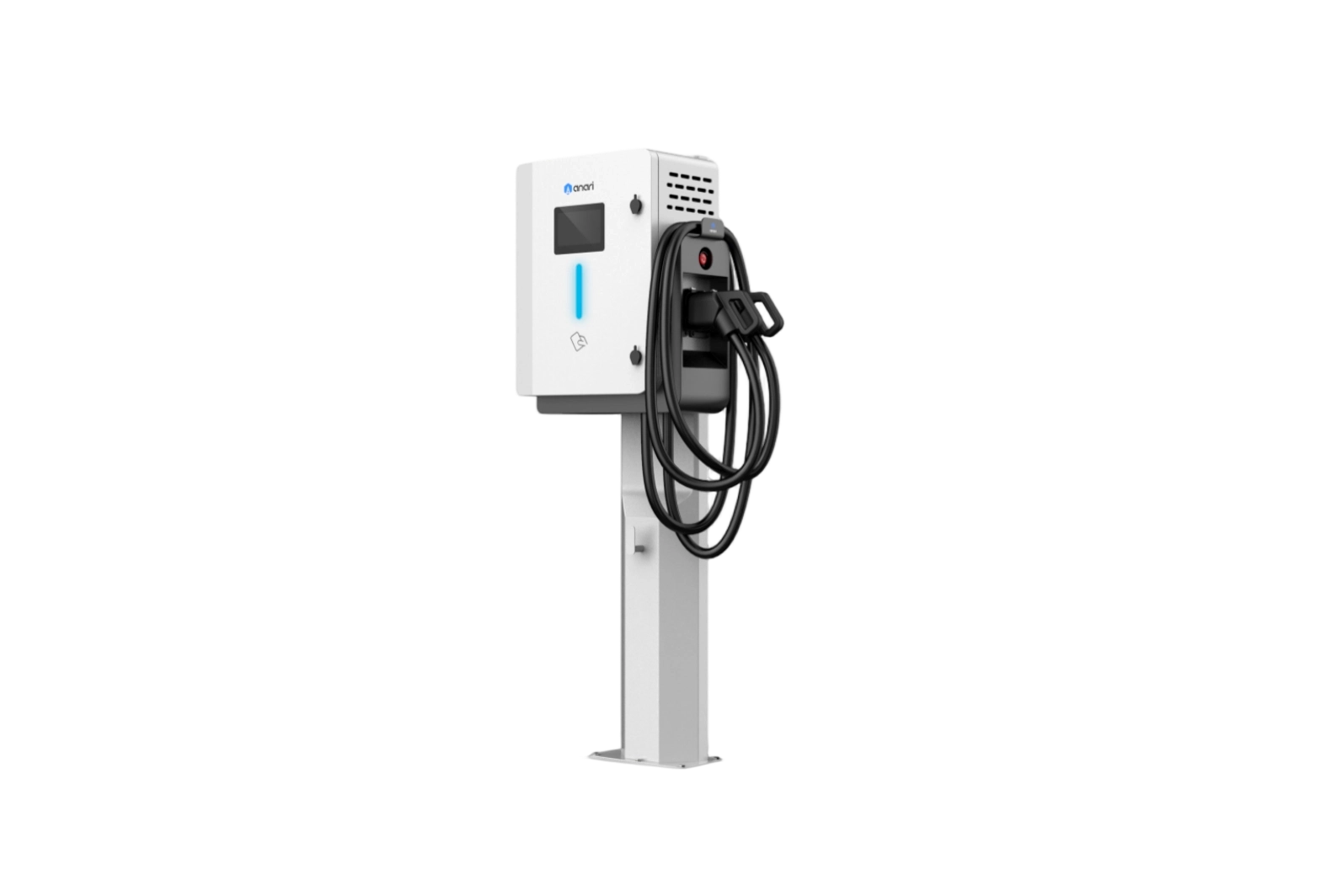
Every Anari DC charger ships with OCPP 1.6J and 2.0.1 natively pre-integrated. Not a retrofit. Not a translation layer bolted on after the fact.
Our chargers have completed first-pass integration testing with three of the world's most widely deployed CSMS platforms — "Driivz", "Ampeco", and "ChargeLab".
In each case, the handshake succeeded on the first attempt. Zero middleware. Zero custom patches. Zero integration debt.
Demo: Public Charging Stations vs Fleet Depots
| Scenarios | Public Charging Stations | Fleet Depots |
| Pain Points | Highly diverse vehicle mix.Private cars, ride-hailing, taxis, logistics — each with different battery voltages and charge curves.A charger that can't handle all of them is stranded capacity. | Simultaneous peak load. Buses and logistics vehicles return to depot at the same time. Without intelligent power distribution, peak load trips breakers — or forces manual staggered charging. |
| Zero-downtime expectation.A dead public charger is a public failure.99.5% uptime is table stakes; 99.9% is the competitive bar. | TCO is the only metric. Fleet operators calculate cost per kilometer. A cheap charger that fails often is the most expensive decision they can make. | |
| Multi-CSMS fragmentation.Operators across regions use different back-ends (Driivz, Ampeco, ChargeLab).Per-platform patches and middleware create compounding integration debt. | No on-site EVSE expertise. Fleet depots have mechanics, not charging technicians. Hardware must be rugged, intuitive, and remotely diagnosable. | |
| Anari Solution | 200–1000V wide-voltage output — covers every major EV from BYD to Porsche Taycan. | Pales DC 60–120 kW, dual-gun — the cost-performance sweet spot for fleet economics. |
| A-HAL dual-chip redundancy — backup processing path takes over on fault without dropping a charging session. Public-station-grade reliability. | Dynamic power allocation — 6 × 60 kW chargers on a 200 kW grid connection, all operational, no infrastructure upgrade. OCPP integration with fleet dispatch platforms. | |
| OCPP 1.6J / 2.0.1 native — first-time CSMS integration passes on the first attempt. Hot-swappable power modules for < 30-minute field repair. | Remote OTA + diagnostics — 60%+ reduction in on-site maintenance. Critical spares delivered globally within 72 hours. | |
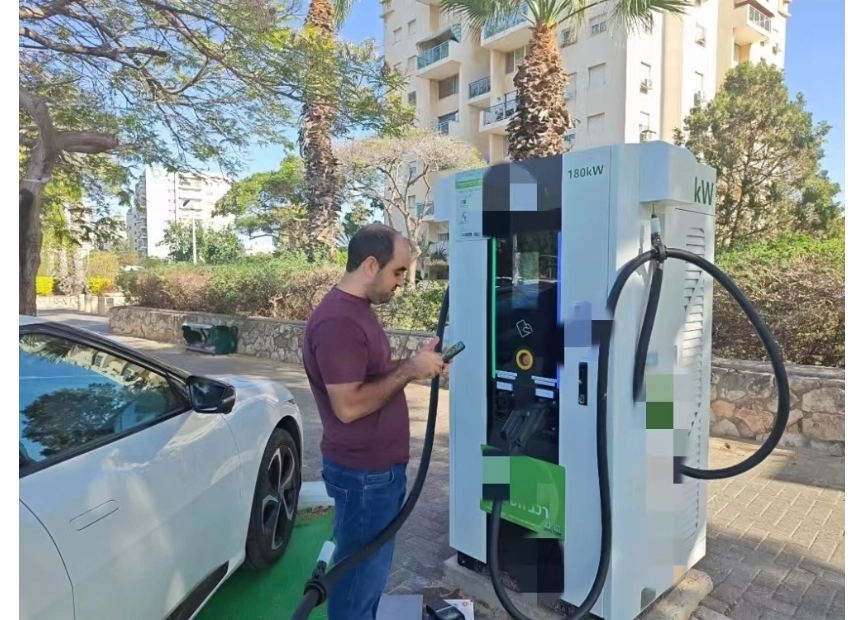
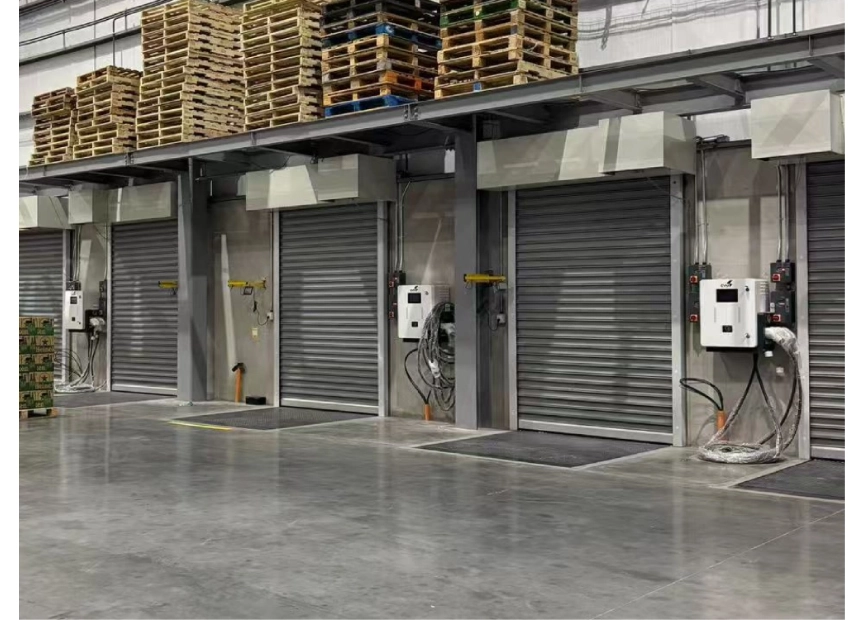
| Case Study | Wink Charging, Bulgaria (2nd-largest CPO). Deployed Anari Castor chargers on their public network. Required strict CE certification and seamless OCPP interoperability. Anari passed first-time CSMS integration testing, validating readiness for European CPO requirements. | Southeast Asia Logistics Fleet (Pipeline). Regional operator deployed Pales DC for 30+ electric delivery vans with overnight centralized charging. Dynamic load balancing enabled 6 × 60 kW chargers within the existing 200 kW grid — eliminating a six-figure grid upgrade that competitors had declared unavoidable. |