Products

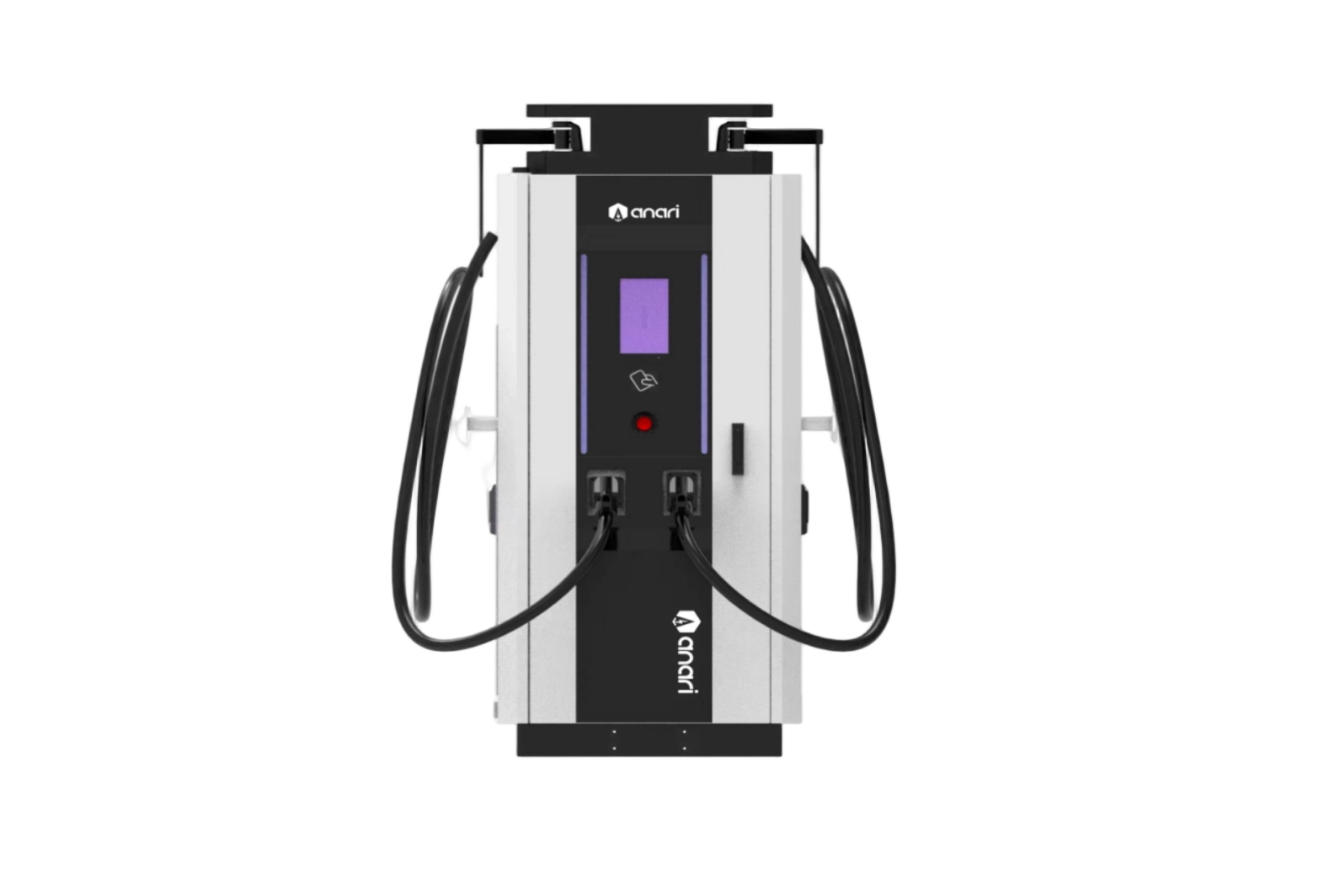
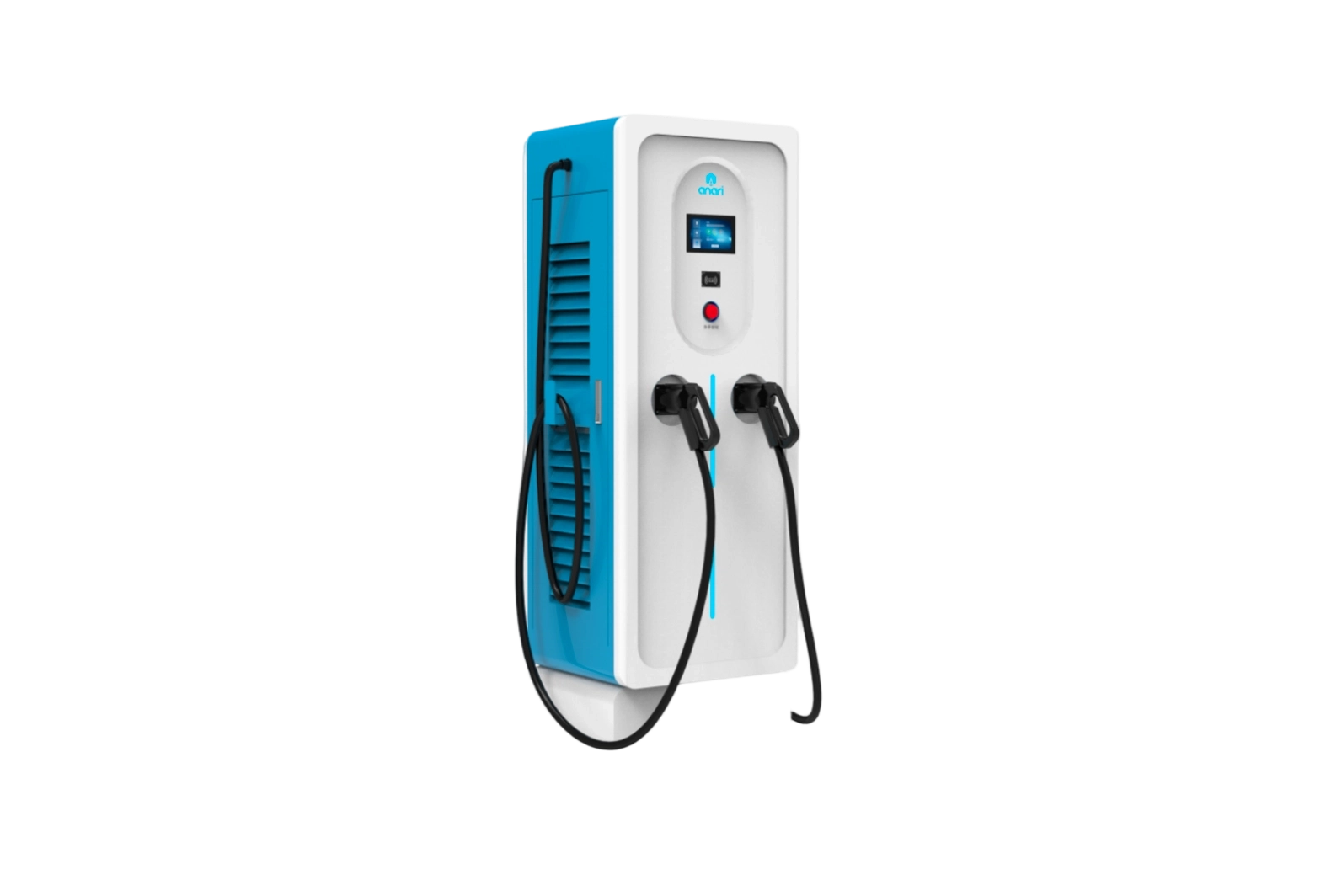
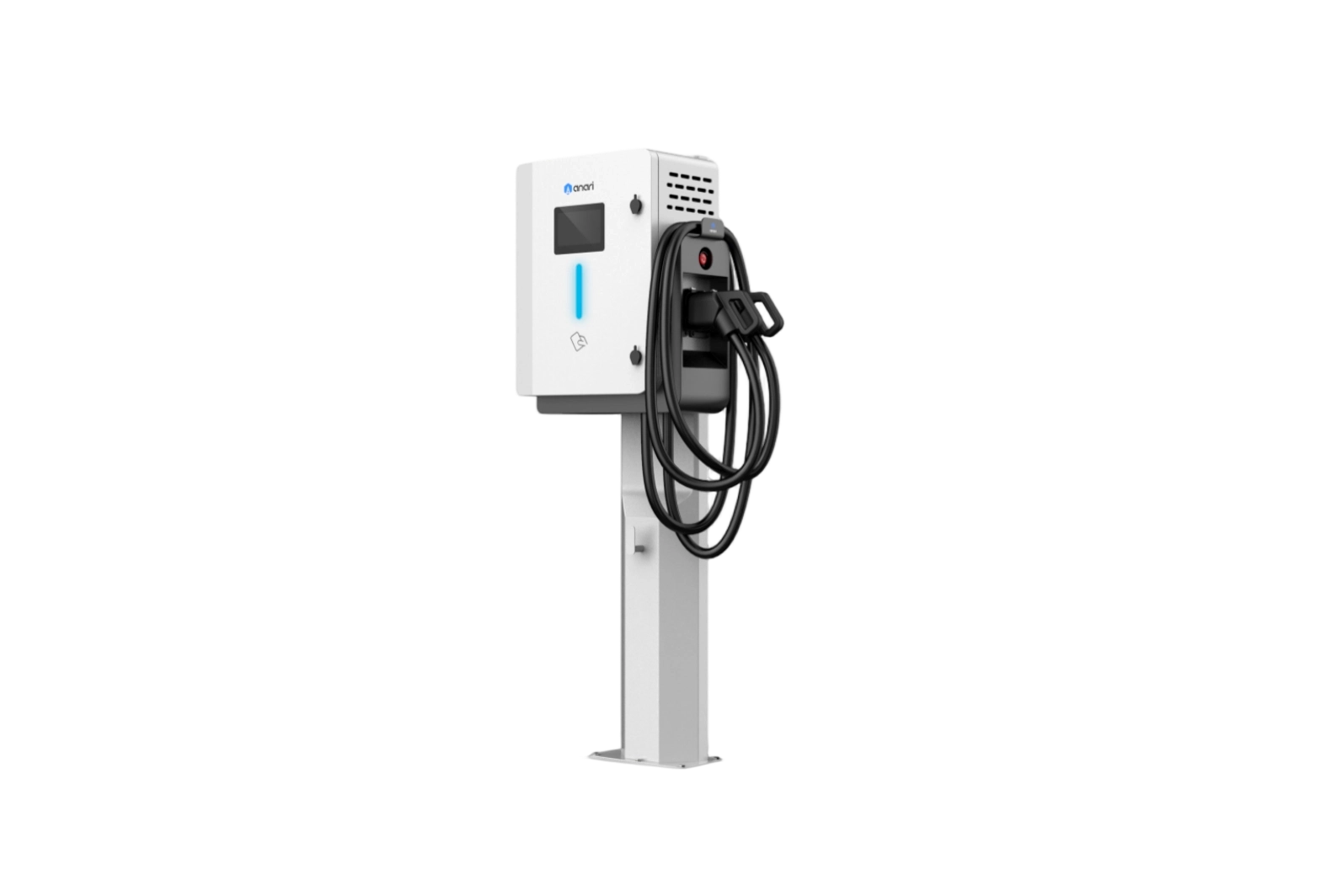
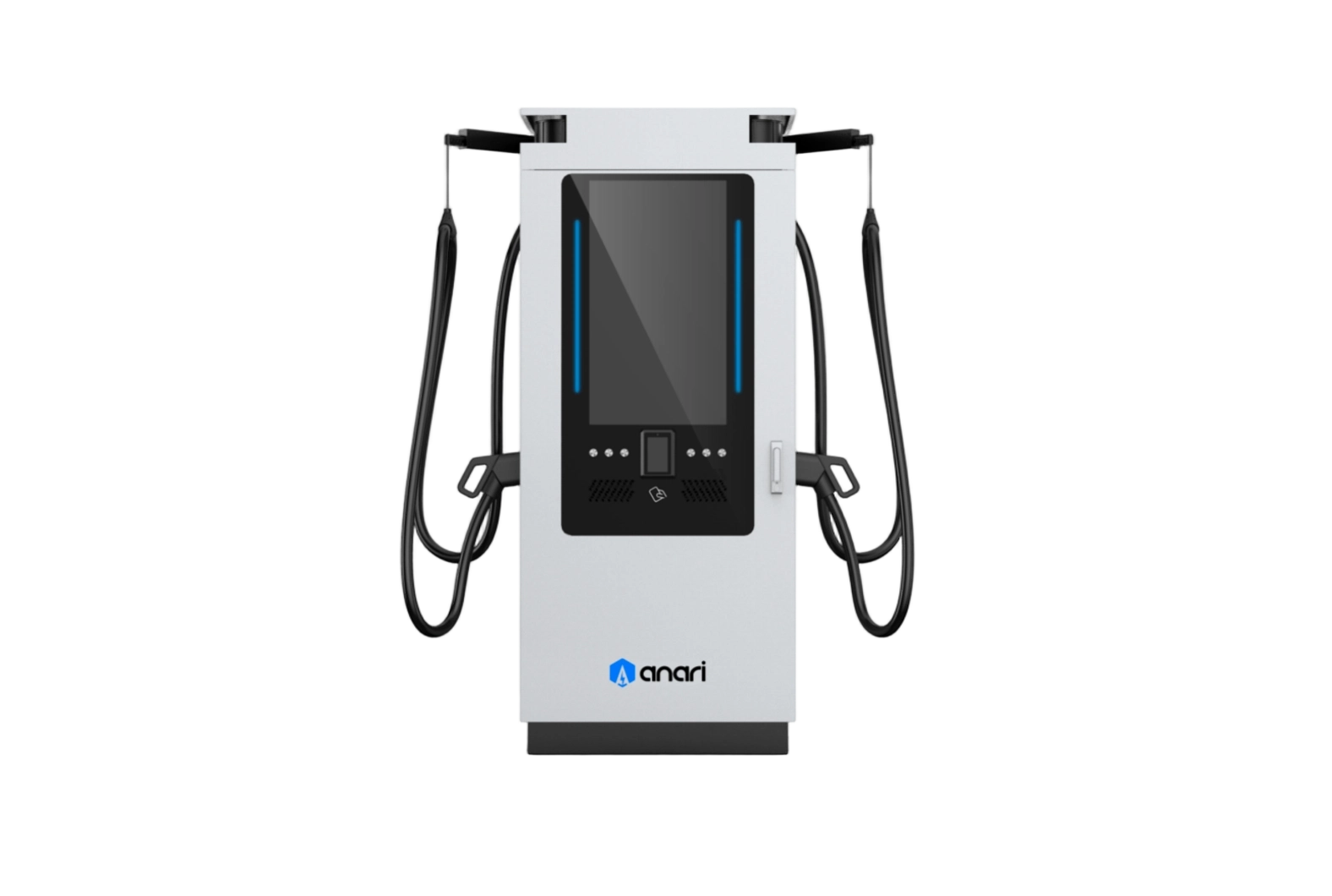
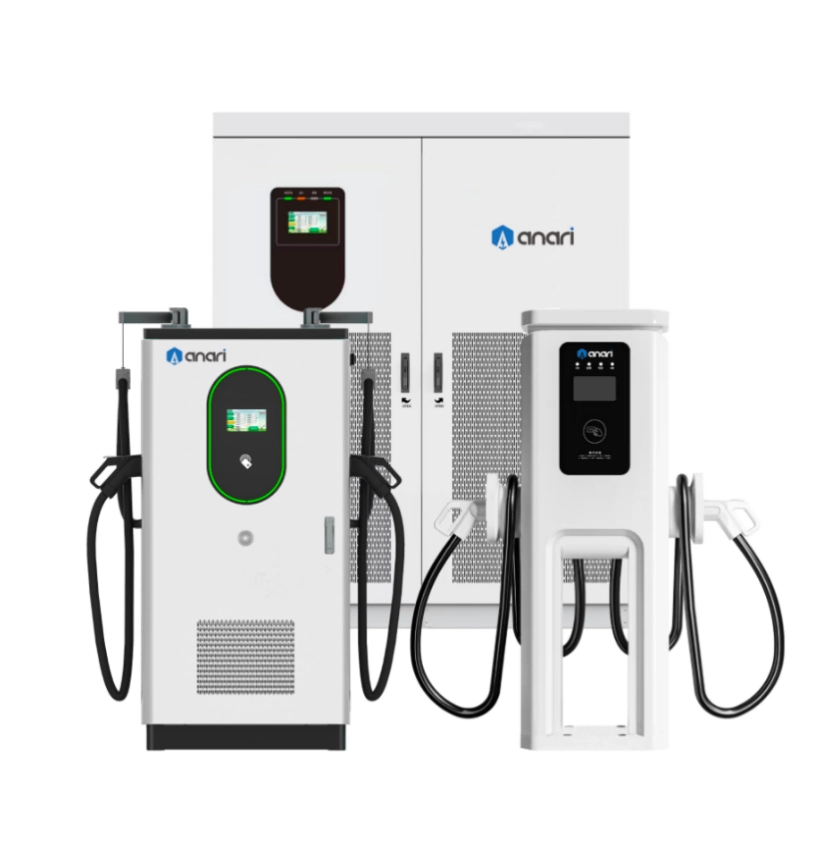
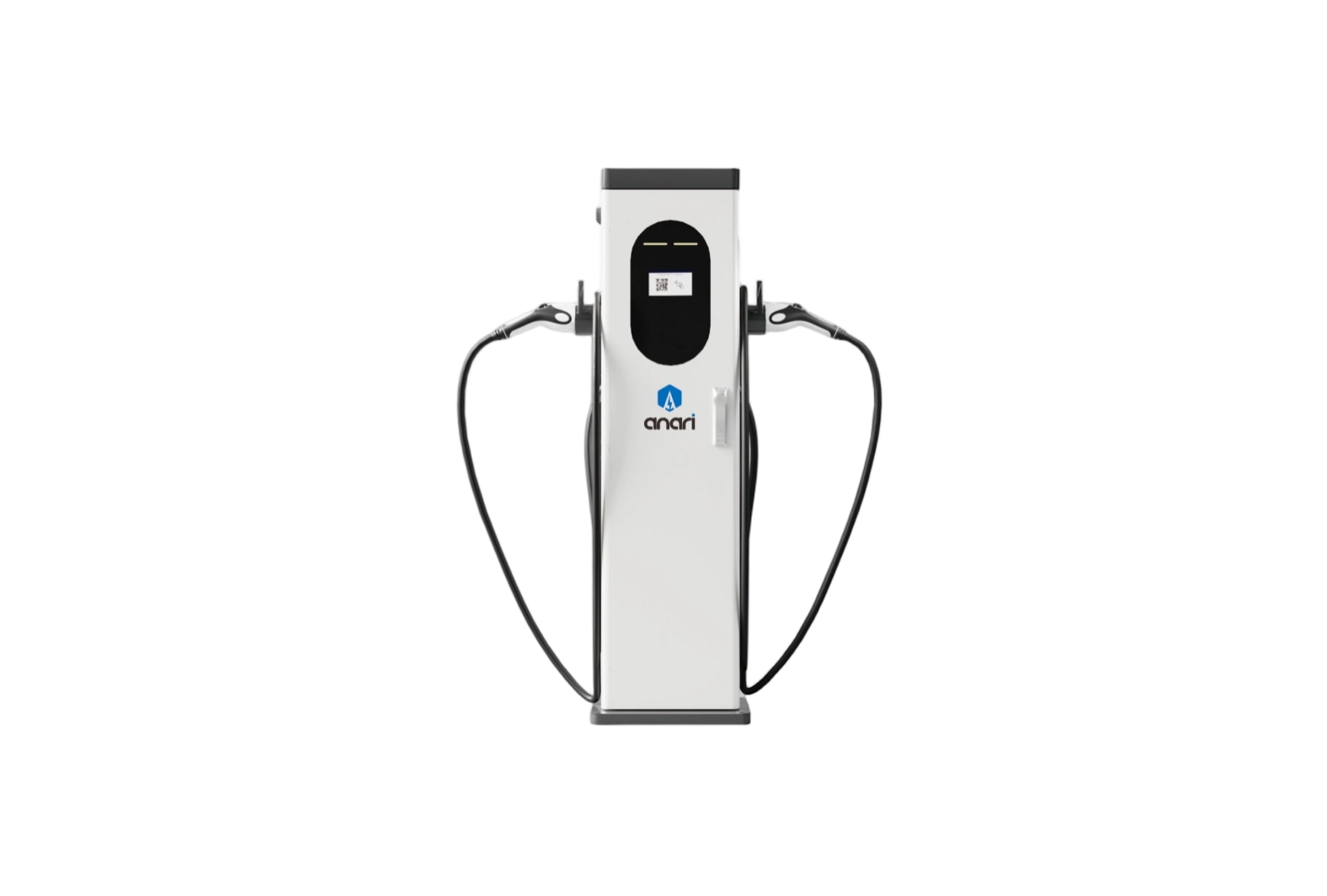
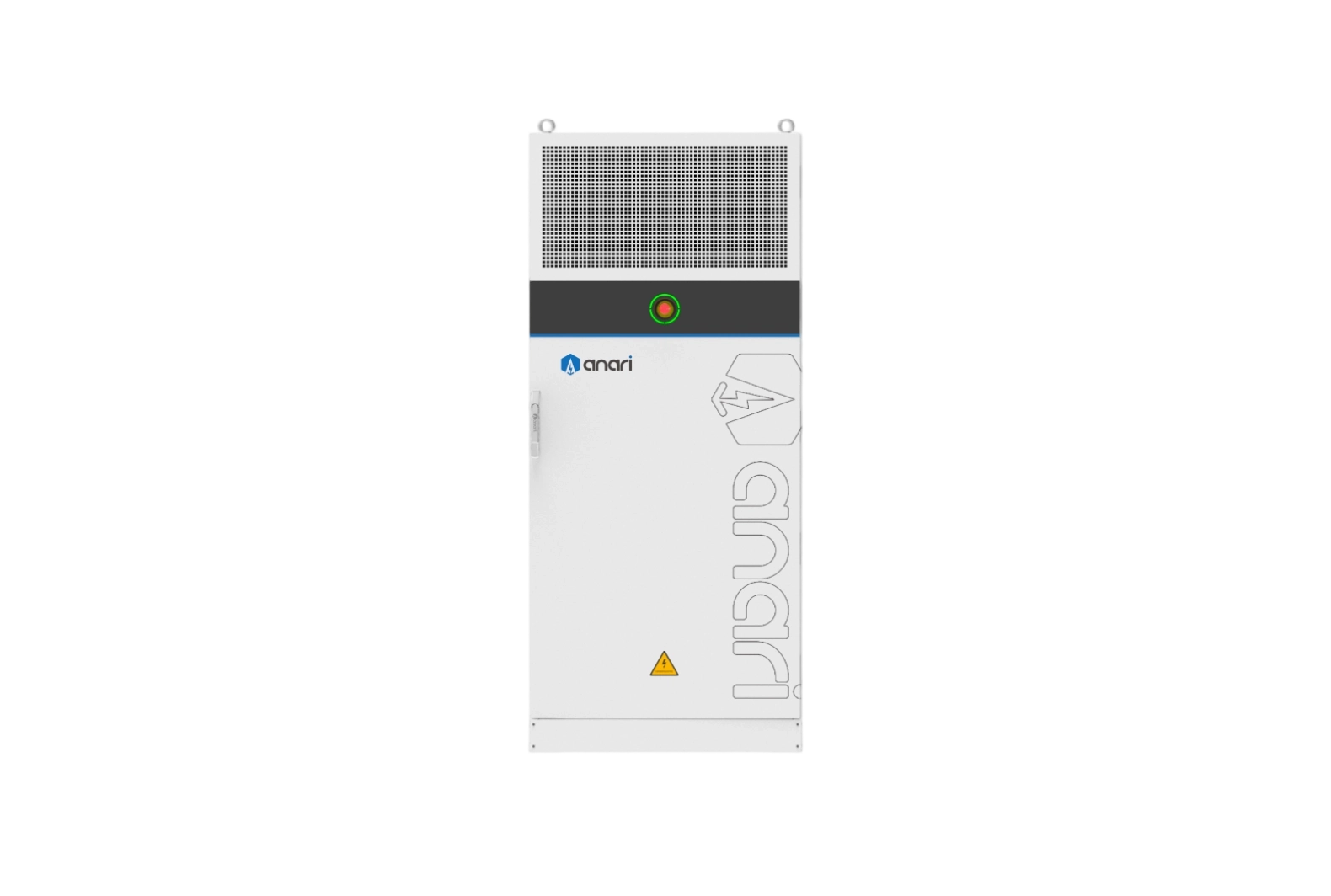
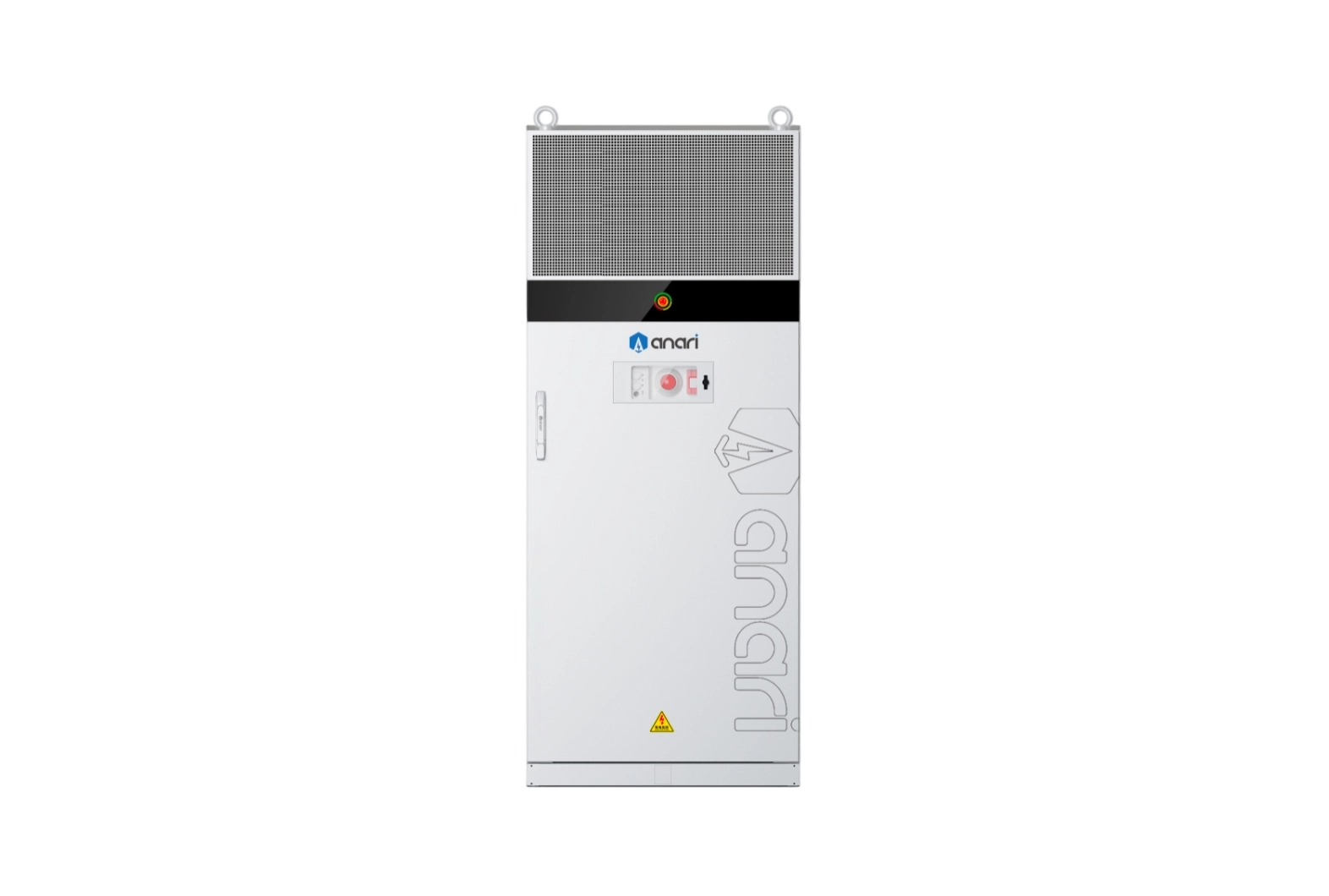
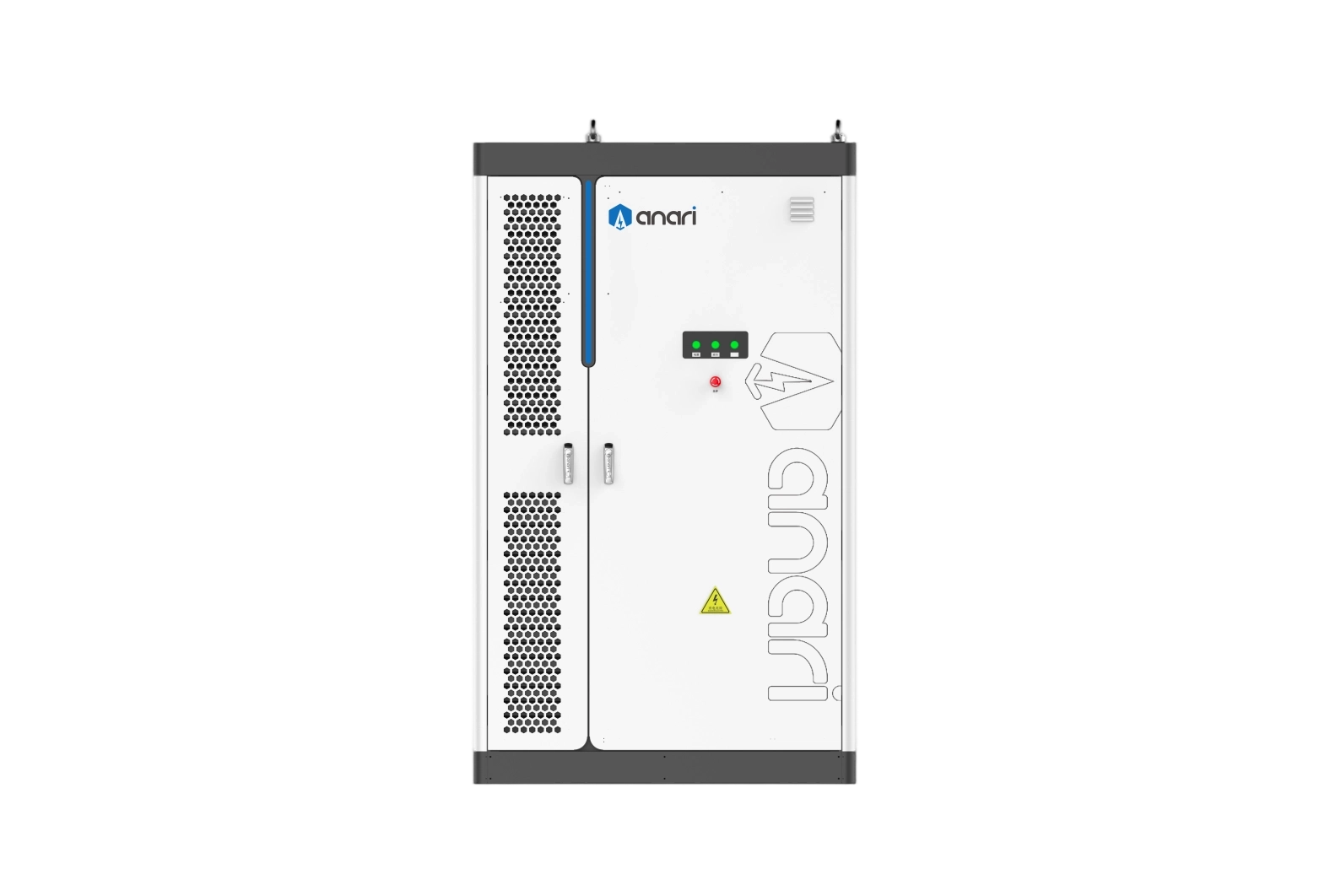
Our DC EV Charger is designed for rapid and efficient charging, perfect for commercial and public use. With high power output, it significantly reduces charging times, ensuring vehicles are quickly back on the road. Durable and reliable, it’s compatible with various EV models and features a user-friendly interface for easy operation. Ideal for meeting the growing demand for fast and reliable EV charging.

  • Product Design Excellence
  • Strong Business Support and Localization Services
  • Multiple safety protection mechanisms
  • Professional Team Expertise

Set A Consultation Today

Products

Anari EV Charging Stations’ Advantages

  • Unique Design

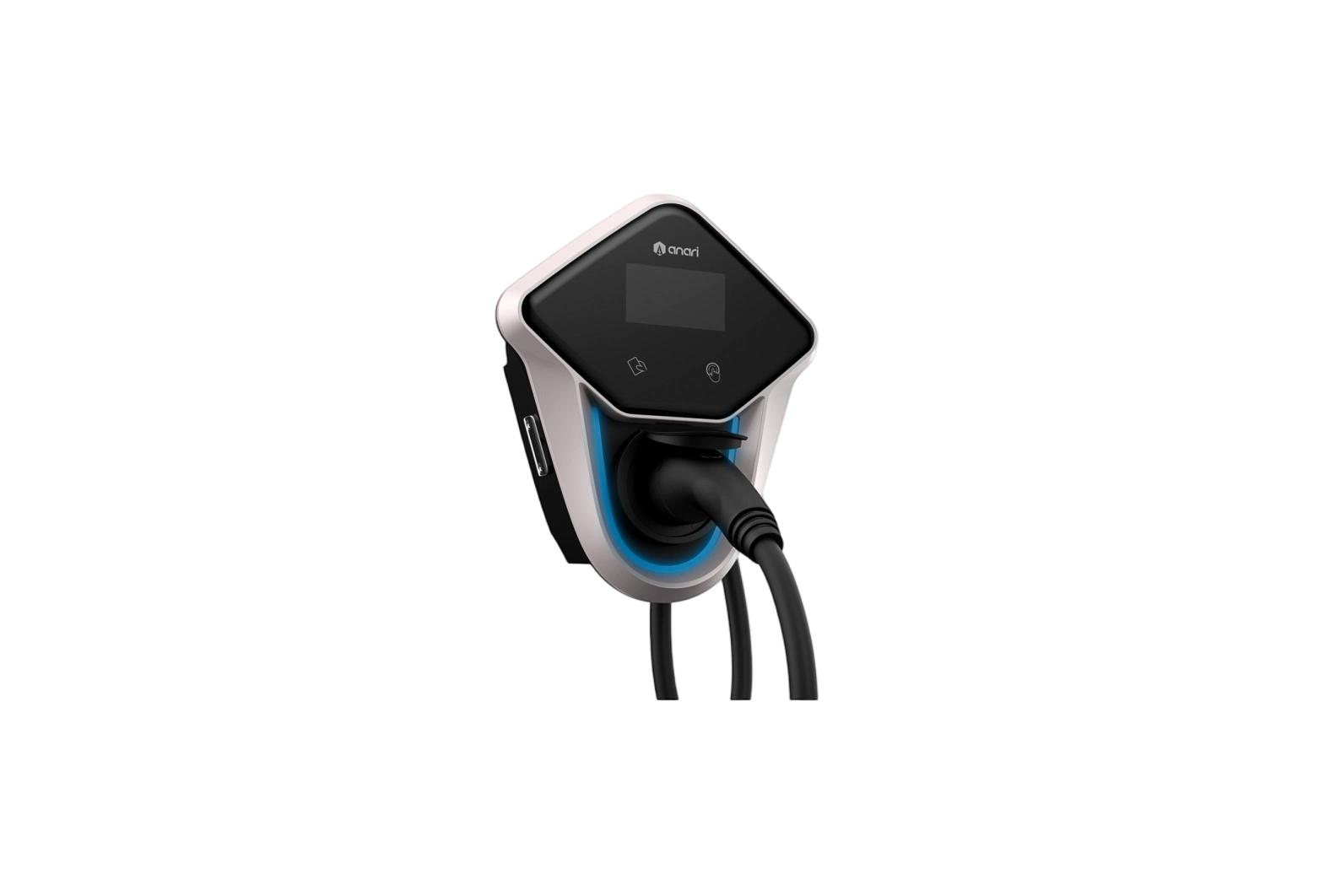
    Anari's sleek EV charging stations – professionally designed for seamless integration in any residential or commercial space, delivering both aesthetic appeal and functional performance.

  • Safety Feature

    Engineered for extreme reliability, our EV chargers deliver full protection against electrical hazards and operate flawlessly from -30°C to 50°C – meeting all safety certifications for worry-free charging.

  • Simple To Use

    Enjoy effortless charging with multiple activation options: plug-and-play, RFID card, or mobile app control.

FAQs of AC EV Charger

  • What are the common power ratings for AC charging stations?

    Typical residential AC EV chargers are commonly available in power outputs of 3.5kW, 7kW, 11kW, and 22kW, offering flexible home charging solutions while being slower than DC fast-charging stations.

  • How long does it take to power an EV for full charge?

    It depends on the car’s battery capacity, the charger current and power. In general, the level 1 EV charger takes around 12 hours for a full charge, while the level 2 EV charger takes 4-8 hours to charge.

    Charging time = EV battery capacity / Charger power

  • What are the typical power ratings for DC fast chargers?

    Commercial DC fast chargers commonly operate at 30kW/40kW/60kW/80kW/120kW/180kW/240kW/300kW/360kW,Anari's portfolio includes:

    • DC Wallbox 30kW/40kW(compact urban deployments)

    • DC Charging Station 60kW/80kW/120kW/180kW (high-traffic public zones)

    • DC Fast Charging Station 180kW/240kW/300kW/360kW (highway corridors & fleet hubs)

    This tiered power architecture ensures scalable configurations for diverse operational scenarios.

  • Where are commercial EV charging stations typically deployed?

    Profit-optimized charging infrastructure requires strategic placement in demand-dense locations. Key deployment zones include:

    • Retail anchors: Supermarkets, shopping malls

    • Institutional hubs: Corporate campuses, universities, hospitals

    • Hospitality networks: Hotels, restaurants, entertainment complexes

    • Logistics centers: Cargo terminals, truck stops

    • Residential developments: Green housing communities, smart cities

    • Transportation nodes: Airport/transit parking, urban curbsides

What They Say ?

  • The Anari app is user-friendly, allowing evennon-tech-sawy users to set up charging in afew simple steps without complexprocedures.

    Ethan Harrison
  • The Anari AC Wallbox features robust safetyprotections, including overload and short-circuit safeguards, ensuring worry-free andhazard-free charging.

    James Cater
  • Anari's after-sales service was exceptional.They promptly sent a professional whoresolved my minor issue efficiently within a day.

    Robert Jones
  • The Anari DC charging station deliversstable, consistent power in all weatherconditions, ensuring reliable long-term performance.

    Emma Richardson

EV Charger Guide:

The rise of electric vehicles (EVs) has led to the development of various types of EV chargers

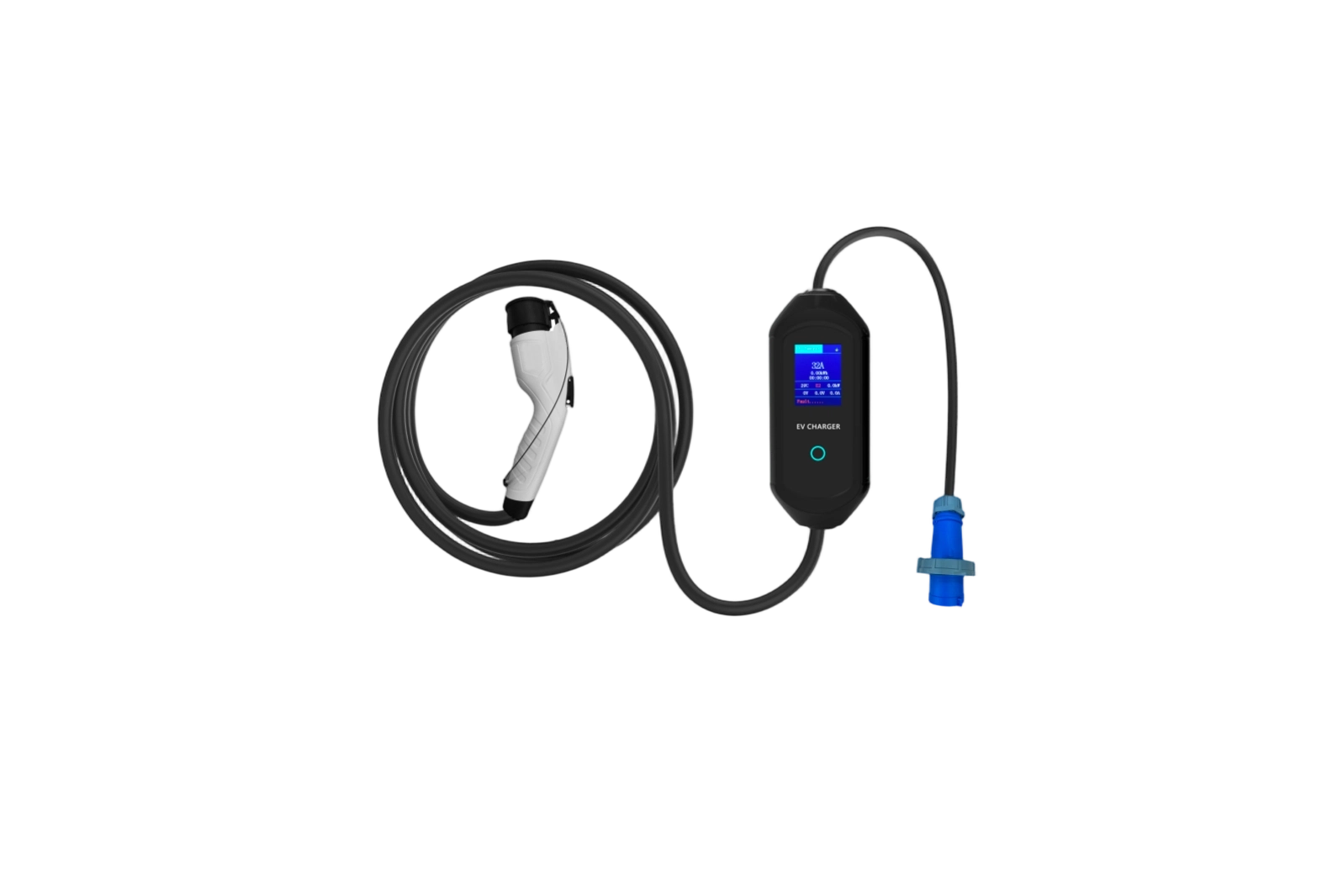
DC EV chargers, AC EV chargers, and portable EV chargers each serve different needs for electric vehicle charging. DC EV chargers offer fast charging, ideal for public and commercial use, delivering direct current (DC) for quick top-ups, while AC EV chargers are slower but more cost-effective, commonly used for home charging with alternating current (AC). Portable EV chargers provide flexibility for on-the-go charging with slower speeds but greater convenience, making them useful for emergency situations or areas without fixed charging infrastructure. Selecting the right charger depends on your charging speed needs and usage environment.

Set A Consultation Today

WhatsApp

Leave a message!

Leave a message!