



Table of Contents
The transition to electric vehicles (EVs) is accelerating globally, driven by environmental concerns, technological advancements, and supportive government policies. As EV adoption surges, the demand for accessible and reliable charging infrastructure is growing exponentially. For businesses, real estate developers, and charging network operators, this presents a significant opportunity. However, capitalizing on this trend requires more than simply installing chargers in random parking lots. Success hinges on strategic planning, and at the core of this planning lies a robust Commercial EV Charging Site Selection Framework.
Choosing the right location for commercial EV charging stations is a complex puzzle. It’s not just about finding available space; it’s about identifying locations that offer a compelling combination of high visibility, convenient access, adequate power supply, and an target demographic of EV drivers. A poorly chosen site can lead to underutilization, low return on investment (ROI), and a negative user experience. Conversely, a strategically selected site can become a profitable asset, enhance brand reputation, and contribute significantly to the broader EV ecosystem.
1. Understanding the Target Audience and Charging Needs
The foundation of any effective Commercial EV Charging Site Selection Framework begins with a clear understanding of the target audience. Who are you trying to serve, and what are their charging behaviors? Different EV drivers have different needs, and these needs dictate the type of chargers required and the ideal locations for them.
Defining the Use Cases
Commercial EV charging generally falls into several distinct categories, each catering to a specific use case:
- Destination Charging: These are locations where people spend a significant amount of time, typically several hours. Examples include hotels, resorts, theme parks, shopping malls, and large entertainment complexes. Here, drivers are looking to “top up” their batteries while they engage in other activities. Level 2 (L2) chargers, which provide a slower but steady charge, are usually sufficient and more cost-effective for these sites.
- Retail and Convenience Charging: These sites are characterized by shorter dwell times, usually ranging from 30 minutes to an hour. Examples include grocery stores, restaurants, coffee shops, and big-box retailers. Drivers visiting these locations are often looking for a quick boost to extend their range. Fast chargers (DCFC) are highly desirable here, although a mix of DCFC and high-power L2 chargers can also be effective.
- Workplace Charging: For many EV owners, the ability to charge at work is a critical factor. Employees typically park their cars for 8-10 hours, making L2 chargers the ideal solution. Workplace charging is not only a valuable employee perk but also a key strategy for companies looking to reduce their carbon footprint and demonstrate corporate social responsibility.
- Fleet Charging: Commercial fleets, such as delivery vans, taxis, and rental cars, are increasingly electrifying. These vehicles require dedicated charging depots, often equipped with high-power DCFC or specialized fleet charging solutions, to ensure quick turnaround times and maximize vehicle availability. The site selection for fleet charging is heavily influenced by the fleet’s operational routes and schedules.
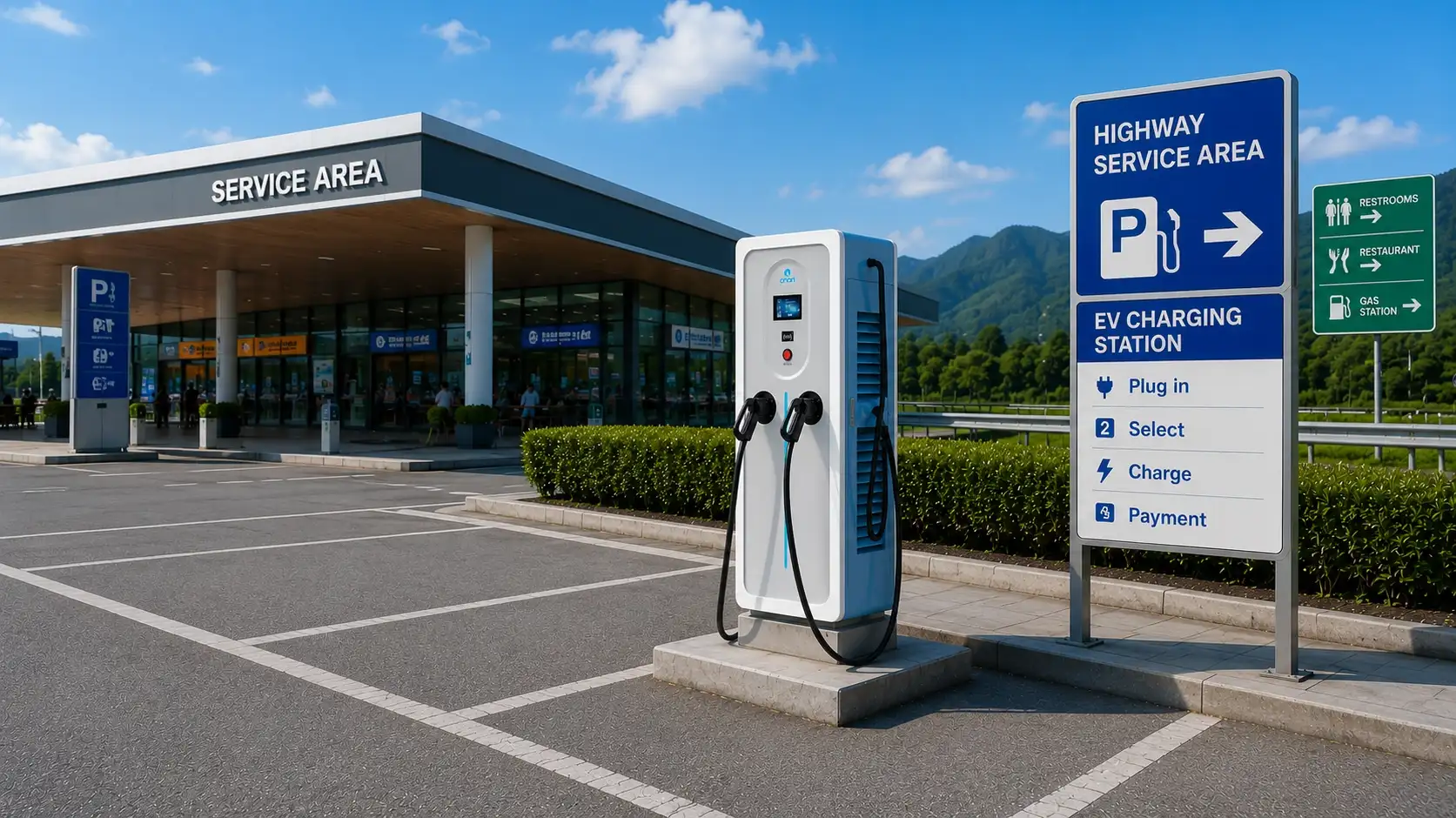
- Highway Corridor Charging: These stations are crucial for enabling long-distance travel. Located along major highways and interstates, they require ultra-fast DCFCs (150kW or higher) to minimize charging time. The primary goal is to get drivers back on the road as quickly as possible.
Analyzing Demographics and EV Adoption Rates
Once the target use case is defined, the next step in the Commercial EV Charging Site Selection Framework is to analyze the demographics and EV adoption rates in potential locations. A site is only viable if there is a sufficient concentration of EV drivers in the surrounding area or along connecting routes.
Key demographic factors to consider include:
- Income Levels: Historically, EV ownership has correlated with higher income levels due to the initial purchase price of the vehicles. Areas with higher median incomes often have higher concentrations of EVs.
- Housing Density: People living in single-family homes are more likely to have access to home charging, whereas those in apartments or condos rely more heavily on public charging infrastructure. Areas with high-density multi-family housing are often prime locations for commercial charging hubs.
- Commuting Patterns: Understanding where people live, work, and shop is essential. High-traffic commuter corridors and major employment centers are attractive targets.
- Current and Projected EV Registration Data: Accessing data on EV registrations by zip code or municipality provides a clear picture of the existing market size and growth trends.
Table 1: Matching Use Cases with Charger Types and Ideal Locations
| Use Case | Typical Dwell Time | Recommended Charger Type | Ideal Location Examples |
| Destination | 2-8+ hours | Level 2 (L2) | Hotels, Theme Parks, Large Malls |
| Retail/Convenience | 30-60 minutes | DC Fast Charger (DCFC) / High-power L2 | Grocery Stores, Coffee Shops, Big Box Retail |
| Workplace | 8-10 hours | Level 2 (L2) | Office Parks, Corporate Campuses |
| Fleet | Varies | DCFC / Specialized L2 | Distribution Centers, Depots |
| Highway Corridor | 15-30 minutes | Ultra-Fast DCFC (150kW+) | Rest Stops, Gas Stations along Interstates |
2. Evaluating Site Characteristics and Accessibility
The physical attributes of a potential location are paramount within a comprehensive Commercial EV Charging Site Selection Framework. A site must not only be visible but also accessible, safe, and capable of accommodating the required infrastructure.
Visibility and Traffic Flow
High visibility is crucial for attracting users, especially for retail, convenience, and highway corridor charging. Stations hidden behind buildings or in remote corners of parking lots will struggle to attract users. The ideal site should be easily seen from major roads or main entrances.
Furthermore, analyzing traffic flow patterns is essential. Are the roads leading to the site heavily congested? Is it easy to enter and exit the parking lot? For highway locations, proximity to off-ramps and clear signage are critical factors. A site that requires a convoluted detour will likely be bypassed by drivers seeking convenience.
Parking Availability and Layout
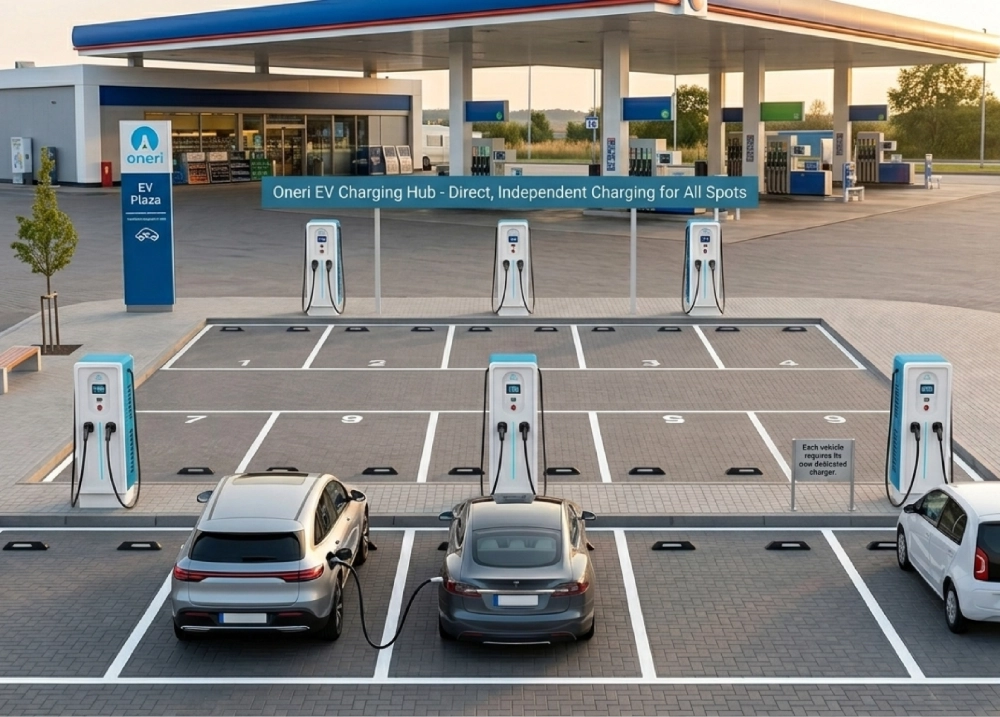
The availability of adequate parking space is a fundamental requirement. Installing chargers often means dedicating specific parking spots exclusively for EVs, which can reduce overall parking capacity. This must be carefully balanced, especially in busy retail locations where parking is already at a premium.
The layout of the parking lot also plays a significant role. The chosen spots should allow for easy maneuvering, especially for larger EVs or vehicles towing trailers (a growing segment in the EV market). Considerations must also be made for Americans with Disabilities Act (ADA) compliance, ensuring that EV charging stations are accessible to all users.
Amenities and Security
The charging experience is increasingly becoming a differentiator. Drivers spending 30 minutes or more charging their vehicles will appreciate access to amenities such as restrooms, food and beverage options, Wi-Fi, and comfortable seating areas. Sites co-located with existing retail or dining establishments have a distinct advantage.
Security is another vital aspect. Charging stations, particularly those operating 24/7, should be well-lit and ideally monitored by security cameras. A safe and welcoming environment is essential for building user trust and encouraging repeat visits.
3. Assessing Power Infrastructure and Grid Capacity
Perhaps the most critical and often most challenging component of the Commercial EV Charging Site Selection Framework is assessing the existing power infrastructure. EV chargers, especially DC Fast Chargers, draw significant amounts of electricity. Determining if a site has the necessary power capacity—or if costly upgrades are required—is a key factor in assessing viability.
Understanding Power Requirements
The power required depends entirely on the type and number of chargers planned for the site. A typical Level 2 charger draws between 7kW and 19kW, while a DC Fast Charger can draw anywhere from 50kW to 350kW or more. A site planning multiple DCFCs could easily require power comparable to a small industrial facility.
Working with Local Utilities
Early engagement with the local utility provider is crucial. They hold the key to understanding the existing grid capacity in the area and the specific power available at the proposed site.
Key questions to ask the utility include:
What is the current available capacity on the local circuit?
If the circuit is already near capacity, adding a significant load for EV charging may trigger the need for expensive substation upgrades.
What is the capacity of the existing transformer serving the site?
Often, the transformer serving a commercial building is not sized to handle the additional load of EV chargers. Upgrading a transformer is a common and sometimes costly requirement.
Are there any planned grid upgrades in the area?
Knowing the utility’s future plans can help inform the timing of your project.
What are the specific commercial rates and demand charges?
Understanding the rate structure is essential for calculating operational costs. Demand charges, which are based on the peak power draw during a billing period, can significantly impact the profitability of high-power DCFC stations.
Evaluating Upgrade Costs and Timelines
If the existing power infrastructure is insufficient, the costs and timelines for necessary upgrades must be carefully evaluated. These upgrades can range from simple panel additions within the building to laying new conduit, installing larger transformers, or even requiring the utility to run new high-voltage lines to the site.
These costs can vary wildly, sometimes exceeding the cost of the chargers themselves. Furthermore, utility upgrade timelines can be lengthy, often stretching for months or even years. Factoring these potential delays into the project schedule is essential for realistic planning.
Table 2: Potential Infrastructure Upgrades and Considerations
| Upgrade Type | Description | Potential Cost Impact | Typical Timeline Impact |
| Electrical Panel Upgrade | Increasing capacity within the building’s existing electrical room. | Low to Moderate | Short (Weeks) |
| Trenching and Conduit | Excavating to run power lines from the electrical room to the charging location. | Moderate to High | Medium (Weeks to Months) |
| Transformer Upgrade | Replacing the utility transformer to handle increased total load. | High | Long (Months) |
| Grid Extension/Substation Work | Major utility infrastructure upgrades to bring more power to the area. | Very High | Very Long (Months to Years+) |
4. Navigating Permitting, Zoning, and Regulatory Requirements
A comprehensive Commercial EV Charging Site Selection Framework must incorporate a thorough understanding of the regulatory landscape. Permitting and zoning requirements can vary significantly from one municipality to another, and failing to account for these can lead to costly delays or project cancellation.
Zoning Regulations and Land Use
The first step is to verify that the proposed site’s zoning allows for commercial EV charging. While many municipalities are updating their zoning codes to accommodate EV infrastructure, some still have outdated regulations or specific restrictions. For example, some areas may classify fast charging stations similarly to gas stations, requiring special use permits or variances.
It’s also important to consider local ordinances regarding parking minimums. If installing chargers requires dedicating parking spots, this could potentially conflict with local requirements for the minimum number of parking spaces required for the host business.
Building and Electrical Permits
Installing commercial EV chargers requires obtaining the necessary building and electrical permits from the local authority having jurisdiction (AHJ). The permitting process typically involves submitting detailed engineering plans, electrical single-line diagrams, and site layout drawings.
The complexity of the permitting process often correlates with the scale of the project. A few L2 chargers may require relatively simple permits, while a large DCFC hub with significant infrastructure upgrades will undergo a much more rigorous review process. Engaging experienced contractors and engineering firms familiar with local codes is highly recommended to streamline this process.
Environmental Considerations
Depending on the location and scale of the project, environmental reviews may be necessary. This is particularly relevant for sites located near sensitive ecological areas, flood zones, or sites with a history of contamination. Early identification of potential environmental hurdles can save significant time and money later in the project lifecycle.
5. Financial Modeling and Revenue Strategies
Ultimately, commercial EV charging is a business, and site selection must be driven by sound financial modeling. A robust Commercial EV Charging Site Selection Framework includes a detailed analysis of costs, potential revenue streams, and available incentives.
Capital Expenditures (CapEx) and Operating Expenses (OpEx)
Accurate financial modeling begins with a comprehensive understanding of all costs involved:
- CapEx (Capital Expenditures): This includes the cost of the charging hardware, software licensing, site preparation (trenching, concrete pads), electrical infrastructure upgrades, permitting fees, and installation labor.
- OpEx (Operating Expenses): These are the ongoing costs of running the station, including electricity costs (including demand charges), network management fees, maintenance and repair contracts, insurance, and lease payments (if applicable).
Revenue Streams and Pricing Models
There are several ways to generate revenue from commercial EV charging stations:
- Pay-per-Use: Drivers pay for the electricity they consume, typically based on kilowatt-hours (kWh) or time spent charging. This is the most common model for public DCFC stations.
- Subscription Models: Drivers pay a monthly or annual fee for discounted charging rates or exclusive access to certain stations.
- Host Subsidization: The host business (e.g., a retailer or employer) may choose to offer free or heavily discounted charging as an amenity to attract customers or retain employees. The revenue is indirectly generated through increased sales or improved employee satisfaction.
- Advertising and Sponsorship: Stations equipped with digital screens can generate revenue through advertising. Alternatively, a company may sponsor a station in exchange for branding rights.
Leveraging Incentives and Grants
A critical component of the financial model is identifying and securing available incentives and grants. Governments and utilities at the federal, state, and local levels are offering substantial financial support to accelerate the deployment of EV infrastructure.
These programs can significantly offset CapEx costs, sometimes covering up to 80% or more of the total project expense. Thoroughly researching and applying for these programs is essential for maximizing ROI and improving the financial viability of a site.
Conclusion
The deployment of commercial EV charging infrastructure is not merely an installation project; it is a strategic real estate and energy management endeavor. Utilizing a comprehensive Commercial EV Charging Site Selection Framework is essential for navigating the complexities of this rapidly evolving market.
By systematically evaluating target audiences, site characteristics, power infrastructure, regulatory requirements, and financial models, stakeholders can identify optimal locations that deliver long-term value. As the EV revolution continues to gather momentum, those who approach site selection with rigor and foresight will be best positioned to capitalize on the enormous opportunities ahead, building a profitable and sustainable charging network for the future.
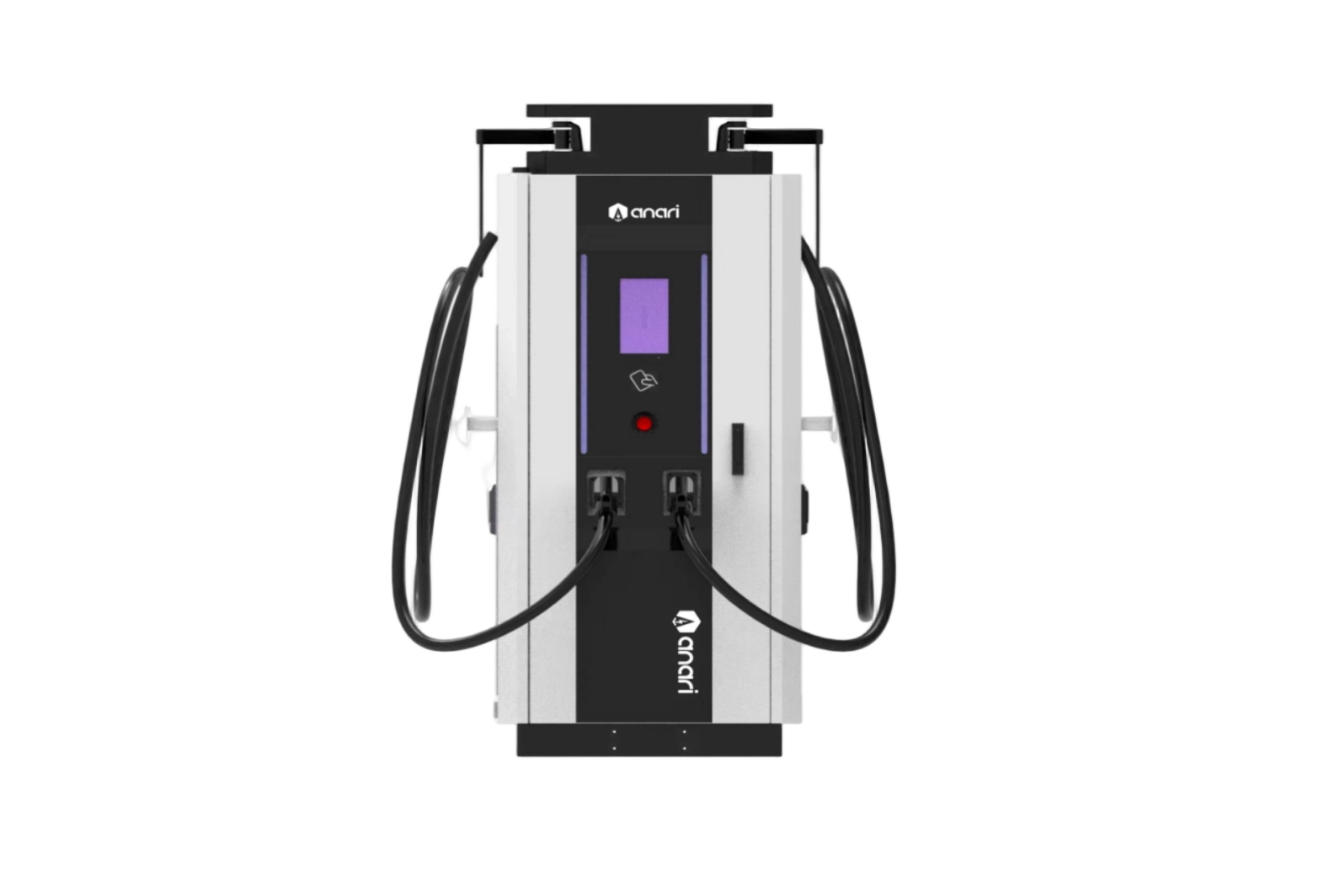
Anari Commercial Charging Solution
FAQs
1. What is the most common hidden cost when selecting a commercial EV charging site?
The most common and often significant hidden cost is the electrical infrastructure upgrade required by the local utility. While the cost of the chargers themselves is relatively predictable, the expense of bringing sufficient power to the site—such as upgrading transformers, trenching long distances, or extending grid capacity—can vary wildly and sometimes exceed the hardware costs. Engaging the utility early in the site selection process is crucial to identifying these potential expenses.
2. How do demand charges impact the profitability of a commercial charging station?
Demand charges are fees levied by utilities based on the peak power draw (in kilowatts) during a specific billing period, rather than the total energy consumed (in kilowatt-hours). Because DC Fast Chargers draw a massive amount of power in a short time, they can trigger very high demand charges, even if the station is only used a few times a month. These charges can severely erode profitability, making careful site selection, smart charging software, and potentially integrating battery storage essential strategies for managing operational costs.
3. Why is analyzing “dwell time” important in the site selection framework?
Dwell time—the average amount of time a customer spends at a specific location—dictates the type of charger that is most appropriate and cost-effective. For locations with long dwell times, like workplaces or hotels (4-8+ hours), Level 2 chargers are ideal because they provide a steady charge over a longer period. For locations with short dwell times, like highway rest stops or grocery stores (15-45 minutes), fast-charging DCFCs are necessary to provide a meaningful charge before the customer leaves. Matching the charger type to the typical dwell time ensures high utilization and a positive user experience.