



Table of Contents
The global automotive landscape is undergoing a seismic shift. As the transition to electric vehicles (EVs) accelerates at an unprecedented pace, the real estate industry finds itself at a critical crossroads. For property developers, asset managers, and real estate investors, the integration of EV charging infrastructure is no longer a futuristic concept or a niche sustainability initiative—it is an immediate strategic imperative.
Governments worldwide are implementing stringent emissions targets, phasing out internal combustion engines, and introducing aggressive building codes that mandate “EV-ready” infrastructure. Consequently, the demand for accessible, reliable, and scalable charging stations is skyrocketing among consumers and corporate tenants alike.
Why Real Estate Must Electrify
Ignoring the EV boom is a risk that modern property developers simply cannot afford to take. Integrating charging infrastructure into new builds and major renovations offers a multitude of tangible benefits that directly impact the bottom line and long-term asset viability.
1. Enhancing Property Value and Marketability
Properties equipped with robust charging amenities command a premium in today’s competitive real estate market. For residential developments, it is a key differentiator that attracts eco-conscious, high-income tenants and buyers. In the commercial sector, corporate tenants increasingly require EV facilities to meet their own ESG (Environmental, Social, and Governance) targets and to accommodate their employees’ transition to electric mobility.
2. Regulatory Compliance and Future-Proofing
Municipalities and regional governments are rapidly updating building codes. Regulations such as the CALGreen code in California or Part S of the Building Regulations in the UK now mandate that a certain percentage of parking spaces in new developments must have charging points or the underlying cable routes (conduit) to support future installations. Developing with EV infrastructure in mind from day one prevents exorbitant retrofitting costs down the line.
3. Creating New Revenue Streams
Beyond property valuation, EV charging stations offer developers a direct pathway to monetization. Through smart Charge Point Management Systems (CPMS), property owners can set dynamic pricing tariffs, billing users for electricity consumed, time spent at the station, or a combination of both. This transforms parking spaces from passive concrete into active revenue-generating assets.
Decoding the Hardware: A Technical Overview of EV Chargers
Before breaking ground, it is crucial to understand the technology. EV chargers are generally categorized into three levels, each serving a distinct purpose based on power output, charging speed, and ideal dwell time.
Table 1: EV Charging Levels Comparison
| Charging Level | Power Supply | Estimated Charge Time (to 80%) | Ideal Real Estate Use Case | Relative Hardware Cost |
| Level 1 | 120V AC (Standard Outlet) | 12 – 24 Hours | Long-term residential parking (rarely used in commercial development due to slow speed). | Low |
| Level 2 | 208V – 240V AC | 4 – 8 Hours | Multifamily residential, office buildings, hotels, long-term retail parking. | Medium |
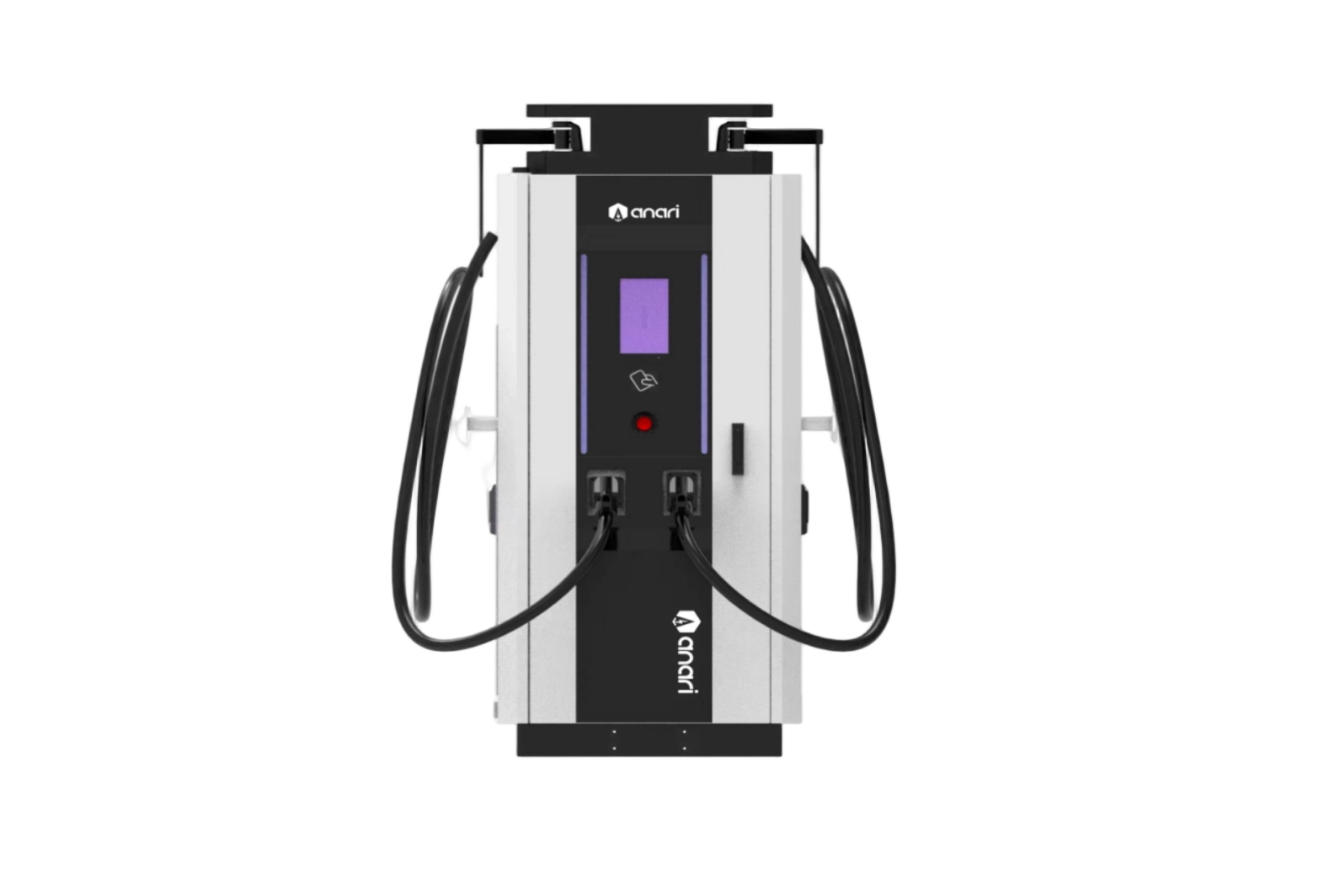
| DC Fast Charging (Level 3) | 400V – 1000V DC | 20 – 60 Minutes | Highway rest stops, high-turnover retail plazas, fleet depots, gas station replacements. | High |
For the vast majority of property developers, Level 2 chargers represent the sweet spot between installation cost, electrical grid impact, and user convenience.
Sector-Specific Implementation Strategies
The approach to electrification varies wildly depending on the asset class. Understanding the unique behavior and dwell time of the end-user is critical to designing an efficient system.
Multifamily Residential Developments
The demand for at-home charging is the primary bottleneck for many potential EV buyers living in apartments. Implementing scalable EV charging for apartment complexes is rapidly transitioning from a luxury amenity to a baseline tenant requirement.
In multifamily settings, cars are typically parked overnight, meaning dwell times are long (8 to 12 hours). This makes Level 2 chargers the perfect fit. Developers must decide between assigning dedicated chargers to specific parking bays or creating a shared “charging hub” within the facility. Shared hubs require fewer initial hardware investments but necessitate robust software to manage queueing and enforce idle fees to prevent residents from hogging the spots once their vehicles are fully charged.
Commercial, Retail, and Mixed-Use Assets
The calculus changes significantly when dealing with commercial properties. When planning an EV charging station installation for commercial properties, developers must evaluate the average dwell time of their visitors.
For an office park where employees park for 8 hours, Level 2 chargers are sufficient. However, for a retail shopping center or a quick-service restaurant where the dwell time is between 30 and 90 minutes, investing in a mix of high-powered Level 2 chargers and DC Fast Chargers is highly recommended. For retailers, charging stations act as a powerful magnet. EV drivers intentionally seek out locations where they can “top up” while they shop or dine, directly increasing foot traffic and extending the duration of the customer’s visit, which traditionally correlates with higher retail spend.
The Financial Blueprint: Costs, Revenues, and ROI
The economics of EV infrastructure extend far beyond the sticker price of the hardware. A holistic financial model must account for capital expenditures (CapEx), operational expenditures (OpEx), and projected revenue.
Understanding Capital and Operational Costs
- CapEx: Includes the physical charging units, electrical infrastructure upgrades (transformers, panels, conduit, wiring), trenching, paving, ADA-compliant signage, and labor.
- OpEx: Includes software networking fees, routine maintenance, cellular connectivity for the stations, and the cost of electricity.
Monetization Strategies
Developers have several models to choose from when determining how to generate a return on investment (ROI):
Table 2: Potential Revenue Models for Property Developers
| Model Type | How It Works | Best Suited For | Pros | Cons |
| Cost Recovery | Users are billed exactly what the utility charges the property owner. | Office buildings, employee parking. | Builds high goodwill and tenant satisfaction. | Generates no direct profit; only covers expenses. |
| Profit Generation | A markup is applied to the per-kWh rate or an hourly fee is charged. | Public retail spaces, paid parking garages. | Creates a direct, passive revenue stream. | May deter users if the markup is perceived as too high. |
| Subscription / Flat Fee | Tenants pay a fixed monthly fee for access to the charging network. | Multifamily apartments, condominiums. | Predictable, recurring revenue. | Unfair to residents who drive infrequently. |
Leveraging Grants and Incentives
To accelerate the transition, federal, state, and local governments, alongside utility companies, offer substantial incentives. Programs like the NEVI (National Electric Vehicle Infrastructure) formula program in the US, or various local utility “Make-Ready” programs, can cover up to 50% to 80% of the installation and hardware costs. Navigating this landscape is complex but essential for maximizing project ROI.
Overcoming Grid Constraints: Smart Charging and Load Management
One of the most significant hurdles developers face is the limitation of the local electrical grid. Adding dozens of Level 2 chargers to a building can necessitate massive, prohibitively expensive upgrades to the site’s electrical transformers and main switchboards.
This is where Dynamic Load Balancing (DLB) and smart charging technologies become indispensable.
A smart CPMS monitors the building’s total real-time energy consumption. When the building approaches its maximum electrical capacity (for example, on a hot summer afternoon when HVAC systems are running at maximum), the software automatically dials back the power output to the EV chargers. As building demand drops overnight, the chargers are given full power. This allows developers to install more charging stations on a site than the raw electrical panel capacity would traditionally allow, saving tens of thousands of dollars in utility upgrade costs.
The Step-by-Step Project Lifecycle
Successful implementation requires meticulous planning and execution. Here is the standard lifecycle of a commercial or large-scale residential EV project:
- Site Feasibility and Energy Audit: Assessing the existing electrical infrastructure, analyzing peak load data, and determining how much spare capacity is available.
- Design and Engineering: Creating stamped electrical line diagrams, determining the optimal physical locations for the chargers (minimizing trenching distances from the power source), and ensuring compliance with ADA (Americans with Disabilities Act) accessibility standards.
- Utility Engagement: Collaborating early with the local utility provider to determine if grid-side upgrades are necessary.
- Hardware and Software Selection: Choosing Open Charge Point Protocol (OCPP) compliant hardware to avoid vendor lock-in, and selecting a robust management software for billing and monitoring.
- Permitting and Construction: Securing local municipal permits, performing the trenching, laying conduit, pulling wire, and mounting the stations.
- Commissioning and Testing: Activating the network, testing the load balancing features, and publishing the stations on public maps (like PlugShare or Google Maps) if they are open to the public.
Given the complexity of navigating electrical engineering, software networking, and government grants, DIY approaches often lead to costly delays. Partnering with an expert firm that offers end-to-end EV charging solutions for property developers can mitigate these risks, streamline the entire deployment process, and ensure the final infrastructure is scalable, compliant, and profitable.
Long-Term Operations and Maintenance (O&M)
An often-overlooked aspect of EV infrastructure is post-installation maintenance. A broken charger is worse than no charger at all, as it creates immense frustration for drivers relying on your facility to get home or to work.
Property developers must secure comprehensive Service Level Agreements (SLAs) with their hardware providers or O&M partners. This should include 24/7 remote monitoring to detect offline stations, automated over-the-air (OTA) software updates, and guaranteed response times for on-site physical repairs. By ensuring high uptime, developers protect their brand reputation and ensure consistent revenue generation.
Conclusion
The electrification of transport is rewriting the rules of commercial and residential real estate. Property developers who proactively embrace this shift will find themselves with highly desirable, future-proofed assets that attract premium tenants and generate ancillary revenue. Those who delay will face the steep costs of complex retrofits and the risk of holding obsolete, uncompetitive properties. By understanding the technology, planning for electrical capacity, and leveraging the right software and partnerships, you can position your developments at the forefront of the green revolution.
FAQs
1. How do I know if my property has enough electrical capacity for EV chargers?
Before purchasing any hardware, you must have a certified electrical engineer perform a load evaluation. They will analyze your building’s historical 15-minute interval energy data and existing panel capacity. If capacity is low, you can either invest in a utility service upgrade or utilize Dynamic Load Balancing software to share the limited available power intelligently among multiple chargers without tripping the main breaker.
2. What does it mean for a new development to be “EV-Ready”?
Being “EV-Ready” means that during the initial construction phase, the developer has installed the underlying infrastructure required for future chargers. This includes upgrading the main electrical panel to handle the future load, and laying oversized empty conduit piping under the pavement from the electrical room to the parking spaces. Doing this during initial construction is exponentially cheaper than tearing up concrete to lay conduit years later.
3. Are there ways to offset the upfront costs of installing EV infrastructure?
Yes, significantly. A vast array of financial incentives exists globally. These include federal tax credits, state-level grants, and utility-sponsored “Make-Ready” programs. In many cases, these incentives can cover the entire cost of the electrical infrastructure upgrades and a large percentage of the hardware costs. However, incentive funds are often first-come, first-served and require pre-approval before construction begins, making early planning critical.