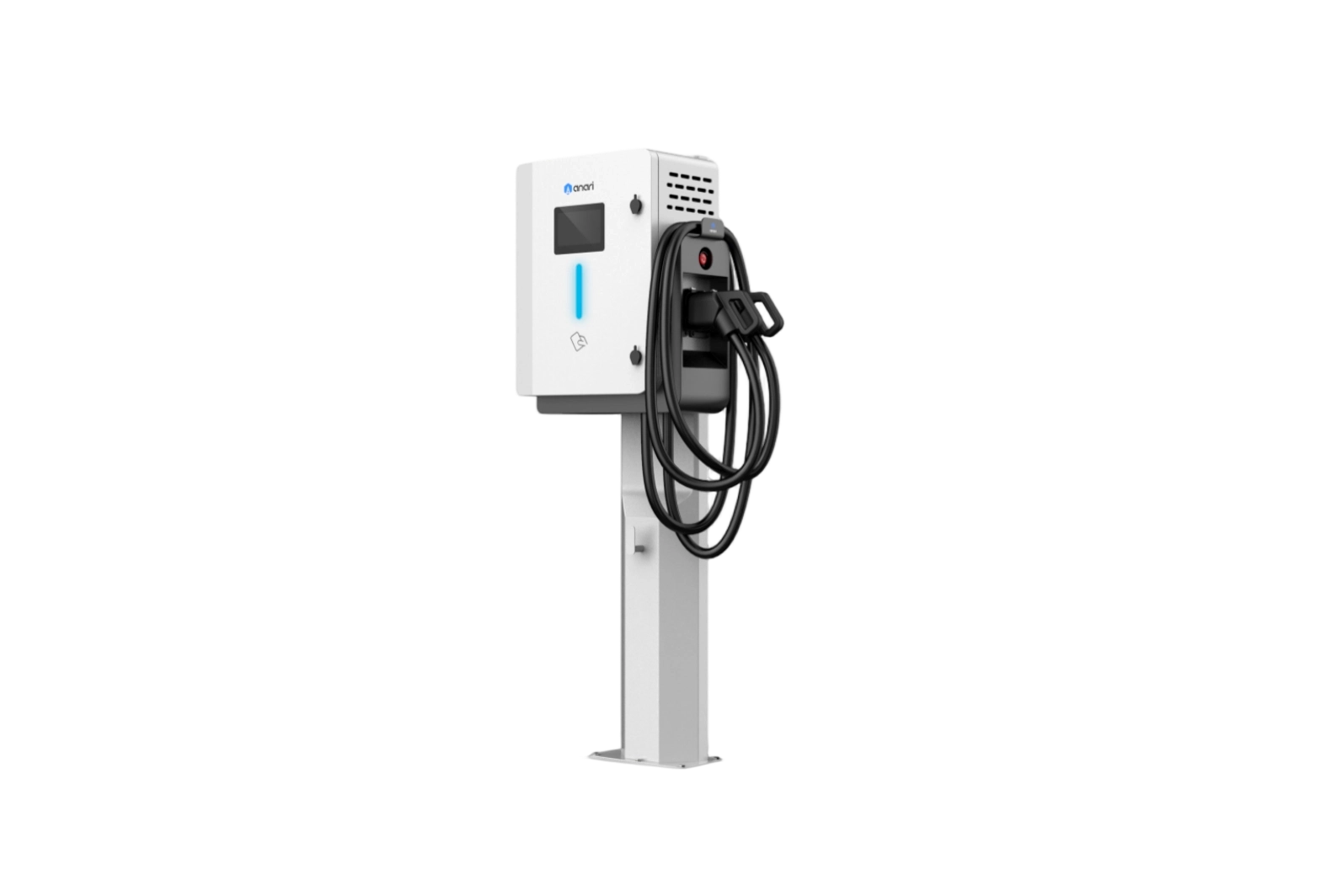




The global transition toward electrified transportation has shifted from a gradual trend into an inevitable reality. For institutional investors, property managers, and facility operators, the deployment of robust electric vehicle infrastructure is no longer a peripheral amenity but a core component of asset management. As corporate mandates prioritize sustainability and consumer adoption rates of electric vehicles surge, commercial real estate must adapt. Implementing comprehensive EV Charging Solutions is critical for maintaining property competitiveness, achieving environmental compliance, and unlocking new revenue streams.
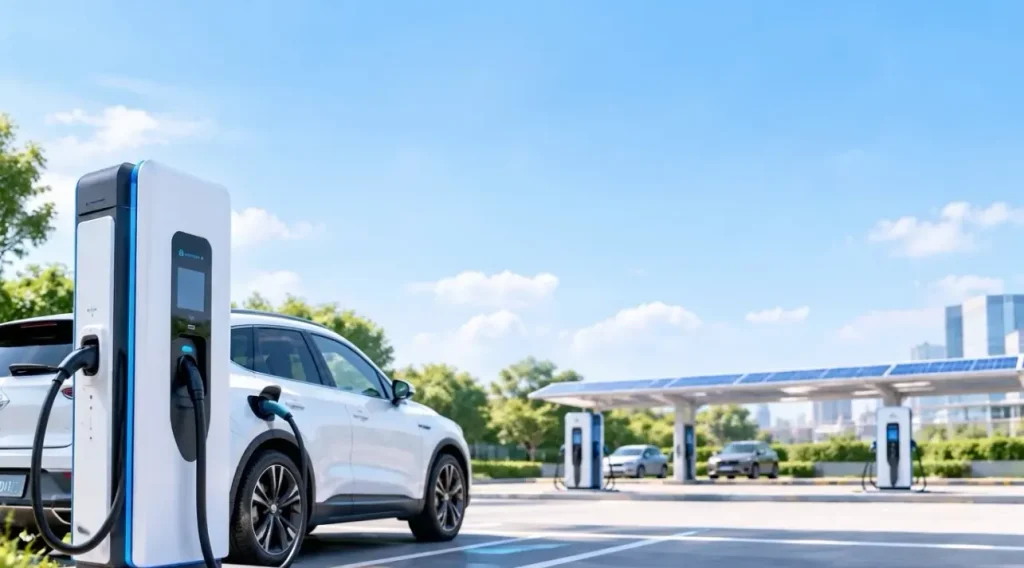
1. The Strategic Imperative for Electrification
The commercial real estate sector is currently navigating a complex matrix of environmental regulations and shifting market expectations. Corporate tenants are increasingly bound by Environmental, Social, and Governance (ESG) criteria, requiring them to report and reduce their Scope 3 greenhouse gas emissions. Commuting employees represent a significant portion of these emissions. By providing localized charging networks, property owners directly facilitate their tenants’ sustainability objectives.
Furthermore, building codes and municipal regulations across numerous jurisdictions are actively mandating “make-ready” electrical infrastructure for new developments and major renovations. Preemptively installing this hardware not only ensures regulatory compliance but shields asset owners from the exorbitant costs associated with retrofitting aging electrical systems under tight compliance deadlines. Ultimately, electrification acts as a hedge against asset obsolescence, ensuring that a facility remains viable and attractive in a rapidly decarbonizing economy.
2. Enhancing Tenant Value and Corporate Appeal
In the competitive landscape of corporate real estate, distinguishing a property requires amenities that directly impact the daily lives of its occupants. For operators of expansive business parks, the availability of reliable, on-site charging is rapidly becoming a non-negotiable requirement for high-tier corporate tenants during lease negotiations.
Attracting Premium Lessees
Forward-thinking companies utilize workplace charging as a vital tool for talent acquisition and employee retention. Human resources departments recognize that employees suffering from “range anxiety” prioritize workplaces that offer daytime charging capabilities. When a property owner integrates this technology, they are essentially providing a highly sought-after HR benefit on behalf of their tenants. This alignment of interests translates to higher occupancy rates, increased tenant stickiness, and the justification of premium lease rates.
Improving Dwell Time and Asset Utilization
For mixed-use developments that combine office space with retail or dining options, charging infrastructure serves as a powerful magnet for affluent consumers. EV drivers represent a demographic that typically possesses higher disposable income. By offering a place to replenish their batteries, facilities inherently increase the “dwell time” of these visitors. A driver utilizing a standard Level 2 unit will likely remain on-site for several hours, driving foot traffic to ancillary retail and food services within the complex.
3. Technological Landscape and Hardware Selection
Navigating the hardware ecosystem requires a precise understanding of vehicle dwell times, grid capacity, and user behavior. Selecting the incorrect hardware can lead to stranded assets or unmanageable utility bills.
Categorizing the Hardware
The primary decision matrix revolves around the speed of power delivery, measured in kilowatts (kW), and the type of current utilized (Alternating Current vs. Direct Current).
Level 1 (120V): Generally unsuitable for corporate environments due to negligible charging speeds (providing roughly 4-5 miles of range per hour).
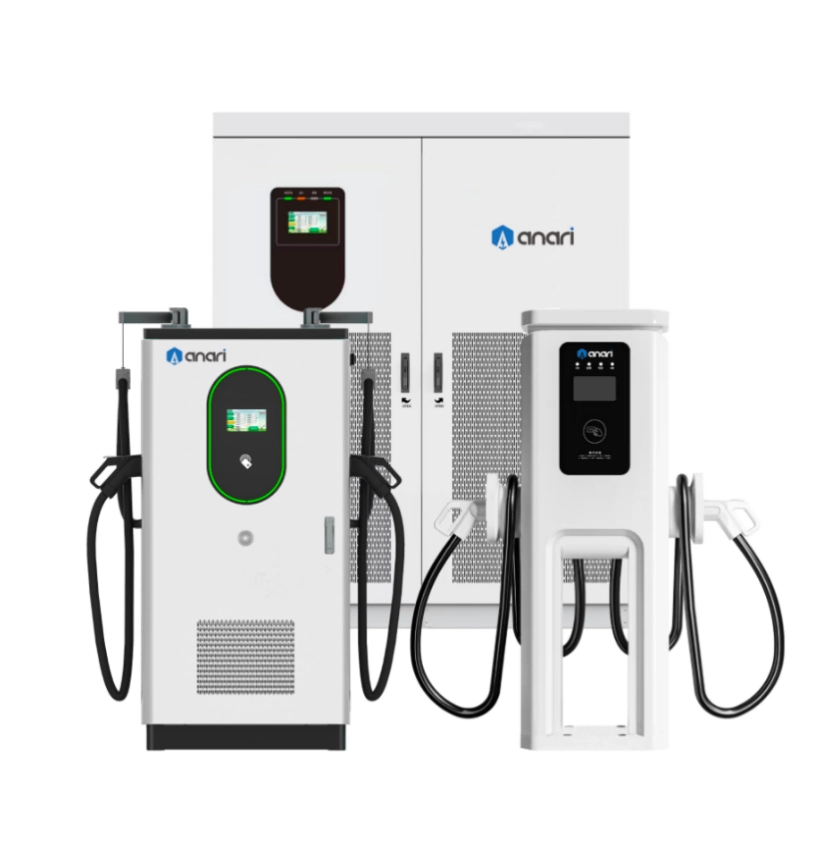
Level 2 (208V/240V): The undisputed backbone of workplace electrification. Operating on standard commercial three-phase electrical architectures, these units deliver between 7kW and 19kW. They are ideal for vehicles remaining stationary for four to eight hours.
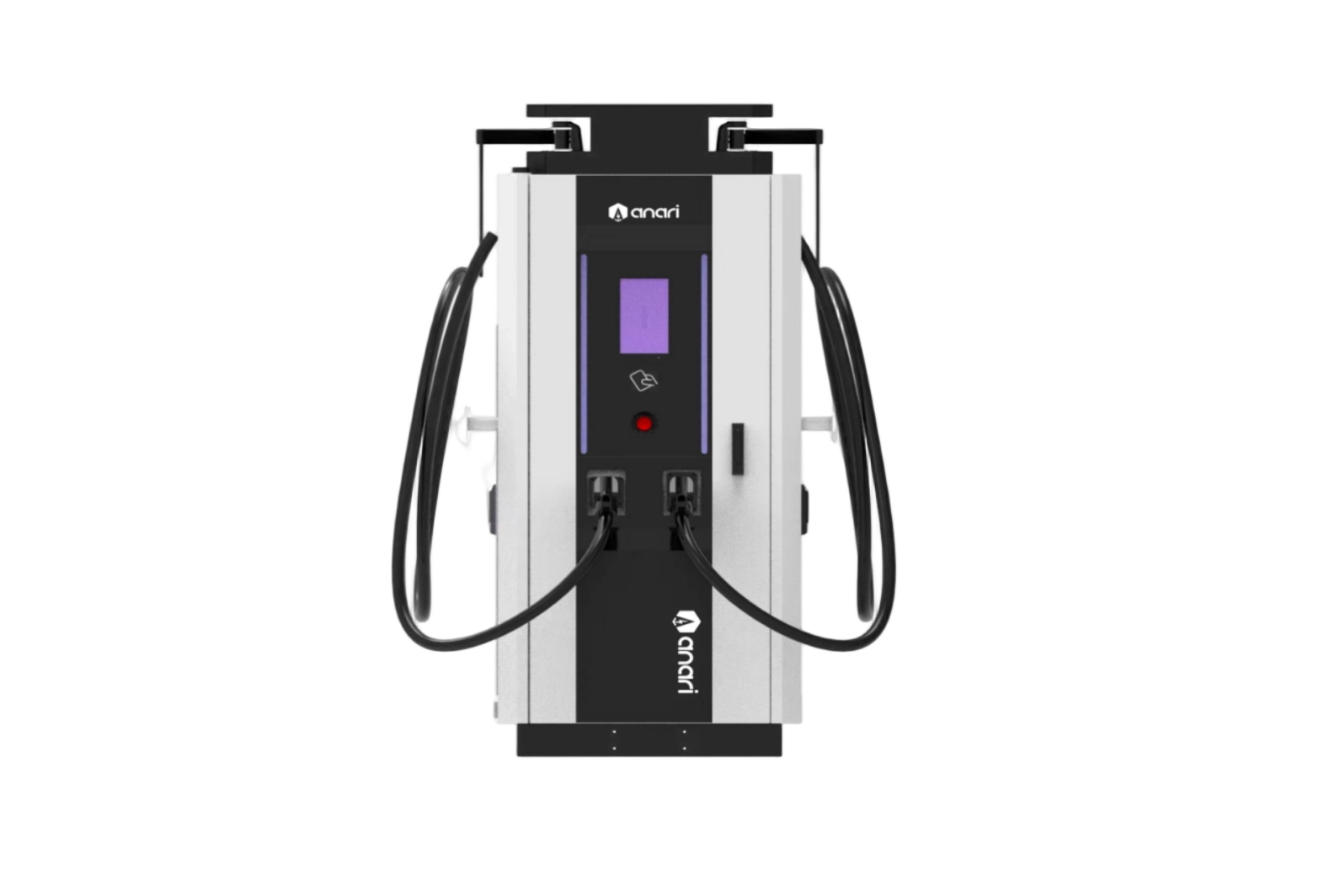
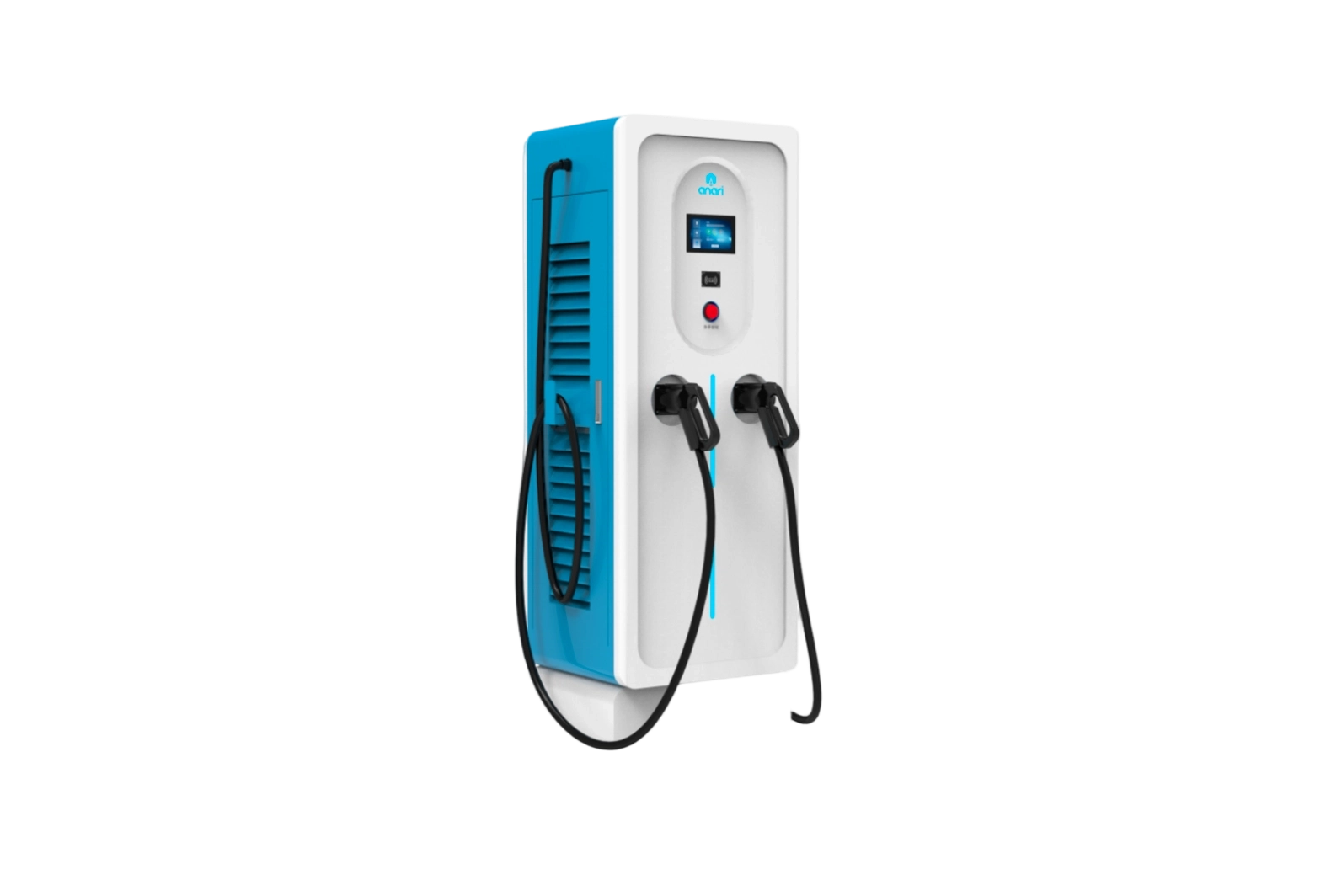
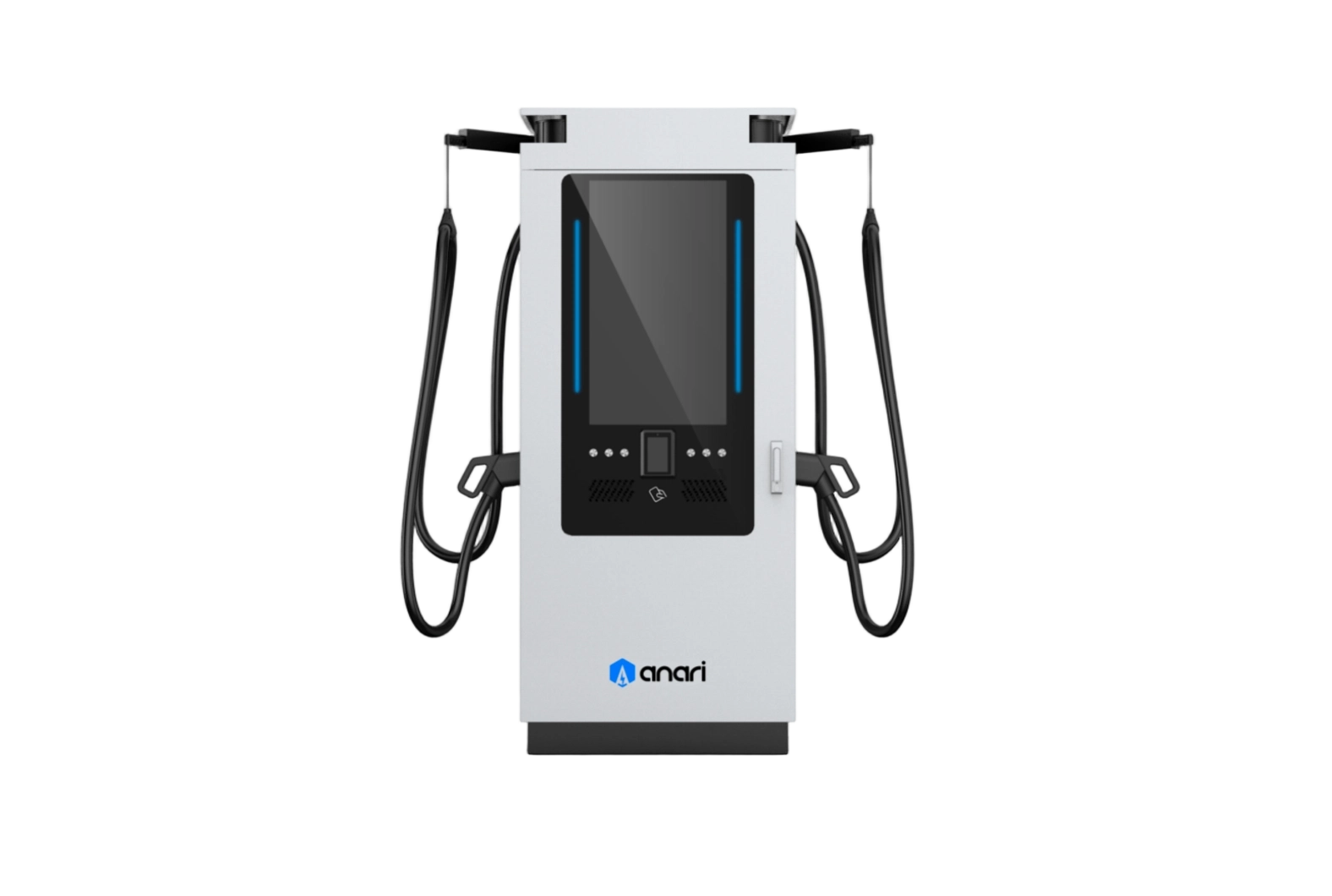
DC Fast Charging (400V/800V+): Bypassing the vehicle’s onboard converter, these stations deliver direct current straight to the battery. Capable of outputs ranging from 50kW to over 350kW, they are suited for short-term visitor spaces, fleet logistics hubs, or highway-adjacent retail.
Hardware Comparison Matrix
| Specification | Level 2 (AC) | DC Fast Charging (DCFC) |
| Typical Power Output | 7.2 kW – 19.2 kW | 50 kW – 350+ kW |
| Electrical Requirement | 208/240V, 30-80 Amps, Single/Three Phase | 480V+, Three Phase, High Amperage |
| Range Added per Hour | 25 – 40 miles | 150 – 500+ miles (or 80% charge in 20-40 mins) |
| Hardware Cost (Per Port) | $1,500 – $4,000 | $30,000 – $100,000+ |
| Installation Complexity | Moderate (Standard conduit/breakers) | High (Often requires dedicated transformers/switchgear) |
| Ideal Corporate Use Case | Employee parking, fleet overnight charging | Short-term visitors, delivery logistics, public retail |
4. Financial Strategies and Revenue Generation
Deploying infrastructure requires substantial capital expenditure, but it presents unique opportunities for direct and indirect financial returns. Modern networked systems allow operators to transition charging from a sunk amenity cost into a dynamic revenue center.
Direct Monetization Models
Advanced management software enables highly customizable billing structures. Facility managers can implement tiered pricing paradigms based on precise user demographics. For instance, employees might pay a subsidized rate equal to the local utility cost, while public visitors pay a premium margin.
Furthermore, time-based idling fees can be enforced. Once a vehicle reaches maximum battery capacity, the software can trigger an escalating per-minute charge. This ensures high turnover and prevents “campers” from monopolizing valuable spaces, thereby maximizing the utilization and financial yield of each physical port.
Navigating Utility Tariffs and Demand Charges
The most significant financial risk in electrification is misunderstanding commercial utility structures. Unlike residential billing, commercial properties are often subjected to “Demand Charges.” This fee is based on the single highest peak of electricity usage (measured in kW) during a billing cycle. If multiple vehicles plug in simultaneously at 8:00 AM, the resulting spike can trigger exorbitant demand penalties, instantly negating any revenue generated from the drivers. Mitigating this requires intelligent software intervention, which is discussed in later sections.
Subsidies and Tax Incentives
The ROI timeline can be drastically compressed by leveraging available financial incentives. In many regions, federal frameworks (such as the US Inflation Reduction Act’s 30C tax credit) provide substantial offsets. Additionally, state-level environmental agencies and local utility providers frequently offer lucrative rebate programs that can cover up to 80% of both hardware and “make-ready” installation costs.
5. Site Planning, Grid Integration, and Civil Works
The physical installation phase is often the most complex, expensive, and time-consuming aspect of deployment. A meticulous site assessment is vital for minimizing civil engineering costs and avoiding catastrophic project delays.
Evaluating Existing Electrical Topology
Before breaking ground on commercial parking lots, a certified electrical engineer must conduct a comprehensive load calculation. This determines the surplus capacity available on the facility’s existing switchgear and transformers. If capacity is constrained, operators face a critical choice: execute a costly utility service upgrade (which can take months or years due to supply chain bottlenecks) or deploy smart load-balancing software to operate within current limits.
Civil Engineering and Trenching
The physical distance between the electrical room and the final station destination heavily dictates the budget. Trenching through asphalt or concrete, laying conduit, and repaving are highly capital-intensive. To optimize expenditures, planners should group charging stations into centralized “islands” rather than dispersing them randomly across the property. This minimizes conduit runs and simplifies future maintenance.
Accessibility and ADA Compliance
Site planning must strictly adhere to local accessibility standards (such as the Americans with Disabilities Act in the US). A designated percentage of electrified spaces must feature wider dimensions, accessible access aisles, and precise screen height requirements. Failure to incorporate these civil requirements during the initial architectural design phase invites severe legal liabilities and expensive retroactive modifications.
6. Network Management, Software, and Cybersecurity
The distinction between a “dumb” charger and a networked smart station dictates the operational success of the entire project. Modern infrastructure relies entirely on robust backend cloud platforms.
Dynamic Load Balancing (DLB)
As mentioned regarding demand charges, DLB is the crucial defense mechanism for the local grid. When a site reaches its predetermined maximum electrical capacity, DLB software intelligently throttles the power output distributed to each active vehicle. Instead of four vehicles charging at 100% capacity and tripping a breaker, the system might limit them to 75% capacity. This ensures grid stability, entirely circumvents costly peak utility penalties, and negates the need for massive transformer upgrades.
Interoperability and the OCPP Standard
When procuring networked software, operators must demand strict adherence to the Open Charge Point Protocol (OCPP). OCPP acts as a universal translator between the hardware and the software management system. Purchasing closed-network, proprietary hardware locks the property owner into a single vendor’s ecosystem. If that vendor increases their software subscription fees or files for bankruptcy, the physical hardware becomes useless. OCPP compliance guarantees interoperability, allowing operators to freely migrate their network to a different software provider at any time while retaining their original hardware investment.
Access Control and Authentication
Securing the network against unauthorized usage is paramount. Modern management dashboards allow administrators to whitelist specific users via RFID cards, mobile applications, or corporate single sign-on (SSO) integrations. This granular control ensures that exclusive employee spaces remain secure, while generating detailed analytics regarding usage patterns, average session durations, and total carbon offset metrics for corporate ESG reporting.
7. Future-Proofing and Emerging Technologies
The electrification ecosystem is iterating at a blistering pace. Capital investments made today must account for the technological realities of the next decade.
Implementing Make-Ready Infrastructure
When executing current civil works, operators should adopt an aggressive “make-ready” strategy. Even if a facility only requires ten active ports today, operators should lay oversized conduit, pull heavy-gauge wire, and pour foundational pads for an additional thirty ports. The marginal cost of laying extra PVC pipe during an open trenching phase is minuscule compared to the massive expense of tearing up the asphalt a second time three years later.
Vehicle-to-Grid (V2G) Integration
Looking forward, electric vehicles will cease to be merely transportation appliances and will function as rolling energy storage systems. V2G technology allows bidirectional power flow. During peak utility pricing hours (e.g., hot summer afternoons), the building management system can draw fractional amounts of energy back from parked employee vehicles to shave peak facility demand. The employees are financially compensated for this energy via the network software. Ensuring that newly acquired hardware is ISO 15118 compliant is the first step toward enabling this bidirectional future.
Conclusion
The integration of electrified infrastructure into corporate and retail environments represents a fundamental shift in asset management. It is an intricate convergence of electrical engineering, civil planning, software administration, and financial strategy. By carefully selecting scalable hardware, deploying intelligent load-balancing networks, and structuring agile monetization models, property operators can transform dormant asphalt into dynamic, revenue-generating assets. Ultimately, proactive deployment ensures regulatory resilience, elevates the corporate brand, and solidifies a property’s standing in a rapidly evolving, zero-emission future.
Anari Turnkey AI Charging Station Solution

We don’t sell EV chargers.
We deliver the capability
to build a charging network.
Full-stack turnkey EV charging station solution for local
entrepreneurs in emerging markets. AI agent–powered
EV charging station turnkey project delivery across
the complete charging infrastructure lifecycle — from
site feasibility assessment to ongoing operations.
FAQ
Can we utilize our current electrical capacity, or are expensive utility upgrades mandatory?
In many scenarios, you can avoid costly utility upgrades by implementing smart software equipped with Dynamic Load Balancing (DLB). This technology monitors your building’s real-time energy usage and dynamically throttles the power sent to the chargers during peak building loads, ensuring you never exceed your existing grid limits or incur demand charge penalties.
How do we prevent unauthorized users from occupying restricted employee charging spaces?
Networked smart stations feature robust access control mechanisms. You can secure specific ports using whitelisted RFID cards, a proprietary smartphone app, or integrations with your corporate security system. The backend software allows you to grant, revoke, and monitor access instantly, ensuring only authorized tenants or staff can initiate a session.
What happens if our software provider goes out of business or raises their prices drastically?
To protect your hardware investment from vendor lock-in, it is crucial to purchase equipment that is fully compliant with the Open Charge Point Protocol (OCPP). OCPP is a global, open-source standard. If you are dissatisfied with your current software vendor, OCPP compliance allows you to seamlessly migrate your physical stations to an entirely different backend software provider without replacing the actual machines.