



Table of Contents
The global transition to electric mobility has fundamentally altered traveler expectations. For the modern hospitality sector, offering electric vehicle (EV) infrastructure is no longer merely a niche sustainability initiative or a luxury amenity; it has become a critical operational requirement and a primary filter used by guests when booking accommodations. As property owners and management groups look to electrify their parking facilities, they are confronted with a significant technical and financial decision: choosing the right hardware.
This comprehensive guide explores the core differences between the two primary commercial options—AC Destination Charging and DC Fast Charging—analyzing their respective benefits, ideal use cases, financial implications, and how hoteliers can implement a strategy that maximizes return on investment (ROI) while elevating the guest experience.
1. The Paradigm Shift in Hospitality Amenities
Historically, hotel amenities were defined by swimming pools, high-speed Wi-Fi, and complimentary breakfasts. Today, the ability to refuel a vehicle while sleeping has entered that essential tier. EV drivers actively utilize mapping applications and booking platforms that filter out properties lacking charging capabilities. If a hotel cannot alleviate a driver’s “range anxiety,” that guest will simply book a stay with a competitor who can.
However, installing charging infrastructure requires navigating complex electrical engineering, evaluating capital expenditure, and understanding the distinct charging behaviors of different guest profiles. The fundamental choice rests between Level 2 AC (Alternating Current) systems and Level 3 DC (Direct Current) fast chargers. Understanding the mechanics and business cases for both is the first step toward a profitable deployment.
2. Understanding the Mechanics: AC vs. DC Power
Before delving into the business strategies, it is crucial to understand the technical distinction between how these two technologies deliver power to an electric vehicle.
Batteries store energy as Direct Current (DC). However, the electrical grid transmits power as Alternating Current (AC). Therefore, at some point between the grid and the battery, the AC power must be converted to DC.
AC Charging (Level 2): In an AC system, the conversion happens inside the vehicle itself. The charging station acts primarily as an intelligent conduit, delivering AC power safely to the car’s onboard charger, which then converts it to DC to store in the battery. Because onboard chargers have size and weight limitations, the conversion rate (and thus the charging speed) is bottlenecked.
DC Fast Charging (Level 3): A DC station handles the AC-to-DC conversion internally, before the power ever reaches the vehicle. These stations are essentially massive external power converters. By bypassing the vehicle’s onboard constraints, DC chargers can deliver electricity directly to the battery at exceptionally high speeds.
3. AC Destination Charging: The Hospitality Standard
For the vast majority of lodging facilities, Level 2 AC charging represents the most logical, cost-effective, and practical solution. It perfectly aligns with the standard operational model of a hotel: guests arrive, park their vehicles, and stay for an extended period.
The Business Case for AC Systems
- Alignment with Guest Dwell Time: The typical overnight stay provides a natural dwell time of eight to twelve hours. An AC charger, typically delivering between 7kW and 22kW of power, can easily replenish a standard EV battery from 10% to full within this overnight window. The guest wakes up to a fully charged vehicle, resulting in high satisfaction.
- Lower Capital Expenditure: The hardware and installation costs for Level 2 chargers are exponentially lower than their DC counterparts. A commercial-grade AC unit is relatively affordable, and the necessary electrical upgrades (usually requiring a standard 240V circuit in North America or standard three-phase power in Europe) are manageable for most existing commercial properties.
- Scalability: Because AC units draw less power, hoteliers can install multiple ports without immediately triggering massive utility grid upgrades. This allows properties to electrify a larger percentage of their parking spaces, serving multiple guests simultaneously.
- Minimal Battery Degradation: Slower AC charging generates less heat and places less stress on the vehicle’s battery chemistry compared to frequent ultra-fast charging, which is a subtle but appreciated benefit for meticulous vehicle owners.
Ideal Use Cases for AC
- Resorts and destination hotels where guests stay for multiple days.
- Standard business and leisure hotels accommodating overnight guests.
- Properties with limited electrical grid capacity.
4. DC Fast Charging: Premium Speed for Transient Guests
While AC fits the standard overnight model, DC Fast Charging serves an entirely different demographic and business purpose. Operating at power levels typically ranging from 50kW to 350kW (or more), these stations can charge a vehicle to 80% capacity in 20 to 45 minutes.
The Business Case for DC Systems
- Capturing Transient and Highway Traffic: If a property is located near a major interstate or highway corridor, a DC fast charger can attract non-guests who need a quick top-up. While charging, these travelers represent a captive audience likely to spend money at the hotel’s restaurant, coffee shop, or convenience store.
- Rapid Turnover for Valet Operations: For luxury properties in dense urban environments relying on valet parking, space and time are premium commodities. A 50kW DC charger allows the valet team to rotate multiple guest vehicles through a single charging bay throughout the day and night, maximizing efficiency.
- Visible Commitment to Innovation: High-power DC stations are large, highly visible pieces of infrastructure. Hosting them signals a property’s premium status and commitment to cutting-edge technology, potentially serving as a marketing tool.
The Challenges of DC Implementation
The primary barrier to DC fast charging is cost. The hardware alone can be tens of thousands of dollars. More significantly, the installation often requires trenching, laying heavy-duty conduit, and upgrading transformers. Furthermore, drawing such massive amounts of power can trigger “demand charges” from utility companies, drastically increasing operational expenditure if not managed with smart energy software.
Ideal Use Cases for DC
- Highway-adjacent motels and transit hubs.
- Properties with a high volume of daytime restaurant or conference attendees.
- Luxury urban hotels requiring rapid valet turnover.
5. Comparative Analysis: Aligning Hardware with Strategy
To assist property managers in making an informed decision, the following table breaks down the core metrics comparing the two technologies in a commercial hospitality context.
| Feature / Metric | AC Destination Charging (Level 2) | DC Fast Charging (Level 3) |
| Typical Power Output | 7 kW – 22 kW | 50 kW – 350+ kW |
| Time to Full Charge | 4 to 10 hours | 20 to 45 minutes (to 80%) |
| Initial Hardware Cost | Low to Moderate | Exceptionally High |
| Installation Complexity | Standard commercial electrical work | Heavy engineering, potential transformer upgrades |
| Primary Target User | Overnight guests, long-term parkers | Highway travelers, daytime visitors, quick-service |
| Grid Impact | Low to Moderate (manageable with load balancing) | High (may incur utility demand charges) |
| Scalability | High (easy to deploy across many parking bays) | Low (cost-prohibitive to deploy at high volume) |
Charging Speed Comparison
Interactive simulation of typical AC Destination vs. DC Fast Charging times for an average EV battery.
6. Strategic Implementation and Monetization
Choosing between AC and DC is not always a binary decision. Forward-thinking hospitality brands are increasingly adopting a hybrid approach to maximize their infrastructure’s utility.
The Hybrid Strategy
A mid-sized hotel might install ten Level 2 AC ports to cater to their overnight guests, ensuring that the primary customer base is satisfied. Simultaneously, they might install one 75kW DC fast charger near the entrance or restaurant. This single fast charger serves transient guests passing through for lunch, supports quick valet top-ups, and acts as a beacon on EV mapping networks to draw in off-highway traffic.
Monetization and Software Management
Regardless of the hardware chosen, intelligent management software—utilizing the Open Charge Point Protocol (OCPP)—is mandatory for commercial operations. This software enables hoteliers to implement customized monetization strategies.
Many properties choose to offer AC charging as a complimentary perk to drive bookings, treating it similarly to free Wi-Fi. Others choose to recover electricity costs by charging a flat overnight fee or a per-kWh rate. With DC fast chargers, the industry standard is almost universally to charge a premium per-kWh rate to generate a direct revenue stream, given the high upfront investment.
Furthermore, intelligent software allows for dynamic load balancing. If a hotel has limited grid capacity, the software can distribute the available power evenly across multiple AC chargers, preventing the property from exceeding its electrical limits and avoiding steep utility penalties. It also allows integration with a brand’s loyalty program, offering free charging to elite members while charging standard rates to transient users.
7. Future-Proofing the Property
The transition to electric mobility is accelerating, mandated by global governments and driven by consumer demand. When planning an installation, hoteliers must look beyond current requirements. Installing larger conduits than currently necessary during the initial trenching phase is a relatively inexpensive way to future-proof the site. As EV adoption grows, pulling new wires through existing oversized conduits to add more chargers is vastly cheaper than breaking ground a second time.
8. Conclusion
Integrating EV infrastructure is a strategic imperative for the modern hotelier. For the vast majority of properties, AC destination charging provides the highest ROI, perfectly matching the overnight dwell time of guests while keeping capital expenditures manageable. Conversely, DC fast charging offers a powerful tool for highway-adjacent properties and luxury urban centers looking to drive rapid turnover and attract ancillary revenue from transient drivers. By carefully assessing their specific guest demographics, location, and electrical capacity, hotels can deploy a tailored charging solution that not only meets the demands of today’s eco-conscious traveler but also drives long-term profitability.
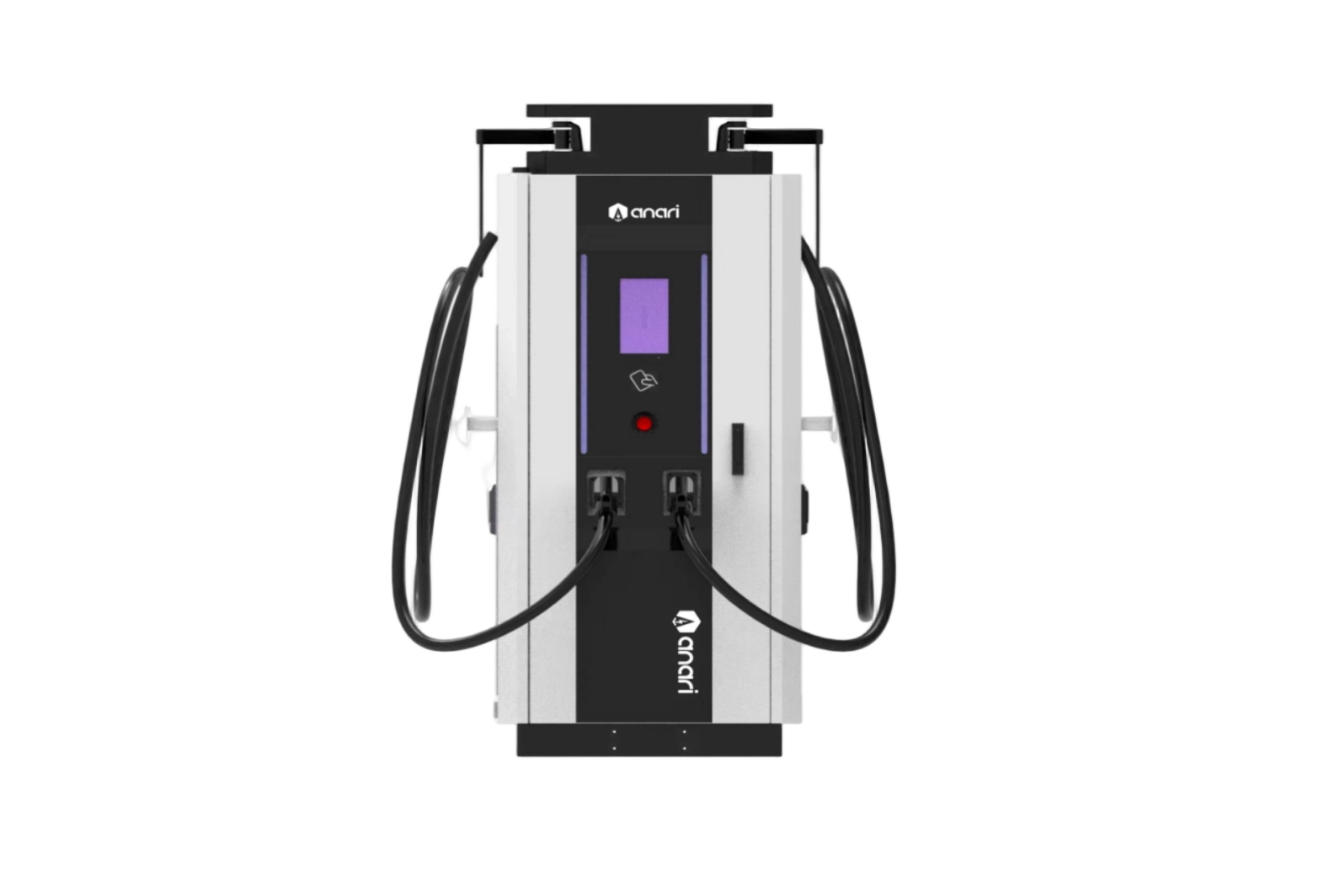
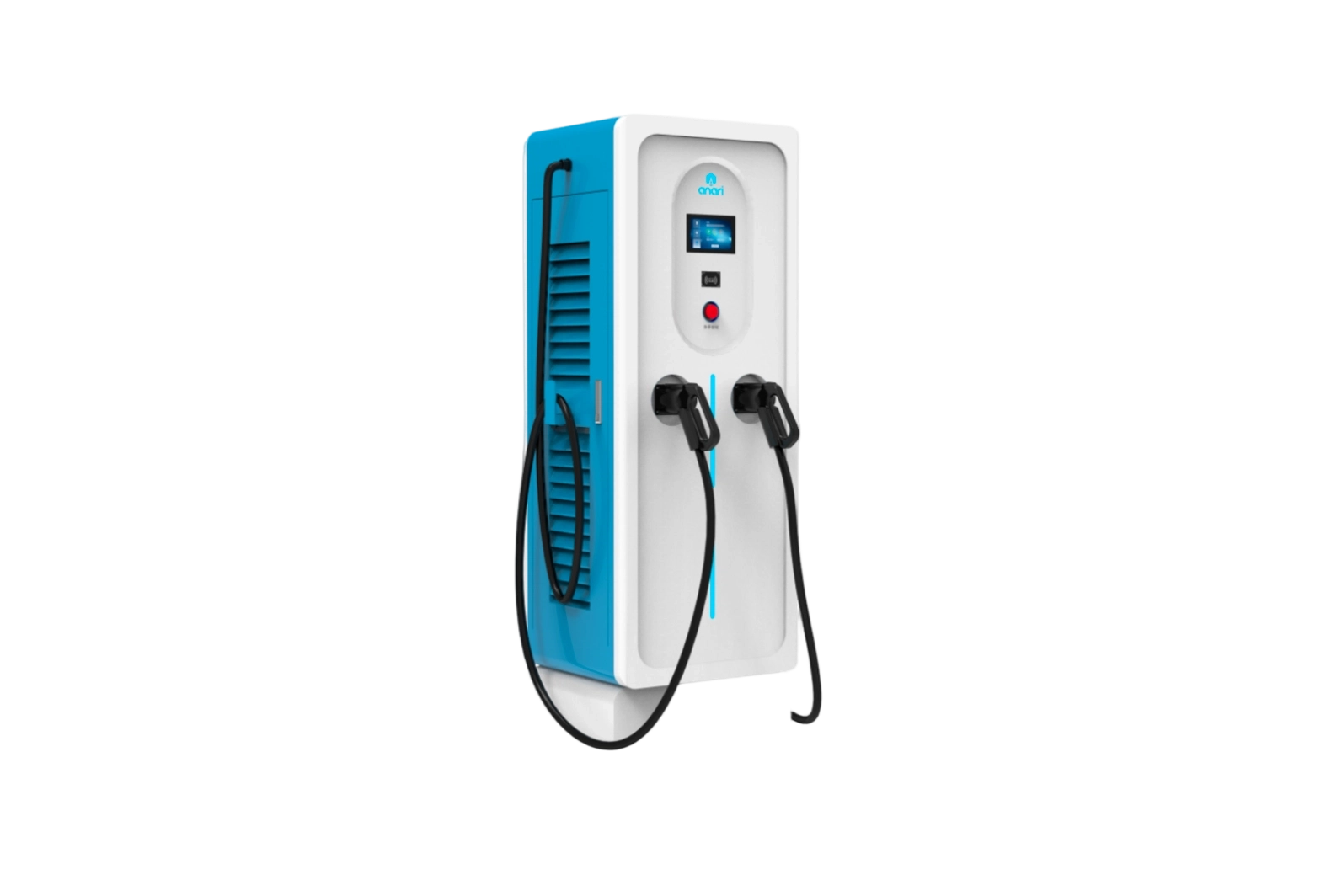
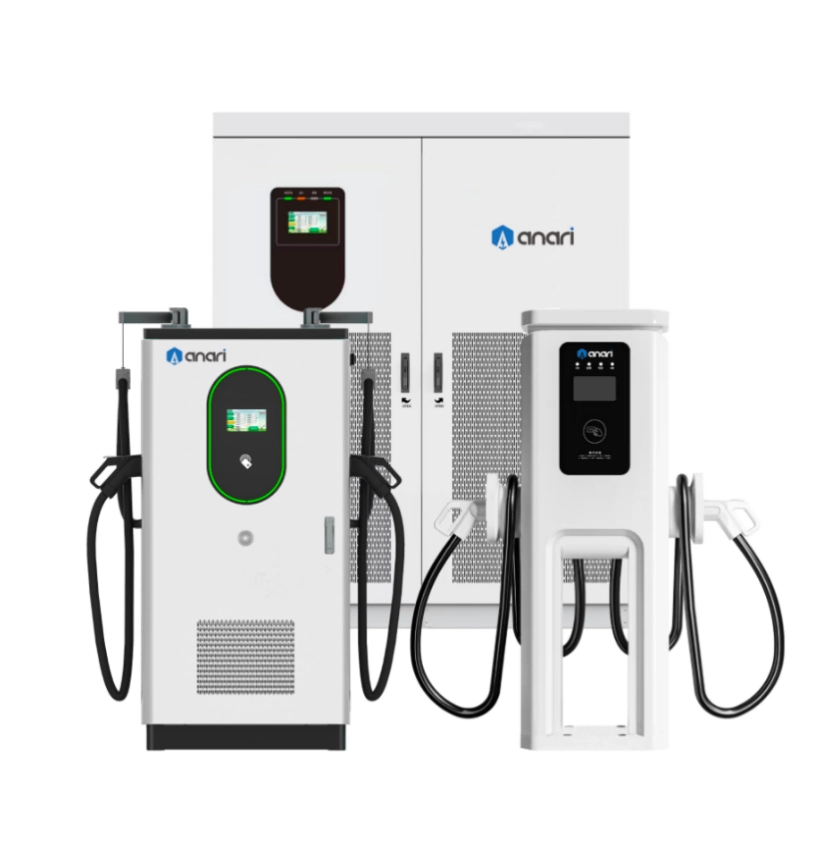
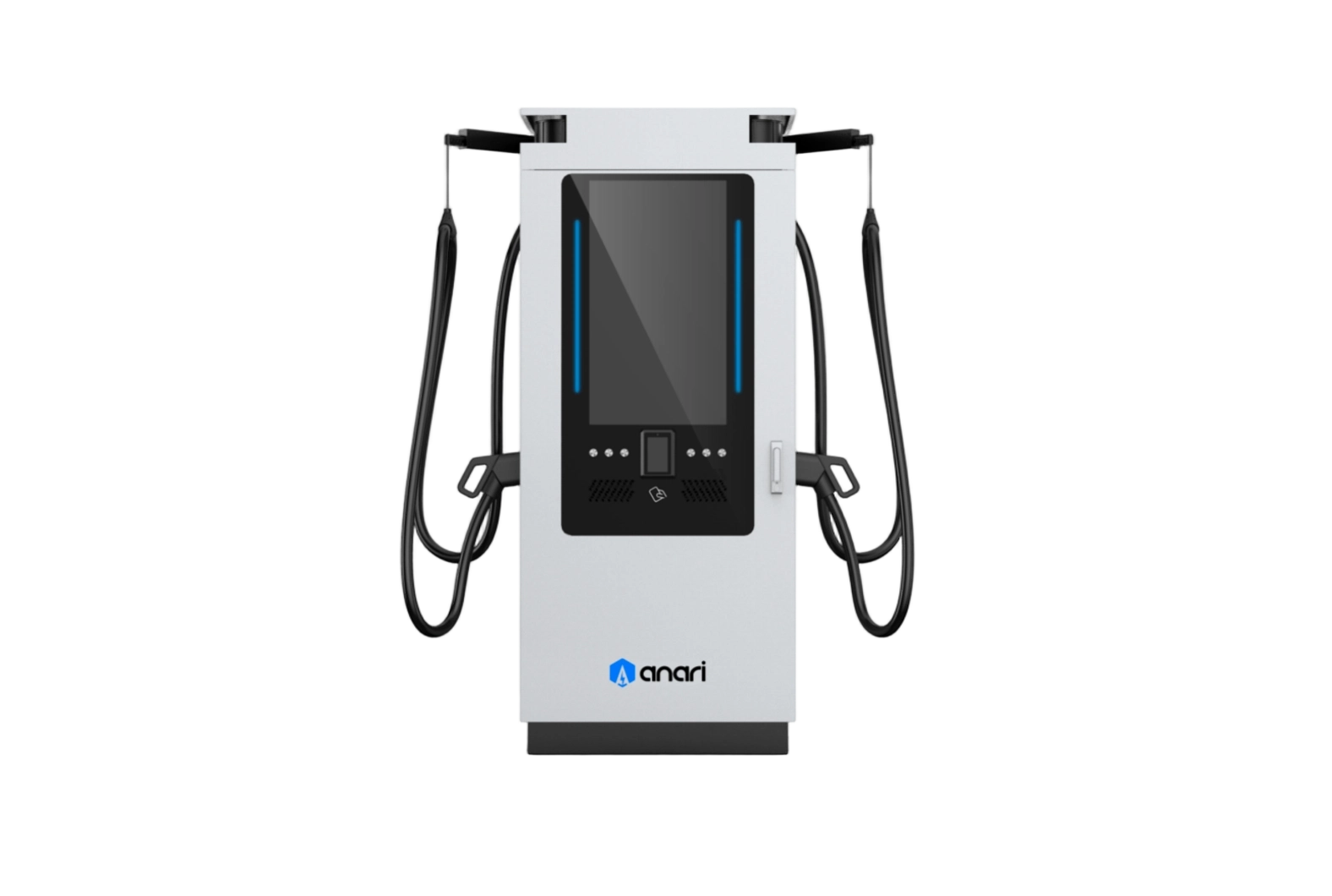
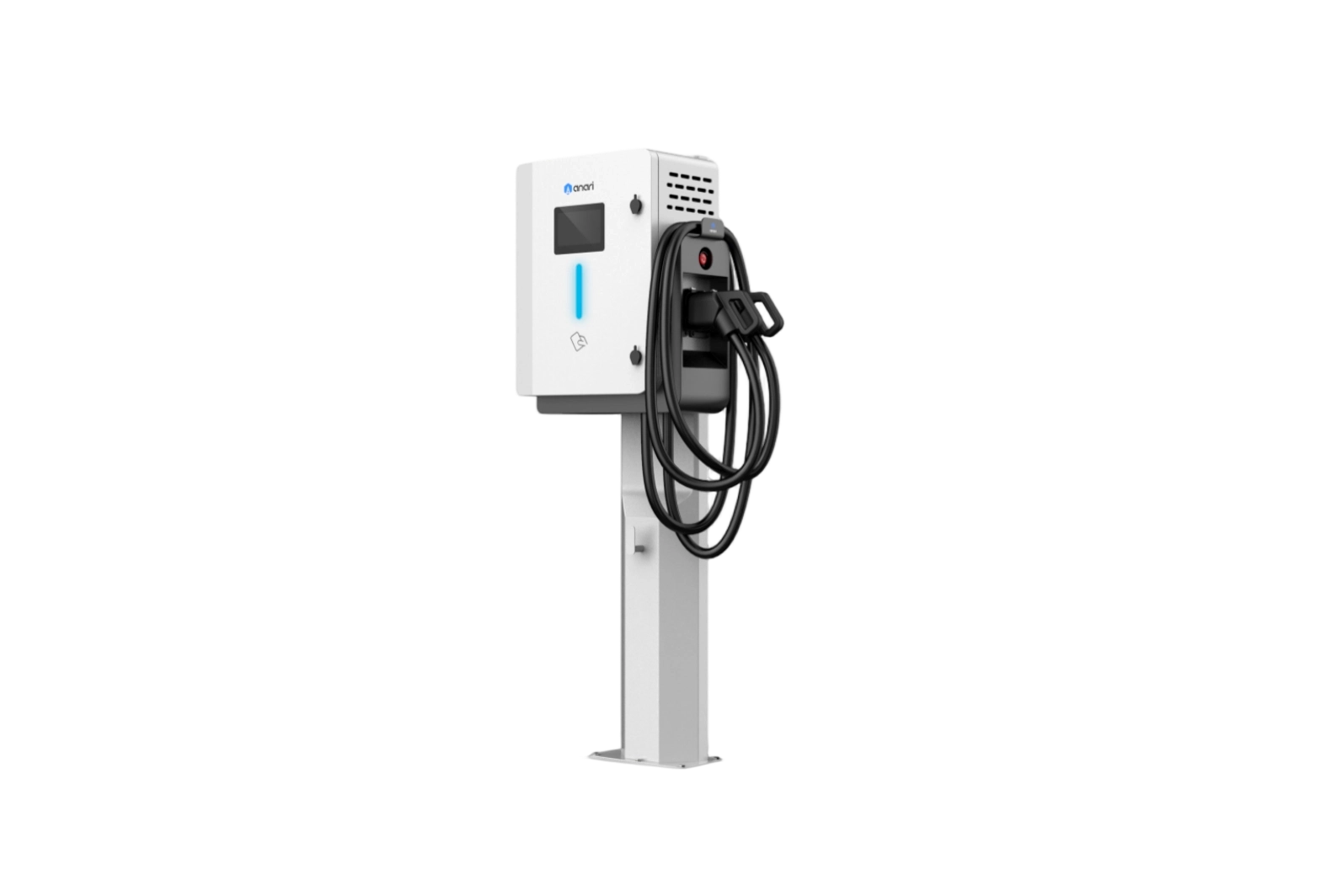
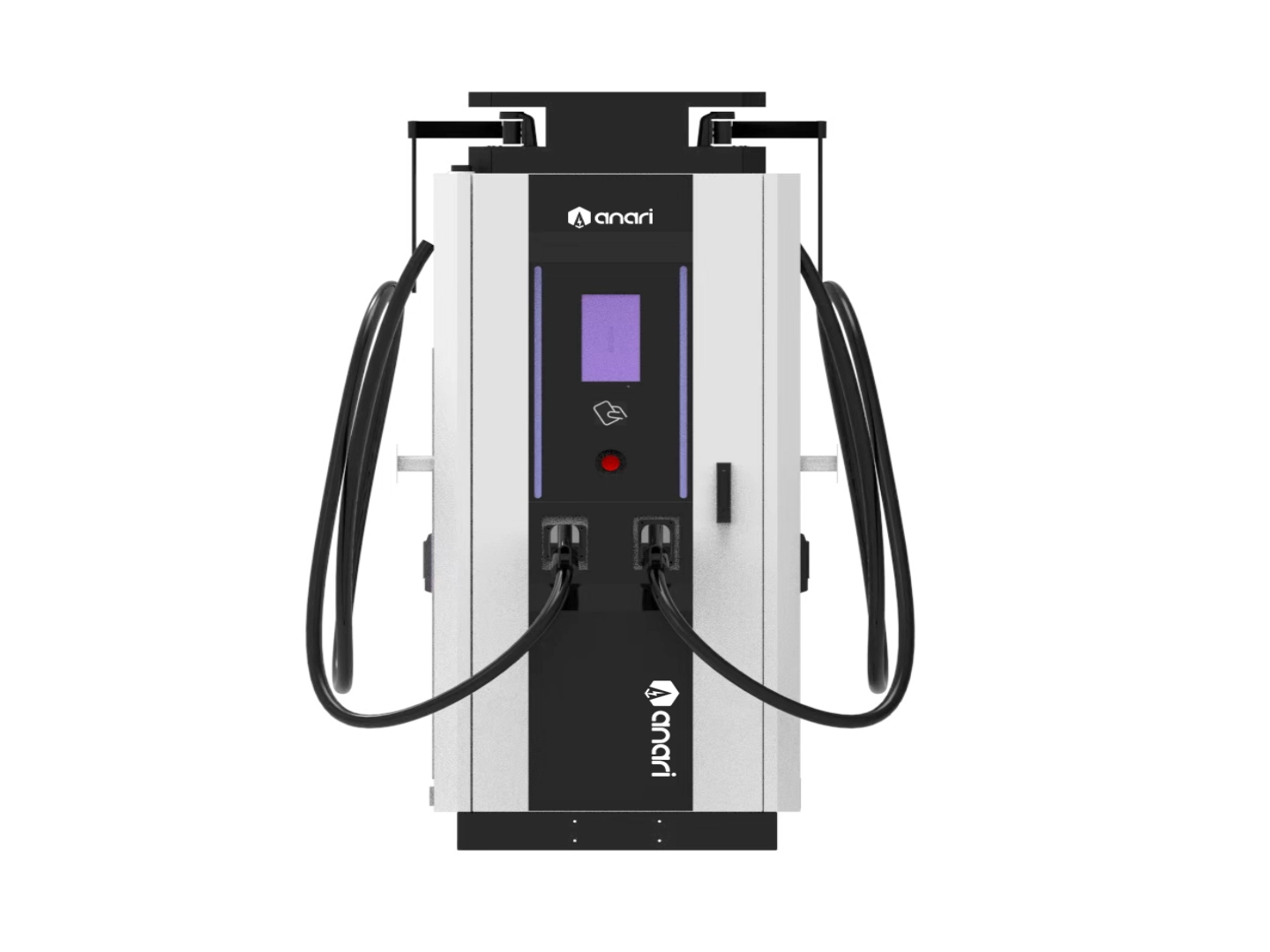
About Anari DC Charging Station
| Item | Parameter |
| Output Power | 60kW~480kW + AC 7kW / 22kW |
| Charging Mode | CCS2 & GB/T |
| Cable Length | 5m (8m and 10m optional) |
| User Authentication | APP, RFID (ISO/IEC 14443 A/B, ISO/IEC 15693, Mifare1 RFID), Credit Card (optional) |
| IP and IK Rating | IP54, IK08 |
| Operating Temperature Range | -30°C~+70°C (Power output reduces when temperature exceeds 50°C) |
FAQs
How much does it typically cost a hotel to install EV charging stations?
Costs vary wildly based on existing electrical capacity and the chosen technology. A commercial Level 2 AC station typically ranges from $1,500 to $4,000 per port for hardware and installation, assuming minor electrical upgrades. Conversely, a single DC fast charger can cost anywhere from $30,000 to over $100,000 when factoring in hardware, heavy-duty trenching, and utility transformer upgrades. Many regions offer substantial government grants and utility rebates that can offset these initial expenses by up to 50-80%.
Should our property charge guests for utilizing the EV stations?
This depends on your overall business model and the type of charger. For Level 2 AC overnight charging, many premium properties offer it as a complimentary amenity to drive direct bookings and increase nightly rates. Mid-scale properties often charge a moderate per-kWh fee or a flat overnight parking fee to recover electricity costs. For DC Fast Chargers, due to the high capital investment and premium speed, it is highly recommended to implement a per-kWh usage fee to generate a return on investment.
Can my existing hotel electrical infrastructure support DC fast chargers?
In most cases, standard commercial building infrastructure is not designed to support the massive, instantaneous power draw of a DC fast charger without upgrades. Attempting to do so can overload your electrical panels or trigger severe utility demand penalties. You will likely require a site assessment by an electrical engineer. Upgrading to support DC power often involves installing new dedicated circuits, advanced load-balancing software, and occasionally collaborating with your local utility provider to install a new transformer dedicated solely to the charging stations.