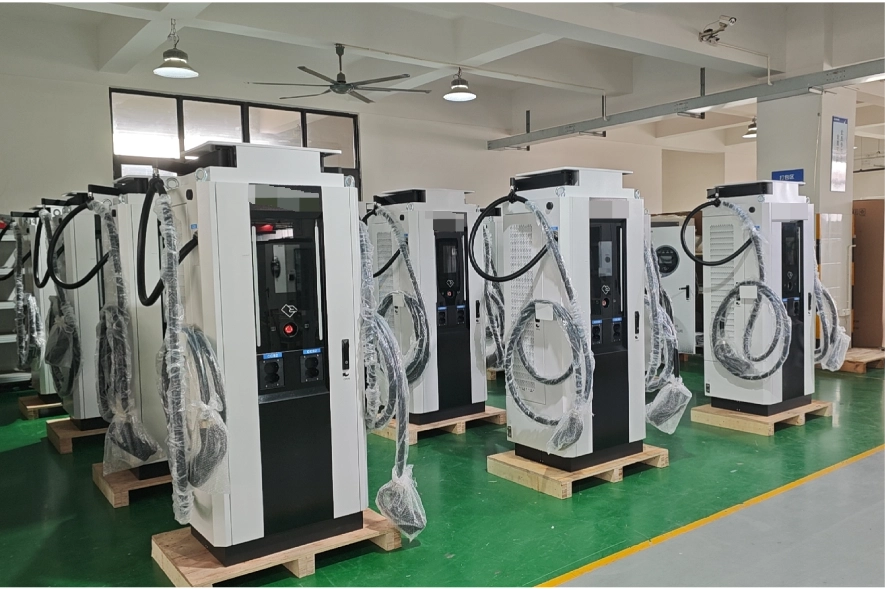
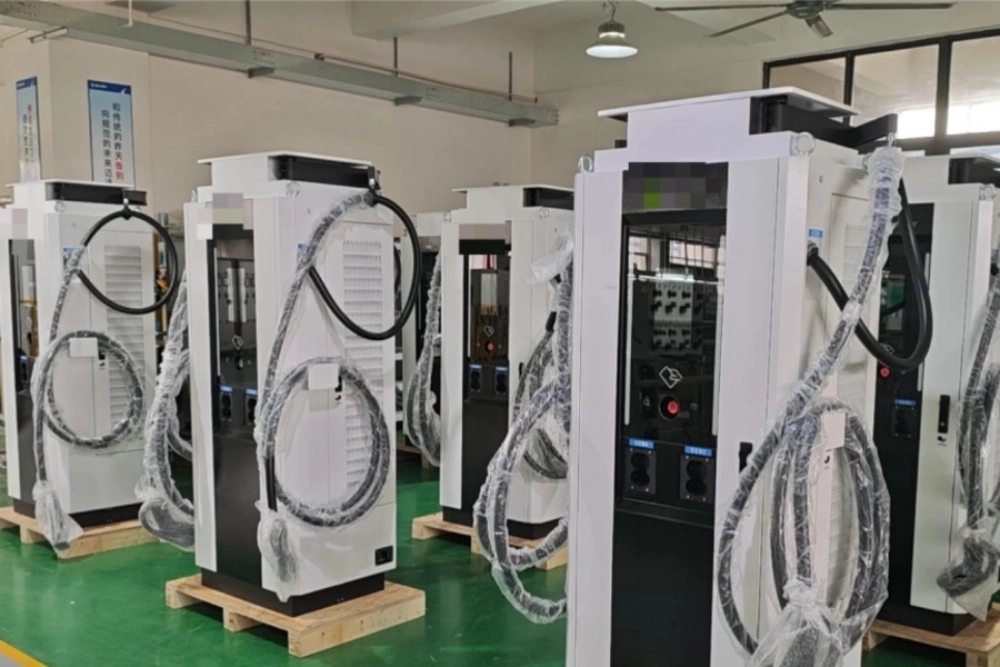
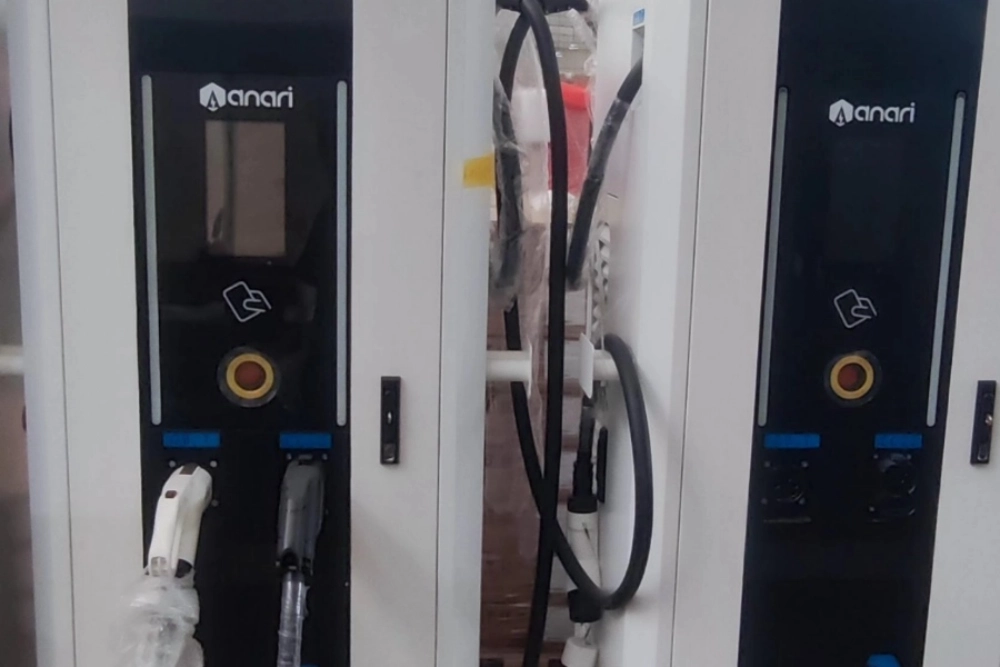
For this project, the customer selected Anari Energy’s 120kW DC Fast Charging Station, configured with both GBT and CCS2 charging connectors. This multi-standard charging capability is particularly important in the Cambodian market, where electric vehicles are sourced from a variety of regions, including China, Europe, and neighboring Southeast Asian countries. By supporting multiple charging standards within a single platform, the charging station can accommodate a broader range of EV models, ensuring greater accessibility and convenience for all users.
Addressing the Diverse Charging Needs of Cambodia’s Emerging EV Market
Cambodia’s electric vehicle market is currently in a period of rapid development. Increasing environmental awareness, rising fuel costs, and government initiatives aimed at reducing carbon emissions are encouraging greater interest in electric mobility. As EV adoption grows, the need for reliable and widely accessible charging infrastructure has become increasingly important.
One of the unique characteristics of Cambodia’s EV market is the diversity of vehicle brands and charging standards. Public charging networks must be capable of serving vehicles imported from different regions to ensure a seamless charging experience for drivers. Anari Energy’s multi-standard DC charging solution effectively addresses this challenge by supporting both GBT and CCS2 interfaces, reducing compatibility barriers and helping operators maximize charger utilization.
The addition of 7–22kW Type 2 AC charging stations further strengthens the charging ecosystem by providing convenient charging options for locations where vehicles typically remain parked for extended periods, such as office buildings, hotels, shopping centers, residential communities, and public parking facilities.
Building a Comprehensive Charging Network for Long-Term Growth
The combination of DC fast chargers and AC public charging stations creates a balanced infrastructure model that supports multiple charging scenarios. The 120kW DC fast charger enables rapid charging for drivers seeking to minimize downtime, while the AC charging stations provide an economical and practical solution for daily charging needs.
For Charge Point Operators (CPOs) and site owners, this diversified deployment strategy helps attract a broader range of EV users while improving charging network coverage and operational flexibility. By offering both fast and standard charging services, operators can better meet the evolving needs of Cambodia’s growing electric vehicle community.
Supporting Cambodia’s Energy Transition and Sustainable Development Goals
The launch of this project has attracted significant attention from Cambodian government authorities, reflecting the country’s increasing commitment to sustainable development and clean energy adoption. As Cambodia works to reduce its dependence on traditional fossil-fuel-based transportation and advance its environmental objectives, EV charging infrastructure is becoming a key enabler of this transformation.
The deployment of modern charging solutions not only supports the expansion of electric mobility but also contributes to broader national goals related to carbon reduction, energy diversification, and urban sustainability. By making EV ownership more practical and convenient, charging infrastructure helps accelerate the adoption of cleaner transportation technologies across the country.
Anari Energy’s Commitment to Southeast Asia’s EV Future
This project represents another important milestone in Anari Energy’s expansion throughout Southeast Asia. By delivering reliable, flexible, and future-ready charging solutions tailored to local market requirements, Anari Energy is helping customers build the infrastructure needed to support the next generation of transportation.
As Cambodia continues its transition toward a cleaner, new-energy-powered future, Anari Energy remains committed to working closely with local partners, charging network operators, and government stakeholders to accelerate EV adoption and contribute to the development of a sustainable transportation ecosystem across the region.