



Most charging problems in cities aren’t about the chargers. They’re about the room you don’t have and the power you can’t get.
Walk a typical urban parking garage. Tight columns. Tight corners. Electrical room is in the basement, already packed. Running thick copper up three floors to a handful of DC chargers costs more than the hardware — and you still lose four parking spots to the cabinets.
Traditional fast chargers make this worse. Everything in one box. Heavy. Loud. Eats space where cars need to park. Every unit needs its own high-voltage run. By the time you’re done, the math is barely math anymore.
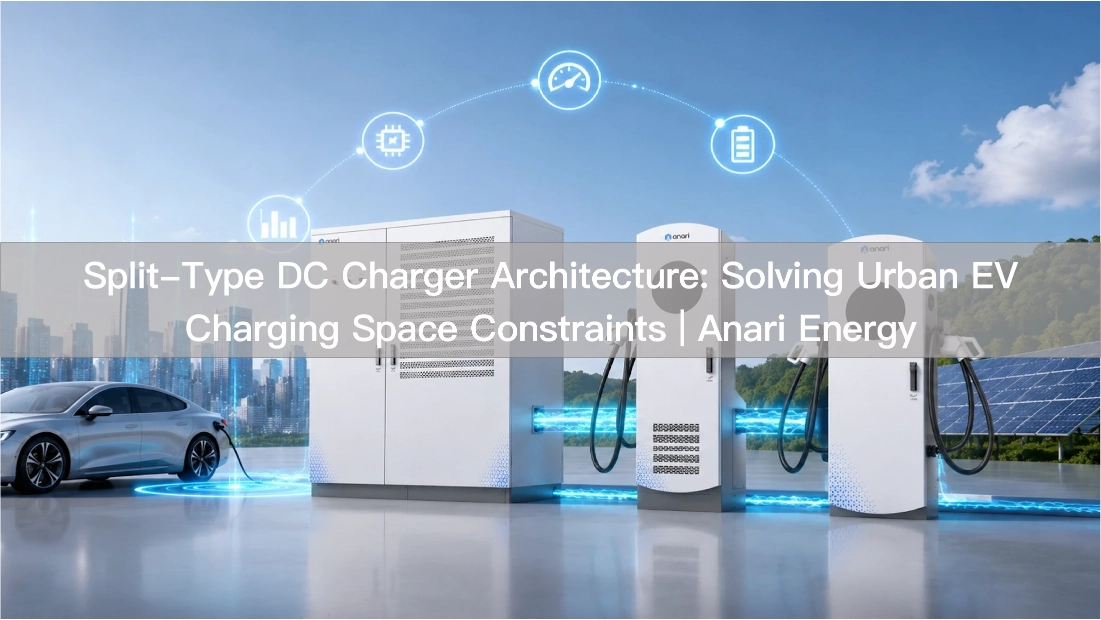
Split-type does one thing differently: it separates the power from the plug. Sounds small. Changes everything about where you can build.
1. Put the heavy stuff out of the way
The power conversion — the part that hums, needs thick cable, pulls high voltage — goes somewhere else. Basement. Utility closet. Up to 30 meters from the cars. Doesn’t matter. Just not in the parking stall.
What’s left at the curb is small. Slim cabinet. No transformer noise. One dispenser per space instead of a fridge-sized box taking up room.
That’s the whole idea behind Fora. Hide the power cabinet where the building can handle it. Leave the dispensers where drivers need them.
2. Three places this actually changes the answer
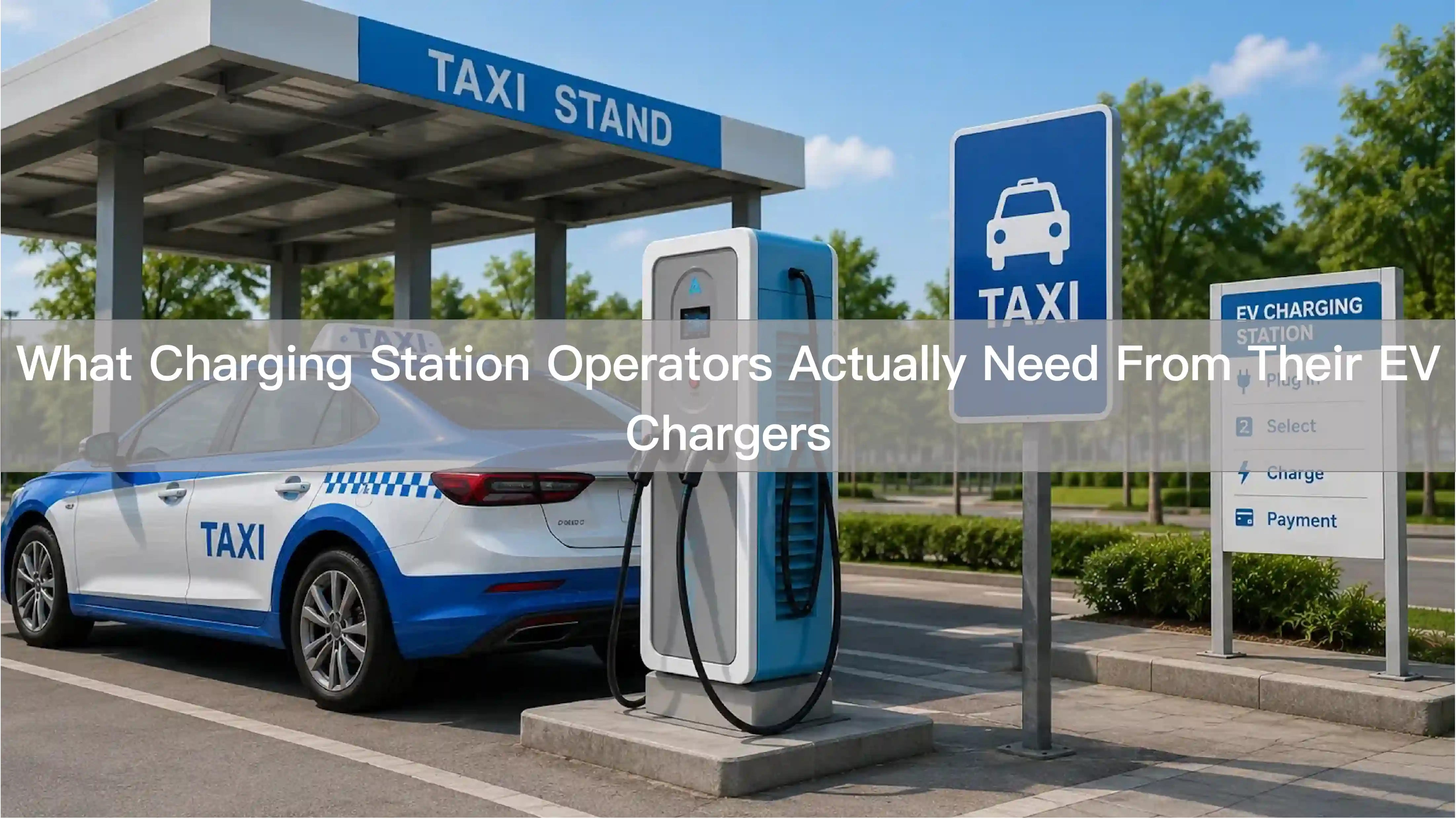
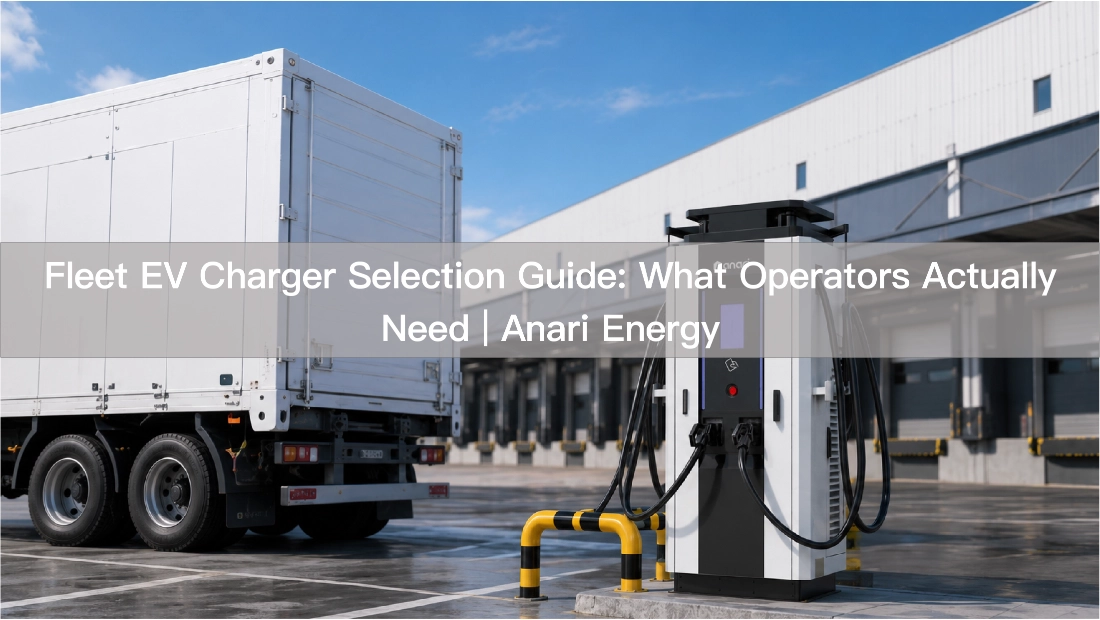
Fleet yards running all night. Taxi queues and delivery depots. Multiple vehicles on the same clock. Fora lets you connect more dispensers to one power source instead of trenching new cable for every unit. Add chargers when you add trucks. Don’t redo the electrical room.
Shopping centers and office towers. Nobody wants a charging station to be the focal point of the parking garage. Slim dispensers, power hidden elsewhere. The system moves energy between vehicles instead of every charger fighting for its own fixed share of building capacity.
Apartment buildings where someone already said it couldn’t be done. Tight garages. Old switchgear. Limited everything. Split-type makes a surprising number of those “no” sites into “actually, yeah.”
3. It handles what’s next
360kW to 960kW, depending on the configuration. That means 800V vehicles charge at full speed. Not whatever the older gear could manage.
And the power cabinet has headroom. When the next generation of vehicles wants more, you’re not swapping the whole thing out. Same foundation as our Pales Series, just designed around the one constraint that defines urban charging: there’s never enough room.
4. Short version
We separated the power conversion from the plug. So you can put charging where it goes, not just where the electrical room happens to sit.